



Seattle’s Downtown Office Vacancy Hits Record 34.7% as Tech Firms Adapt to Hybrid Work
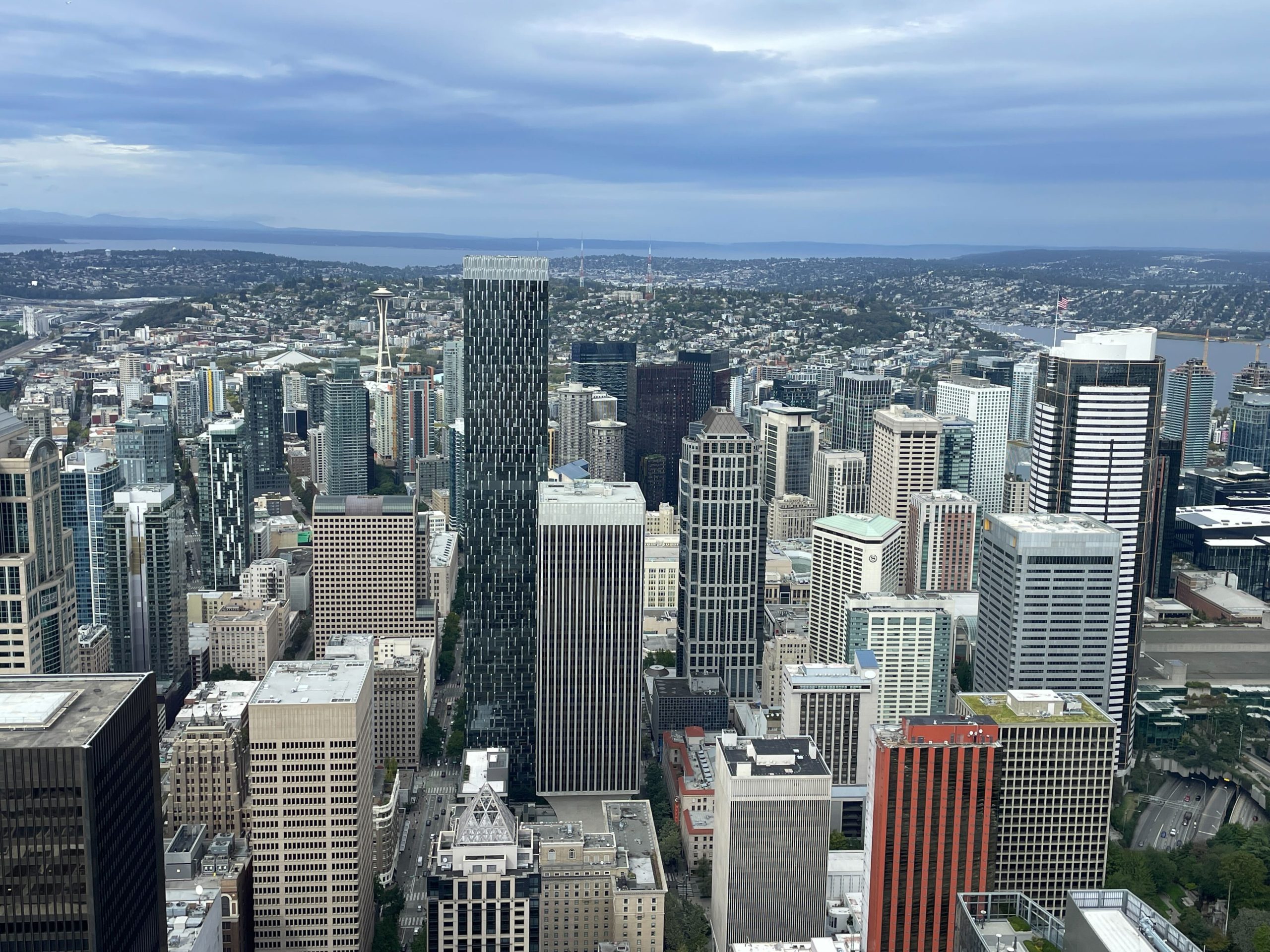
Seattle’s downtown office market closed out 2025 with troubling statistics that tell a story of urban adaptation in the post-pandemic era. Vacancy rates climbed to an unprecedented 34.7% in the fourth quarter, according to commercial real estate firm CBRE. This represents a two percentage point increase from the previous year and, more alarmingly, a fivefold jump from pre-pandemic levels. The numbers reflect the continuing fallout from pandemic-era workplace transformations that have fundamentally altered how companies—particularly in the tech sector—view their physical office needs. The final quarter of 2025 saw downtown Seattle lose nearly 258,000 square feet of occupied office space, primarily due to what industry experts call “rightsizing,” as companies reassess their spatial requirements in a world where hybrid work has become standard practice rather than exception.
Despite these concerning trends, tech companies continue to demonstrate faith in Seattle’s downtown core, albeit with recalibrated expectations. Impinj, a local success story, renewed and expanded its presence to over 73,000 square feet at 400 Fairview, signaling its commitment to maintaining a significant physical presence. Similarly, DAT Solutions, which recently acquired Seattle startup Outgo, and Docker have both taken substantial sublease spaces at the Maritime Building along Seattle’s revitalized waterfront. These moves highlight a nuanced reality: while many companies are reducing their overall footprints, strategic downtown locations remain valuable for team collaboration, client meetings, and maintaining corporate culture. However, these positive developments haven’t been enough to offset the broader market contraction, as Seattle recorded the slowest rent growth among major American markets over the past year, according to CoStar’s November report.
The story across Lake Washington on the Eastside presents a notably different narrative, offering early signs of stabilization that contrast with downtown Seattle’s struggles. Microsoft’s new leases in Redmond and Amazon’s ongoing expansion in downtown Bellevue have provided crucial anchors for the Eastside market. Both tech giants have implemented return-to-office policies, creating ripple effects throughout the regional market. Their physical expansion signals confidence in the future of office work, albeit in a modified form that balances remote flexibility with in-person collaboration. This corporate commitment has helped sustain property values and attract additional tenants to the Eastside, even as downtown Seattle properties continue to see higher vacancy rates and downward pressure on rents.
The Eastside’s comparative resilience extends beyond just Microsoft and Amazon. A diverse array of technology companies have either signed new leases or expanded their existing Eastside footprints in recent years. This impressive roster includes AI powerhouse OpenAI, social media company Snap, defense technology firm Anduril, e-commerce platform Shopify, data giant Snowflake, and retail behemoths Walmart and Chewy. According to a new report from Broderick Group, a growing number of companies entering the Seattle market for the first time are selecting the Eastside over downtown Seattle. These businesses are drawn to Bellevue’s modern office inventory, business-friendly regulatory environment, and access to the region’s skilled technology workforce—factors that appear to be outweighing the traditional urban advantages of downtown Seattle.
The contrasting fortunes of Seattle’s downtown and the Eastside reflect broader trends reshaping urban centers nationwide as companies reconsider their real estate strategies. The pandemic accelerated existing workplace transformations, with many businesses discovering that remote and hybrid work models can maintain or even enhance productivity while reducing real estate costs. In tech-heavy markets like Seattle, where employees often express preferences for flexible work arrangements, this transition has been particularly pronounced. Companies are responding by reimagining office space as collaboration hubs rather than daily work locations for all employees. This fundamental shift explains why even as the regional economy remains relatively strong, office vacancy rates continue to climb. Properties designed for pre-pandemic work patterns now appear oversized and inefficient for organizations that may have 30-50% of their workforce remote on any given day.
Despite the Eastside’s relative bright spots, real estate experts caution against expectations of a rapid recovery in the broader Seattle office market. Downtown Bellevue’s vacancy rate stood at 25.4% at the end of 2025’s fourth quarter—significantly better than downtown Seattle but still alarmingly high by historical standards and representing a substantial increase from 16.8% a year earlier. Broderick Group’s analysis suggests that vacancy rates are unlikely to fall sharply in the near term, reflecting the structural rather than cyclical nature of these changes. As companies continue to refine their workplace strategies and as long-term leases come up for renewal, the market will likely see further adjustments. The Seattle region’s office market appears to be in the midst of a prolonged transition rather than a temporary downturn, requiring property owners, investors, and urban planners to reconsider fundamental assumptions about office work in America’s tech hubs. The coming years will reveal whether downtown Seattle can reinvent itself to match changing workplace needs or whether the Eastside’s more flexible development patterns will continue to capture a growing share of the region’s commercial activity.