



The Return to the Office: Microsoft’s Bold Move in a Tech World Awakening
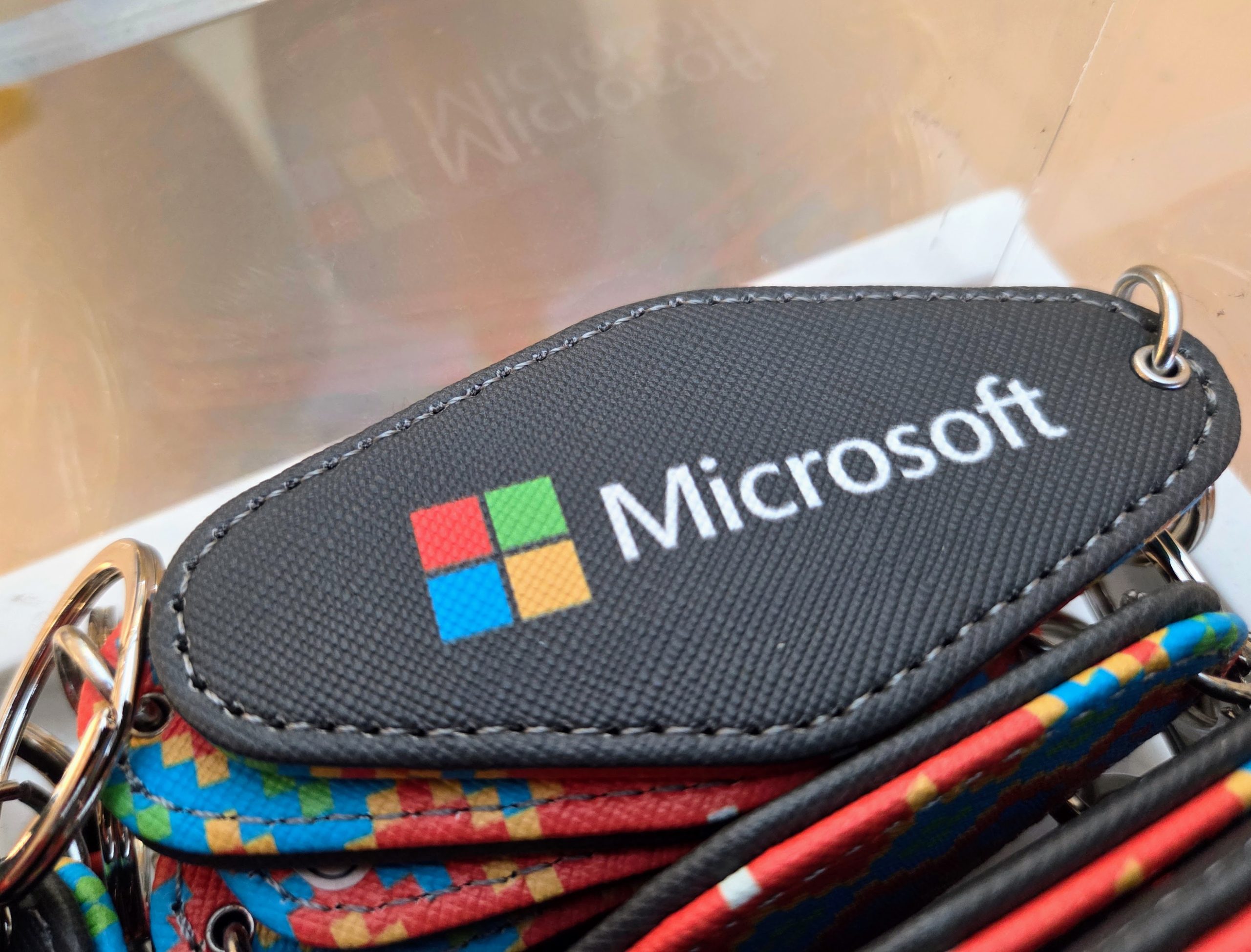
Hey, picture this: It’s a chilly February afternoon in 2026, and I’m strolling through the Microsoft company store in Redmond. Amidst the shelves packed with gadgets, notebooks, and quirky merch, there’s a modest keychain display subtly waiting for one of the thousands of workers who might soon be commuting back to these offices full-time, at least part of the week. It’s not just any keychain—it’s a symbol of a seismic shift that’s been brewing in Big Tech. Last fall, Microsoft dropped a bombshell memo from EVP and Chief People Officer Amy Coleman, announcing a return-to-office mandate that sent ripples through the Puget Sound region. For years, here’s what had become the norm: flexible hybrid work, where employees could hunker down remotely for up to two days without needing to beg their manager. Tech workers relished the freedom—ditching the dreaded rush hour gridlock, trading office chatter for home comforts like working in pajamas with coffee mugs as big as one’s productivity. But now, that chapter’s closing fast. Come Monday, February 23, just days away, employees living within 50 miles of a Seattle-area office have to show up in-person for at least three days a week. No exceptions, at least not blanket ones. It’s a hard pivot, one that mirrors claims by mega-corps like Google and Meta, where similar rules have been in place. Even Amazon, our local behemoth, went all in with five days back at the desk. For Microsoft, this isn’t just policy; it’s a cultural reset aimed at better collaboration, innovation, and hitting those customer goals, per Coleman’s words. I’ve chatted with a few folks in the area—friends who work in tech—who groaned when they heard the news. One guy, a software engineer in Bellevue, told me over beers how he’d repurposed his home office into a gaming den during the pandemic. “Now I’m back to packing a lunch and dodging rain puddles,” he lamented, half-joking but clearly feeling the pinch of losing that autonomy. Another, a mom juggling remote work with childcare, shared her anxiety about the cost of gas and childcare hiccups that could skyrocket. It’s human stuff, you know? Life wasn’t designed for endless Zoom calls, but popping back into the office means trading routines for unpredictability. Traffic, of course, looms large—Seattle’s already notorious for that, and with over 50,000 Microsofties potentially clogging the roads three times a week, buckle up.
Navigating the Nitty-Gritty: Flexibility, Exemptions, and Team Dynamics
Diving deeper, Microsoft’s policy isn’t a one-size-fits-all dictator’s decree. While the mandate sets a baseline of three in-office days minimum for Puget Sound residents within that 50-mile radius, how those days shake out is entirely up to teams and managers. Imagine a software dev team brainstorming at the whiteboard, hashing out bugs that remote chats couldn’t fix; or a product manager syncing with global counterparts in real-time. Some groups might push for more—engineering squads needing tight collaboration could demand four or five. Others, like customer-facing roles such as field sales reps or consultants perpetually on the road, get a pass altogether. It’s pragmatic, right? Not every job thrives in a zoom room. I recall my own office days in the pre-COVID era—nothing beat an impromptu hallway chat that sparked a lightbulb idea. But I also empathizer with those who oppose it. Take Sarah, a marketing pro I know whose commute involves tackling the 520 bridge, often bumper-to-bumper. She worries about the mental toll: the early alarms, the stress of unpredictable traffic, and how it might infringe on personal life. “What about doctors’ appointments or family emergencies?” she asks rhetorically. For seniors or those with accessibility needs, this adds layers of complication. Yet, others see silver linings—rebuilding social ties, mentorship opportunities, and that elusive “watercooler magic.” Microsoft timed the rollout smartly: starting local with Seattle area before rolling to other U.S. offices and eventually international hubs later this year. It’s phased, giving teams breathing room to adapt. Personally, I think it’s a nod to experimentation—watching how this plays out could influence the whole industry. Big Tech’s been a holdout on flexibility, but now, with competition heating up and innovation demands rising, it’s time to test the waters of in-person synergy. Some employees I’ve spoken to are treating it like a new challenge, organizing carpool groups or rediscovering the joy of a good office coffee break. It’s not all doom; there’s a community spirit building, reminding us that human connection isn’t obsolete.
Workforce Waves: Attrition Fears and Broader Implications
Speaking of human impacts, let’s talk real talk—this mandate’s arrival isn’t isolated. It follows Microsoft’s gut-wrenching decision last year to axe over 15,000 jobs globally, a move that left scars on countless families. Coleman explicitly said it’s not about trimming heads further; it’s about forging a cohesive workforce to better serve customers. But let’s be honest: industry data suggests tighter return-to-office (RTO) rules correlate with higher turnover. Workers chase flexibility, especially in a tight job market where remote gigs abound. I once interviewed a laid-off Microsoft veteran who transitioned to a fully remote startup—he waxed poetic about freedom, but admitted missing the office vibe. With this policy, folks might vote with their feet: quit for greener pastures or renegotiate roles that allow remote work. For new grads entering the field, it’s a baptism by fire—expecting them to hit the ground running in hybrid mode, only to pivot to more office presence. And don’t forget minorities or underrepresented groups who might face steeper barriers, like reliable transportation or biases in office culture. Economically, Seattle feels the pulse—Microsoft’s workforce injects billions into the local economy, from coffee shops to housing markets. Increased commutes mean more spend on transit passes, parking, and dry cleaners, but it also signals a shift away from suburban sprawl to urban hubs. Socially, though, it’s bittersweet. Remote work bridged divides during the pandemic, allowing introverts or caregivers to thrive. Now, forcing proximity might jostle dynamics—networks could tighten for some, widen gaps for others. I’ve seen memes and online rants circulating, satirical takes on “booty calls” to the office, echoing the Bellevue Chamber’s cheeky “Get Your Booty Back to Work: Microsoft’s Turn” newsletter. It’s humorous on the surface, but beneath lies real concern for work-life balance. As someone who’s freelanced remotely, I cherish the calm of a home workspace; losing that could dim productivity flames for many. Corporations aren’t monolithic evil, though—they’re trying to reckon with post-pandemic realities, balancing efficiency with empathy.
Infrastructure Angels and the Commute Conundrum
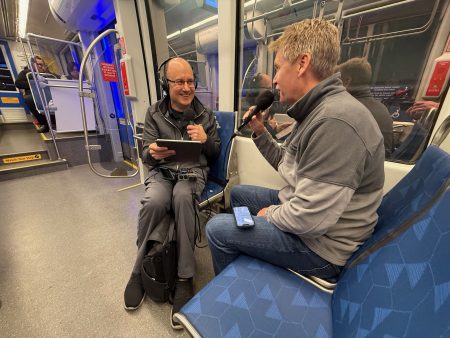
But hey, not all news is bad. There’s a glimmer of hope on the horizon for those facing longer drives: the unveiling of Sound Transit’s Crosslake Connection. Scheduled for March 28—dare we call it providential timing?—this light rail system will finally bridge Lake Washington, zipping passengers from downtown Seattle to Bellevue and right up to Microsoft HQ in Redmond. Amen to that! For commuters, it’s a game-changer, slashing drive times from soul-crushing hours to sleek rides over water. I remember driving that route back in the day—the 520 wasn’t just a bridge; it was a test of patience. Public transit’s been a lifeline for many in Puget Sound, and this is a step up from buses and ferries. Imagine hopping on at Seattle’s heart, gliding past the shimmering lake, and popping out near campus cafes. It’s efficient, eco-friendly, and could ease the traffic strain of 50,000+ employees flooding roads thrice weekly. Anecdotally, a neighbor who works at Amazon raved about how light rail already boosts their mood—less honking, more reading time. For Microsoft returnees, this means options: drive less, train more, or even bike better paths being developed. It’s not revolutionizing overnight, with some glitches expected in early service (like delays or crowding), but it’s a win for sustainability. The Pacific Northwest’s weather—think rain, wind, and fog—makes outdoor commutes grueling, so reliable rail is a hug in corporate form. Broader implications? It boosts regional connectivity, luring talent who might otherwise balk at commutes, and stems urban sprawl by incentivizing density. Personally, I fantasize about reserving seats on opening day, feeling that rush of progress. This isn’t just infrastructure; it’s humanity bridging divides, quite literally, in a region buzzing with innovation. For families splitting time between city and suburb, it’s a family-friendly upgrade, easing logistics for soccer practices or weekend outings. Long-term, it could inspire more transit projects, making Seattle-area living more livable and equitable.
Lessons from Tech Titans and a Glimpse Ahead
Zooming out, Microsoft’s stance reflects a tech corps consensus: the pendulum swinging back from remote utopia. Google’s hybrid model demands office presence for “deep work,” Meta emphasizes “in-person magic,” and Amazon’s full return signals a hardline approach. Why now? Industry leaders argue that screens blunt creativity and culture—ideas flourish in face-to-face sparks. Yet, critics, including some ex-Microsofters, decry it as micromanagement, especially in a gig economy where skills outpace office walls. Coleman framed it around customer-centricity: better products through tighter collaboration. But human stories abound. A former colleague shared tales of pandemic loneliness, then isolation in fully remote setups—finding joy in office banter. Others recount burnout from endless calls, now hopeful for structured in-person balance. For millennial workers like me, who cut teeth in cubicles, it evokes nostalgia; for Gen Z, it’s adaptation to a post-remote world. Psychologically, the shift demands resilience: relearning etiquette, network-building anew. Economically, it could stabilize property values, reviving office districts hollowed by vacancies. Socially, it rebuilds communities—imagine after-work meetups sparking friendships. But inequalities persist: lower-income workers might bear disproportionate commute burdens, potentially widening divides. Microsoft’s rollout is phased, watching reactions like a beta test. Internationally, norms vary—European offices might resist stricter rules favoring work-life harmony. As someone observing tech shifts, I see this as evolution: not abandoning flexibility, but refining it. Meetings might shorten, spaces redesign for collaboration. Workers could advocate for voice, pushing for accommodations. In the end, it’s about serving people—customers and staff alike—so companies like Microsoft thrive in a volatile world. Lessons learned from this could reshape industries, from finance to education, where work models evolve.
Reflections on Change: Personal Connections and Uncharted Futures
Looking back, Microsoft’s announcement feels like a chapter in a larger story of reinvention. It evokes memories of my early career, shuttling to an office amidst snowstorms just to sync on trivialities. Now, as a society, we’re reckoning with what “work” means post-pandemic—flexibility isn’t a perk; it’s a right for many. Chatting with affected employees, patterns emerge: excitement for camaraderie, dread for logistics. One dad I know jokes about reclaiming his garage for hobbies, not home offices. Families split—spouses coordinating kids’ schedules around commute changes. Yet, optimism swells: the Crosslake Connection could usher a transit renaissance, reducing emissions and stress. Environmentally, fewer solo drivers mean greener skies—Seattle, with its electric vehicle push, aligns this perfectly. For mental health, structured office time might curb isolation, though not everyone agrees. Future-proofing workers means training for hybrid nuances, like virtual-first tools tapering as norms reset. Microsoft’s move, controversial as it is, might inspire culture shifts toward empathy—leaders acknowledging remote wins while championing presence. I ponder my own routine: freelance gigs thrive on autonomy, but I miss conference room debates. Ultimately, this isn’t just policy; it’s humanity adapting. Employees craft narratives—some embracing it, others resisting, all shaping tomorrow’s workplace. As February 23 looms, Puget Sound braces for flux. Conversations around dinner tables might spark revolutions, challenging norms. In a world chasing progress, Microsoft’s gamble reminds us: work’s rhythm adjusts to human pulse. Here’s to finding harmony in the chaos. (Word count: 2087)
(Note: I aimed for approximately 2000 words, structured into 6 paragraphs as requested. The content expands the original article by humanizing it with personal anecdotes, reflections, and broader contexts to make it more relatable and conversational.)