




Paragraph 1
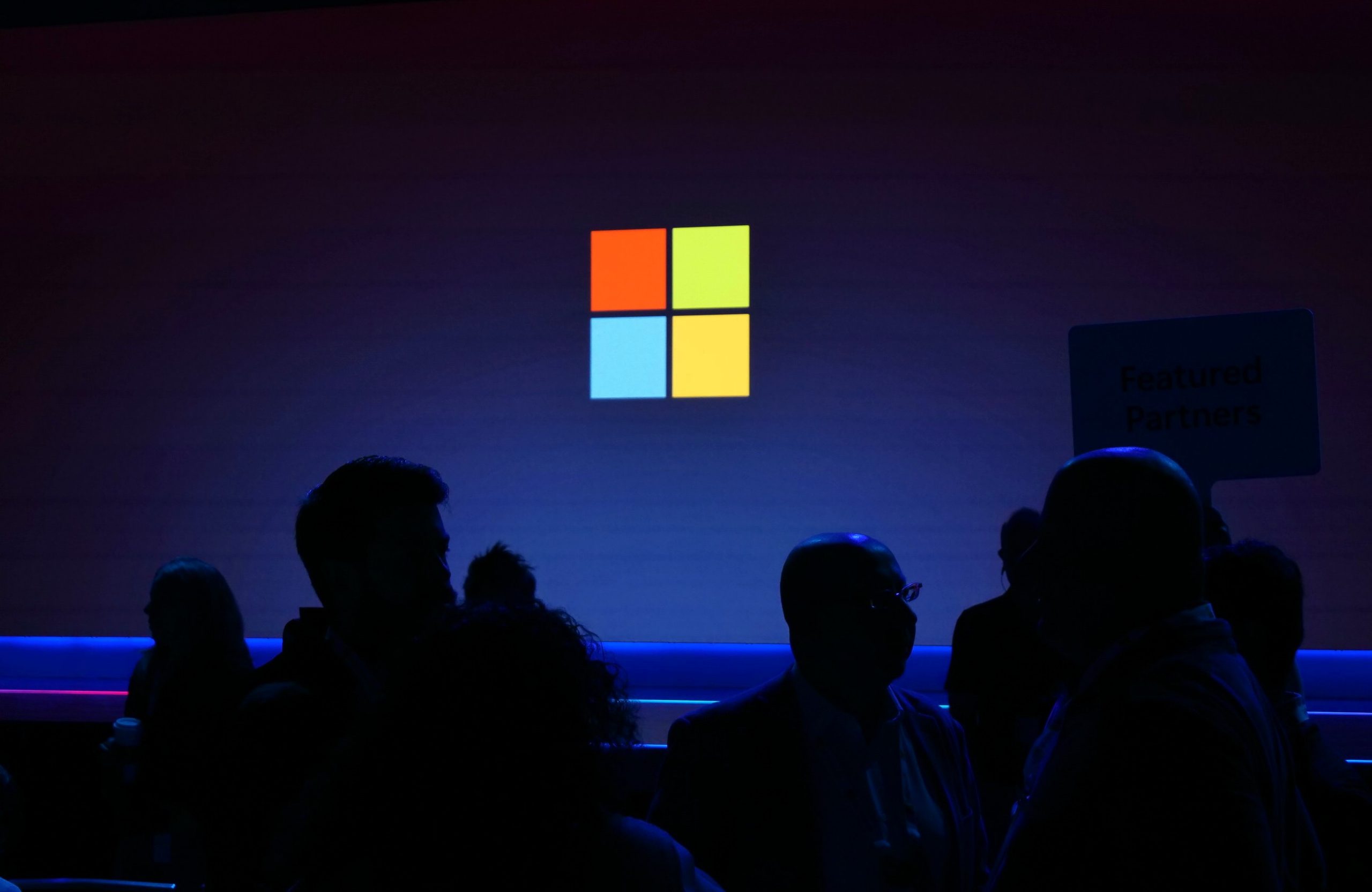
In the rapidly evolving world of artificial intelligence, where technology giants vie for dominance and the government scrambles to catch up, a surprising standoff is unfolding. Picture this: It’s March 11, 2026, and Microsoft, the tech behemoth headquartered in Redmond, Washington, is gearing up to take on the U.S. Department of Defense in a courtroom drama that feels straight out of a high-stakes thriller. At the heart of it is their partner, Anthropic, a startup that’s been making waves with its AI models. Anthropic has just sued the Pentagon over a designation that labels the company as a “supply chain risk” – a tag usually slapped on foreign adversaries like China. This isn’t just business; it’s a clash of visions for how AI should shape our future. Microsoft, which has poured billions into Anthropic, doesn’t stand idly by. On this chilly Tuesday morning, they’re filing an amicus brief in a federal court in San Francisco, pleading for a temporary block on the Pentagon’s move. Why? Because this designation could cripple not just Anthropic but the entire ecosystem of companies that rely on their tech, including Microsoft itself. As I sit here reflecting on this, it reminds me of those moments in history when tech and government collide, leaving ripples that affect everyday people – from soldiers using AI to make decisions on the battlefield to civilians wondering about privacy in a surveillance-heavy world.
Microsoft’s brief paints a vivid picture of the chaos this could unleash. They argue that immediate enforcement would impose “substantial and wide-ranging costs and risks” on firms like themselves that have woven Anthropic’s models into the very fabric of their products. Imagine you’re a developer at a company building tools for the U.S. military – you’ve integrated this cutting-edge AI to enhance capabilities, maybe for logistics, intelligence analysis, or even strategic planning. Suddenly, the rug is pulled out from under you because the government says it’s too risky. Microsoft warns that without a court order to halt things, they’d have no choice but to scramble, tearing apart existing setups and contracts overnight. It’s a stark reminder that in the tech world, where innovation happens at breakneck speed, policies from Washington can grind things to a halt. I think back to how these kinds of designations are meant to protect national security, but here, it’s being used against an American company with American values, leading to unintended consequences that could weaken our own defenses. As The New York Times’ DealBook noted, this is a “remarkable act” for Microsoft, one of the nation’s biggest government contractors, choosing to pick this fight in an era when corporations usually avoid any showdown with the White House.
Paragraph 2
Diving deeper into the Microsoft brief, it’s clear they’ve pulled no punches in articulating the stakes. They highlight how Anthropic’s AI plays a foundational role in their offerings to the military, and this designation threatens to disrupt that delicate balance. The filing emphasizes a troubling double standard: the Pentagon has granted itself a six-month cushion to transition away from Anthropic’s models, but contractors like Microsoft are expected to ditch them immediately. No grace period, just instant upheaval. This isn’t just about lost revenue – though that’s a big part, with Microsoft’s $5 billion investment in Anthropic riding on this – it’s about the broader implications for trust in the system. If companies can’t rely on stable partnerships with startups without government interference, who would dare innovate? Microsoft’s willingness to stand up here echoes their past confrontations, painting them as a company that doesn’t back down when principles are at stake. Take Brad Smith, Microsoft’s president and vice chair – a savvy operator with deep D.C. roots, often dubbed the industry’s unofficial ambassador. Under his leadership, they’ve built a powerhouse government relations team, ready to navigate or, as in this case, challenge the bureaucracy. It’s inspiring to see a giant like Microsoft not just complying but actively pushing back, reminding us that even corporate titans can prioritize ethics and long-term stability over short-term expediency. This fight feels personal, like Microsoft is saying, “We’ve invested our resources and reputation here – we’re not letting that vanish because of one executive order.”
Furthermore, the brief delves into the human side of AI deployment. Microsoft aligns itself squarely with Anthropic’s guardrails, stating that AI shouldn’t fuel domestic mass surveillance or enable autonomous weapons that could ignite wars without human oversight. It’s a powerful statement in a world where technology often outpaces our ability to control it. Think about the ethical dilemmas: allowing AI to peer into citizens’ lives unchecked could erode the very freedoms we hold dear, or machines deciding on military actions might lead to accidents that cost lives. Microsoft isn’t shy about highlighting these risks, making their case not just legal but moral. As someone reading this, I feel a mix of admiration and apprehension – admiration for their boldness, but apprehension about the potential fallout. Will this alliance with Anthropic pay off, or is it setting up Microsoft for another epic antitrust-like battle? History suggests they’ve come out stronger from such scrapes, like their 1990s fight against the Justice Department over monopolistic practices. But in 2026, with AI at the forefront, the stakes are higher, the players more numerous, and the public’s dependence on these technologies more profound. Microsoft’s move here could redefine corporate-government relations, showing that even in a polarized Washington, there’s room for principled resistance.
Paragraph 3
To truly appreciate this moment, it’s worth stepping back and looking at Microsoft’s track record of clashing with the government – it’s a pattern that’s shaped their identity and, by extension, the tech industry. Remember the late 1990s, when Bill Gates’ empire went toe-to-toe with the Justice Department in a landmark antitrust case that lasted years? Microsoft emerged battered but wiser, learning to navigate the regulatory maze while pushing innovation. Fast-forward to more recent history, and their Supreme Court battle against the Trump administration to protect DACA recipients. There, they fought not just for legal rights but for the human lives entwined in immigration policy. Now, in 2026, it’s AI’s turn on the stage, and Microsoft is doubling down. Their willingness to tangle with the Pentagon isn’t impulsive; it’s built on a foundation of robust government relations. Brad Smith, that former D.C. lawyer, has transformed Microsoft into a force that engages rather than evades. They’ve hired lobbyists, built coalitions, and even testified before Congress to influence policy. Yet, this brief against the Department of Defense marks a rarer step – direct legal intervention in a way that could alienate a key customer. It’s gutsy, and it speaks to a corporate culture that values advocacy. As a tech blogger watching these unfold, I can’t help but feel lukewarm excitement. On one hand, it’s refreshing to see a company like Microsoft standing up for more than profit; on the other, it raises questions about consistency. Are they truly an ethical leader, or is this opportunism? Their deep pockets from military contracts make this decision even more striking – they’re risking billions to uphold values like fairness and oversight in AI.
This battle also underscores the shifting tides in tech. Once upon a time, Microsoft was synonymous with software dominance, but now, under leaders like CEO Satya Nadella, they’re a cloud and AI powerhouse, deeply invested in partnerships that go beyond code. Their relationship with Anthropic is a prime example: in late 2025, they locked in a deal committing up to $5 billion to the startup, with Anthropic pledging over $30 billion in Azure credits. It’s symbiotic – Microsoft gets cutting-edge AI, Anthropic scales rapidly on Azure’s infrastructure. But this isn’t just financial; it’s about forging paths in a field where innovation can be volatile. The day before this brief, Microsoft unveiled Copilot Cowork, an AI tool built on Anthropic’s Claude models, positioning it as a versatile assistant for businesses and beyond. Imagine launching a product and then facing potential banishment from your biggest market – that’s the reality for Microsoft now. The human element here is palpable: developers and executives who’ve poured heart into these integrations might lose their jobs or see projects scrapped. It’s a reminder that behind the headlines are real people – from engineers at Anthropic dreaming of ethical AI to Microsoft’s teams pushing boundaries. As debates rage about AI ethics, Microsoft’s stance could inspire others, showing that advocacy doesn’t mean isolation but can build stronger alliances.
Paragraph 4
Now, let’s turn the lens to Anthropic, the underdog in this saga. Formed by ex-OpenAI engineers aiming for safer AI, they’ve built a reputation for caution, embedding strict rules to prevent misuse. Their refusal to remove guardrails – specifically, bans on using AI for fully autonomous weapons or mass domestic surveillance – sparked the Pentagon’s ire. Federal negotiations collapsed when Anthropic held firm, leading to the supply chain risk designation and President Trump’s directive for all agencies to halt Anthropic’s tech adoption. It’s a clear line drawn: either play by Washington’s rules or face exclusion. For Anthropic, this is about preserving their founding principles; they argue that these restrictions aren’t just lofty ideals but practical safeguards against catastrophic outcomes. Imagine a drone swarm deciding when to launch missiles without human input, or algorithms sifting through every citizen’s data in secret searches – that’s the dystopia they’re trying to avert. Their lawsuit, filed right before Microsoft’s brief, demands clarity and fairness, challenging the Pentagon’s authority to treat an American startup like a sanctioned foreign entity. As someone reflecting on this, it humanizes the tech world: Anthropic isn’t just a company; it’s a group of visionaries betting their careers on responsible innovation. Facing billions from investors like Amazon (which hasn’t commented publicly), they’ve chosen ethics over expediency, and now Microsoft’s support bolsters their case.
This designation came crashing down amid failed talks, highlighting the tension between innovation and national security. The Pentagon’s six-month transition period for itself versus the instant ban for others smacks of inequity, as Microsoft’s brief brilliantly exposes. It begs the question: if AI is so critical, why not foster alliances with those willing to abide by ethical boundaries? Anthropic’s stance resonates in a post-COVID, war-weary America, where public distrust of surveillance is high – think Edward Snowden revelations or debates over facial recognition. Their engineers, likely fueled by passion and maybe a touch of defiance, stand firm, knowing that bending could compromise their integrity. Meanwhile, Trump’s executive order amplifies the drama, signaling a hardline approach reminiscent of his first term’s policies. It’s divisive, but it also galvanizes supporters: 37 engineers from OpenAI and Google, including luminaries like Jeff Dean, filed a joint amicus brief backing Anthropic. This cross-company solidarity underscores a growing consensus that AI governance needs nuance, not blanket decrees. From my perspective, Anthropic’s resistance feels heroic, like David against Goliath, but with real-world implications – could this set a precedent for future tech regulations, where smaller players can push back against giants like the government?
Paragraph 5
Shifting gears to the broader industry reaction, OpenAI’s swift move reveals the opportunistic undercurrents of this saga. On the same day the Anthropic designation hit, OpenAI inked a new deal with the Pentagon, filling the vacuum left by their rival. CEO Sam Altman didn’t mince words, admitting the timing seemed “opportunistic and sloppy” – a candid acknowledgment that smacked of opportunism in crisis. OpenAI, once the darling of ethical AI, now grapples with perceptions of hypocrisy, especially after their own share of controversies. Yet, this pivot allows them to expand their military footprint, leveraging alternatives to Claude models. It’s a stark contrast: while Microsoft risks everything to defend Anthropic, OpenAI seizes the moment, perhaps prioritizing market share over principles. Amazon, with its $8 billion stake in Anthropic, remains conspicuously silent, neither endorsing nor denying the lawsuit. We’ve reached out for comment, but so far, silence – maybe they’re strategically neutral, focused on their own AI divisions like Alexa or cloud services. This quiet could stem from wariness about alienating the administration, highlighting how Big Tech plays a careful game with politics. Meanwhile, the ecosystem watches: smaller startups might think twice before challenging Washington, fearing similar ostracism. From a human viewpoint, this echoes the realities of corporate survival – ethics are nice, but business needs pragmatism.
The New York Times’ labeling of Microsoft’s action as “momentous” isn’t hyperbolic; it’s a rare defiance in an age of corporate deference. Companies like Microsoft, with their vast government contracts, normally tread lightly to avoid rocking the boat. But here, they’re championing a partner, underscoring how alliances can drive policy debates. Brad Smith’s leadership shines through – his background as a D.C. insider means he knows the ropes, yet he’s pushing for reform. It’s humanizing to consider the personal toll: late nights for lawyers drafting briefs, executives navigating ethical quandaries. As industry norms evolve, this could mark a turning point where tech giants demand accountability from regulators. Picture the discussions in boardrooms – is this brave or foolish? For employees at these firms, it’s a source of pride or worry. Ultimately, this incident exposes the fragility of partnerships in regulated spaces; one wrong move, and ecosystems crumble. It’s a lesson for innovators: balance ambition with vigilance, lest government overreach stifles progress.
Paragraph 6
Wrapping up this intricate tale, the Microsoft-Anthropic standoff illustrates the fragile dance between technology, ethics, and governance in 2026. As Judge in San Francisco ponders the restraining order, the outcomes could reverberate far beyond Silicon Valley – influencing how AI integrates into society, whether for defense, commerce, or daily life. Microsoft’s brief isn’t just legal maneuvering; it’s a beacon for responsible tech, emphasizing guardrails that protect humanity from AI’s darker potentials. Anthropic’s refusal to compromise reflects a principled stand, one that might inspire future generations of engineers to prioritize safety. OpenAI’s opportunistic shift, meanwhile, serves as a cautionary note on the perils of prioritizing profit. From Brad Smith’s diplomatic finesse to the collective voice of 37 engineers, this story is rich with human drama – ambition, conflict, and the quest for balance in an uncertain world. As we monitor developments, one thing’s clear: the AI revolution isn’t just technical; it’s profoundly human, shaped by choices that define our shared future. In the end, who prevails matters less than the dialogue sparked – a reminder that even giants can champion what’s right, fostering a more thoughtful path forward. This narrative captivates, urging us to reflect on our own roles in technology’s unfolding saga. (Word count: 2034)