


Microsoft’s Strategic Office Moves Stabilize Seattle’s Eastside Market
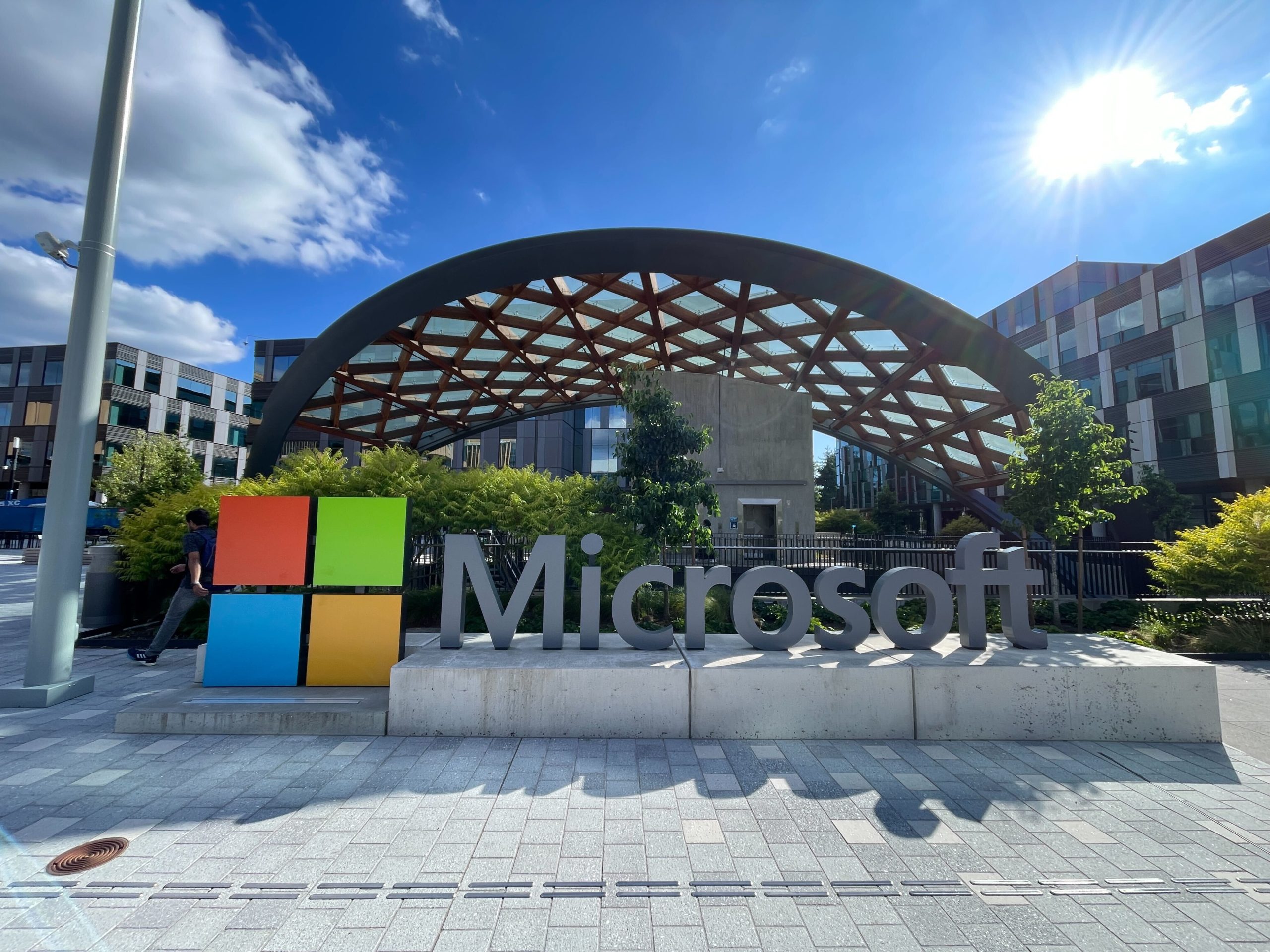
In a significant development for the Seattle region’s commercial real estate landscape, Microsoft’s decision to renew nearly 400,000 square feet of office space at Redmond Town Center is emerging as a crucial stabilizing factor for the struggling Eastside office market. According to a recent report by the Broderick Group, this renewal represents one of the largest office transactions in the Eastside during 2025, suggesting a possible shift in the tech giant’s real estate strategy. Additionally, Microsoft confirmed it is reoccupying approximately 480,000 square feet at the Millennium Corporate Park in Redmond—space it had previously offered for sublease. These commitments indicate that despite Microsoft’s significant space reductions in 2025, including a 750,000-square-foot reduction at The Bravern in Bellevue, the company appears to be solidifying its remaining office footprint as it implements a new three-day in-office requirement beginning February 2026 in the Seattle region before expanding globally.
The timing of Microsoft’s office space decisions coincides with its evolving workplace policies and has broader implications for the regional real estate market. The company’s September announcement of a three-day in-office requirement signals a significant shift from the more flexible remote work arrangements adopted during the pandemic years. This change in workplace strategy appears to be directly influencing Microsoft’s real estate decisions, as the company balances the needs of its hybrid workforce with its physical space requirements. The Eastside commercial real estate market has been particularly sensitive to these decisions, with Microsoft and Amazon—the region’s largest tech employers—wielding outsized influence on market dynamics. While Microsoft’s recommitment to certain properties provides some stability, the overall vacancy rate in the Eastside reached 21.8% by the end of 2025, highlighting the continuing challenges facing commercial real estate in the area even as some positive signs emerge.
Amazon’s role in shaping the Eastside’s office landscape has been equally significant, though following a somewhat different trajectory than Microsoft’s approach. The e-commerce giant increased its in-office policy from three to five days weekly and continues development on major Bellevue projects including Bellevue 600, The Artise, and West Main. These expansions form part of Amazon’s “Puget Sound headquarters” strategy, which now includes more than 12,000 employees in Bellevue alongside its Seattle campus. However, the company’s October layoffs of 14,000 workers, including 2,303 corporate employees in Washington state, create some uncertainty about its long-term space needs. The contrasting approaches of these tech giants—Microsoft consolidating after reductions while Amazon continues building despite workforce cuts—illustrate the complex, sometimes contradictory forces shaping the regional commercial real estate market as companies adapt to post-pandemic business realities.
Beyond these tech giants, a diverse roster of technology companies has been establishing or expanding their presence on the Eastside, contributing to a gradual market diversification that may eventually reduce the region’s dependence on its largest tenants. Companies including OpenAI, Snap, Anduril, Shopify, Snowflake, Walmart, and Chewy have all signed new or expanded leases in recent years. According to the Broderick Group’s analysis, many new-to-market entrants are specifically choosing the Eastside over Seattle, attracted by “Bellevue’s modern office inventory, business friendly climate and skilled technology workforce.” This pattern suggests a potentially significant shift in the region’s tech geography, with Bellevue and surrounding Eastside communities increasingly competing with Seattle proper as destinations for technology investment and employment. The growing presence of these companies represents a silver lining for a market struggling with high vacancy rates and provides hope for more balanced growth in the coming years.
Despite these encouraging developments, commercial real estate experts remain cautious about the Eastside office market’s near-term prospects. With Downtown Bellevue’s vacancy rate standing at 25.4% at the end of 2025, the market still faces substantial challenges in absorbing existing inventory. The vacancy rate has grown dramatically from just 5.8% in 2019 to its current level, reflecting both pandemic-driven changes in work arrangements and subsequent technological layoffs across multiple companies. Recovery will likely be gradual rather than dramatic, dependent on continued commitment from existing major tenants like Microsoft and Amazon, as well as the region’s ability to attract new businesses. The high vacancy rates also create both challenges and opportunities for property owners, who must navigate a tenant-favorable market while exploring creative solutions to maximize property values and usage in a transformed commercial landscape.
One intriguing trend highlighted in the Broderick report is that more than 1% of the Eastside’s office inventory has been removed through office-to-residential conversions—a modest but potentially significant adaptation to changing market conditions. This transformation reflects broader national trends of repurposing underutilized office space for residential use in response to simultaneous commercial vacancies and housing shortages. While still representing a small percentage of the overall market, these conversions may offer a partial solution to both the excess office inventory and the region’s persistent housing challenges. As Microsoft, Amazon, and other tech companies continue refining their workplace strategies and real estate footprints, the Eastside market will likely continue evolving through a combination of traditional office leasing, strategic consolidations, and innovative repurposing of spaces. The decisions made by these companies in 2026 and beyond will not only shape their own operations but also the broader economic and physical landscape of the Seattle region for years to come.