



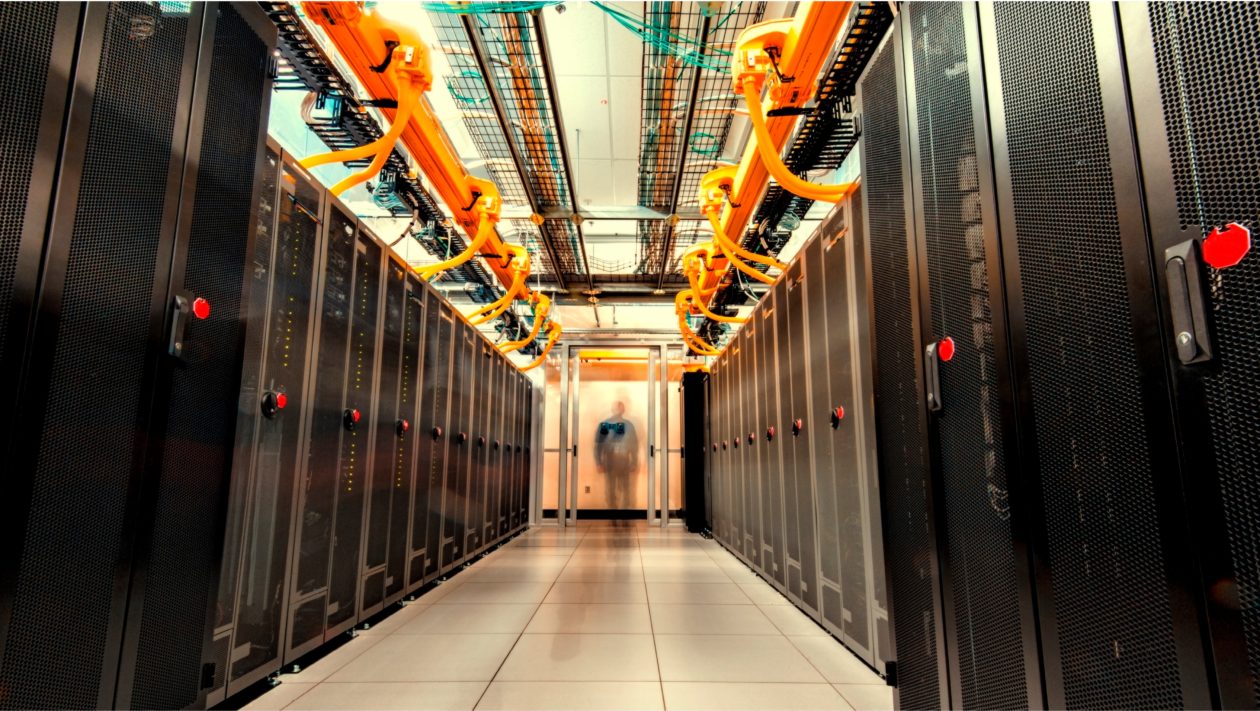
In the heart of Washington’s tech landscape, where the roar of servers echoes the pulse of the AI revolution, a pivotal debate is unfolding. Picture the scene: gleaming Microsoft Azure data centers sprawling across the Evergreen State, powering innovations that could reshape our world—from chatbots to life-saving diagnostics. But this tech boom isn’t without its shadows. On a Friday evening in late February 2026, Microsoft’s senior director of Washington state government affairs, Lauren McDonald, stepped into the spotlight at a Senate Committee on Ways & Means hearing. With characteristic poise, she voiced her company’s firm opposition to House Bill 2515, a piece of legislation designed to curb the environmental and financial toll of these mammoth facilities. McDonald didn’t mince words, labeling the bill “uniquely anti-competitive” and urging lawmakers to rethink its core elements. “We respectfully urge the committee not to advance the bill without significant changes,” she declared, her tone underscoring the high stakes for a company that calls Washington home. Behind her words lies a growing tension between innovation’s promise and the real-world burdens—skyrocketing energy costs, strained water supplies, and communities grappling with the fallout of unchecked expansion. Microsoft, with about 30 data centers dotting the state, is at the epicenter, investing up to $140 billion globally this year alone in infrastructure. It’s a reminder that in our connected age, the digital world’s demands are straining the physical one, forcing a reckoning we can’t ignore.
HB 2515 isn’t just a policy proposal; it’s a call to balance the scales in a sector transforming overnight. Passed by the House and now inching toward a full Senate vote, the bill mandates that utilities and data center operators forge agreements to shield everyday ratepayers from spiraling electricity bills triggered by AI’s insatiable hunger for power. It demands transparency, requiring annual reports on water usage, energy consumption, refrigerants, and air pollution, topped by in-depth sustainability assessments every three years. Then there’s the forward-thinking requirement: new or expanding facilities after July 2026 must certify their energy sources, aiming for 80% clean power by 2030 and full clean energy by 2045. To top it off, data center companies must collaborate with regulators on forecasting energy loads, and free carbon credits for compliance would be capped. Yet, even as the bill evolves through amendments, not all elements survive scrutiny—one debated provision, fortunately not in the final House version, would force facilities to dial back power during emergencies, potentially disrupting critical services like emergency medical records or first-responder tech. Proponents, like Rep. Beth Doglio, D-Olympia, paint this as essential guardrails for a rapidly expanding industry, ensuring data centers are “done right in this state” amid 126 existing facilities and 16 new projects on the horizon, from Walla Walla to Vantage. It’s a human story of foresight: elected officials, communities, and even tribal leaders nationwide are voicing anxieties over AI’s voracious appetite, with President Trump and others pushing for protections to keep costs in check. Without these rules, they argue, the AI dream could become a nightmare of affordability crises and environmental neglect.
McDonald’s testimony at the hearing vividly highlighted Microsoft’s specific gripes, humanizing the abstract debate through concrete concerns. She pointed to a proposed data center in Malaga, Washington—built back in 2023 but slated to open later this year—that might run afoul of the clean energy mandates, potentially derailing operations. It’s frustrating to imagine, after years of planning and investment, a facility held back by retroactive rules, echoing the real exasperation of engineers and planners who’ve poured heart and soul into these projects. Beyond the Malaga example, Microsoft emphasizes the bill’s barriers could stifle competition, disadvantaging agile innovators like themselves in a market where Amazon is pouring $200 billion into global capital expenditures, mostly for its cloud giant, Amazon Web Services. The Seattle Times revealed this month that both Microsoft and Amazon have been quietly lobbying behind the scenes to soften HB 2515, with Amazon currently neutral despite its Pacific Northwest focus on Oregon. Yet, in this chess game of policy and power, McDonald and her team aren’t just advocating for corporate interests—they stress the uncharted consequences, like disabling AI-driven tools that support essential services during crises. It’s a plea grounded in practicality: regulations should foster growth without kneecapping the very technologies powering our future, from AI assistants to climate modeling. Brad Smith, Microsoft’s president, encapsulated this in a community initiative last month, vowing to foot the electrical bills and champion local taxes, bridging corporate might with community needs.
As the AI wave swells, driven by chatbots and machine learning, tech firms are pouring billions into data centers, but not without resistance from those fearing the economic tides. Utilities watch nervously as these facilities guzzle electricity, communities fret over water-intensive cooling systems, and taxpayers brace for rate hikes. In Washington, home to giants like Microsoft and Sabey Data Centers (with eight facilities), the bill’s winnowing could herald statewide standards for siting new builds, preventing the chaos of unregulated sprawl. Critics from the tech sector, labor groups, and municipalities praise the job creation—taxes from these hubs fund schools, roads, and services—but warn that heavy-handed rules might quench the fire of innovation. Microsoft and Amazon, in their whispered negotiations, represent the billion-dollar colossi that have revitalized regions with high-paying roles in engineering and operations. Yet, beneath the dollars is a humanitarian layer: workers whose livelihoods hang in the balance, families reliant on stable utilities, and innovators striving for AI’s ethical use, like medical breakthroughs or educational tools. President Trump’s push for ratepayer safeguards mirrors this unease, urging tech to shoulder the load without burdening the public. It’s a delicate dance—how do we accelerate progress while safeguarding the planet and wallets?
The NW Energy Coalition’s Zach Baker, testifying before lawmakers, captured the proponents’ urgency: “The game is changing on data centers before our very eyes,” he said, framing HB 2515 as “common sense guardrails” to protect affordability, grid reliability, and the environment. In an era where AI’s computational demands dwarf past eras, these measures aren’t overreach but necessity, ensuring rolling blackouts don’t dim lives and excessive water draws don’t parch communities. Imagine Washington in 2045, every data center fully clean-energy powered, seamlessly integrated with utilities for smart forecasting—no more guesswork on power needs. Doglio’s vision of “doing data centers right” resonates with tribal leaders and locals who’ve seen emissions cloud skies and costs climb unchecked. Support trickles from labor unions reveling in well-paid gigs, contrasted by tech defenders like Microsoft who argue the bill’s foes could cripple U.S. competitiveness. Still, the path forward demands compromise: amendments craft a bill that’s tough yet fair, perhaps exempting existing builds like Malaga to honor sunk investments while pushing newcomers toward sustainability. Public sentiment, fueled by news and hearings, leans protective, humanizing the abstract into tangible fears of higher bills, water shortages, and grid fragility. In this crossroads, HB 2515 might just be the turning point, blending tech ambition with communal stewardship.
As the Senate deliberates amidst evolving language and potential flops, the bill’s fate hangs on threading the needle between progress and protection. Tech opposition looms large, with behind-the-scenes efforts by Microsoft and Amazon signaling a willingness to fight but also to negotiate. Proponents like Baker and Doglio envision a Washington where AI thrives responsibly, not at the expense of ratepayers or the planet. Elected officials grapple with voter voices echoing nationwide concerns, pushing for commitments that tech bears its burdens. In the end, HB 2515 could set a precedent, humanizing the colossal data centers into accountable contributors to society. Communities stand to gain through transparency and clean energy mandates, while innovators secure stable footing. As Lauren McDonald’s words echo, significant changes could bridge divides, ensuring Microsoft’s billions fuel a future where tech uplifts without overwhelming. This isn’t merely policy—it’s the story of balancing humanity’s digital dreams with the earth’s finite limits, one data center at a time.