






Paragraph 1
Picture this: It’s the spring of 2026, and the tech world is buzzing with excitement and a hint of apprehension as artificial intelligence continues to reshape our daily lives. Microsoft, the giant software behemoth led by the visionary Satya Nadella, has just shaken things up with a major reorganization of its AI initiatives, aiming to pivot from simple chatbot interactions to something far more ambitious—actionable AI agents that can handle tasks autonomously. At the heart of this shift is a strategic realignment designed to unify Microsoft’s consumer and commercial AI efforts. The man stepping up to spearhead this is Jacob Andreou, a seasoned executive plucked from Snap, where he spent eight transformative years climbing the ranks to senior vice president. Under this new structure, Andreou isn’t just overseeing Copilot anymore; he’s been elevated to executive vice president of the entire Copilot group, reporting straight to Nadella himself. This move reflects Microsoft’s recognition that AI isn’t just a feature—it’s the future of how we work, play, and innovate. Nadella, ever the optimist, framed it in an email to employees as a step toward creating “a truly integrated system, one that is simpler and more powerful for customers.” For someone like me, who remembers the early days of clunky chatbots that couldn’t even keep a conversation straight, this feels like AI finally growing up. It’s a bold acknowledgment that Microsoft, once a laggard in some tech races, is now gunning for the front lines, betting big on blending consumer whims with enterprise needs. As I reflect on this, I can’t help but think of how my own routines—scheduling meetings via Outlook or getting quick news summaries from Bing—might soon be seamlessly handled by these smarter AI companions. The reorganization isn’t just corporate jargon; it’s a promise of smoother, more intuitive tech that could liberate us from mundane tasks, making our lives richer and more productive. And yet, amid the hype, there’s a palpable tension: with AI capabilities soaring, questions about ethics, job displacement, and control loom large. Microsoft’s choices here signal they’re not content with playing catch-up; they’re aiming to lead the charge into an era where AI agents don’t just talk—they act, learn, and adapt in ways that feel almost human.
Paragraph 2
Delving deeper, this reorganization is Microsoft playing catch-up in the AI race, where competitors like OpenAI have set the pace with tools like ChatGPT. Statistics paint a clear picture: Microsoft’s Copilot, integrated into platforms like Microsoft 365, boasts about 15 million paying users, which might sound impressive until you realize that’s just 3% of the overall user base for their enterprise suite. Globally, Copilot’s market share hovers in the low single digits for AI chatbot usage, per estimates from Statcounter, trailing OpenAI’s dominance. It’s a humbling reminder that even tech titans like Microsoft can struggle to capture the zeitgeist. I recall trying Copilot myself the first time—fumbling with prompts to draft emails or summarize documents—and while it worked, it often felt more like a helpful assistant than a revolutionary leap. Now, the company is betting on unification: merging consumer-focused AI experiments with commercial applications to create a cohesive ecosystem. This isn’t just about slapping a fancy interface on existing tools; it’s about reimagining how AI integrates into everything from your personal smartphone to large-scale business operations. Nadella’s email highlighted the goal of evolving “from a collection of great products to a truly integrated system,” which, for me as someone who juggles multiple devices and apps daily, feels like a dream coming true. Imagine an AI that knows your preferences across all Microsoft services—Drafting LinkedIn posts that align with your personal brand, or auto-scheduling Zoom calls without the hassle. But this push also raises concerns: privacy fears intensify as AI sifts through more personal data, and there’s the risk of creating echo chambers where algorithms reinforce biases. Microsoft’s efforts feel genuine, though—born from the realization that chatbots alone won’t suffice in a world craving action. As I ponder this, I think of my grandparents, who might never fully embrace such tech, versus my kids, who see it as second nature. This shift could bridge generations, democratizing access to smart AI, but only if Microsoft nails the balance between innovation and responsibility. It’s not just business; it’s about crafting tools that empower us to live better lives, without overwhelming us with complexity.
Paragraph 3
Let’s shine a spotlight on Jacob Andreou, the rising star suddenly at the helm of Microsoft’s AI unity. Joining the company last year after his stint at Snap, Andreou brought a wealth of experience from evolving Snapchat into a social media powerhouse that potrafi zrozumieć human whims and viral trends. As corporate vice president of product and growth at Microsoft AI, he’s already been tinkering with consumer Copilot features, making them more engaging and user-friendly. Now, with this promotion to executive vice president of the combined Copilot group, he’s entrusted with leading the overall design, product development, growth strategies, and engineering efforts. Reporting directly to Nadella, Andreou’s role is pivotal—essentially weaving together the threads of consumer delight and commercial utility into one seamless AI tapestry. I’ve often wondered what drives folks like him; perhaps it’s the thrill of seeing an idea explode from a prototype into a billion interactions. For instance, at Snap, he helped curate experiences that felt intuitive and fun, like those augmented reality filters that transformed mundane moments into memorable ones. Applying that magic to Microsoft’s AI means democratizing sophistication—ensuring that AI assistants feel accessible to everyone, not just tech-savvy elites. In conversations with friends, I’ve heard groans about AI being “too corporate” or impersonal, so Andreou’s background in consumer platforms could inject some personality and playfulness into it. Imagine Copilot suggesting a quirky dinner idea after scanning your email for stress levels or seamlessly switching between work modes and leisure prompts. Yet, with power comes scrutiny; Andreou will face pressures to scale this without sacrificing agility. There’s a human element here too—collaborating with diverse teams, perhaps mentoring young engineers who pour their soul into code, or navigating the high-stakes boardroom where every decision echoes across millions of users. As I reflect, Andreou embodies the kind of leader we need: someone who’s tasted both startup chaos and corporate scale, eager to push boundaries while keeping things grounded in real-world utility. This reorganization isn’t just about shuffling titles; it’s about entrusting a visionary with the keys to Microsoft’s AI future, promising innovations that could make technology feel less like a tool and more like an empathetic companion.
Paragraph 4
On the flip side, there’s Mustafa Suleyman, the enigmatic co-founder of DeepMind whose journey adds a layer of intrigue to this Microsoft saga. Suleyman jumped ship to Microsoft in 2024 as CEO of AI, bringing along much of his Inflection AI team after a bold acquisition that signaled Microsoft’s deep commitment to cutting-edge research. Under this new shakeup, while he continues reporting to Nadella, Suleyman’s focus is laser-sharp: shifting entirely to spearheading the company’s superintelligence and frontier AI models. It’s a deliberate narrowing of scope, solidified by the formation of a dedicated Superintelligence team back in November, now elevated as his primary gig. In his own words to the staff, Sul eyman expressed enthusiasm about fully committing to these efforts, pledging to deliver transformative models over the next five years that not only supercharge products but slash the costs of running AI at scale. For someone like Suleyman, with a resume that includes cracking some of AI’s toughest challenges at DeepMind—think breakthroughs in reinforcement learning and beyond—this role feels like destiny. I imagine the thrill of being at the forefront of superintelligence, where AI evolves beyond mimicry into true reasoning and autonomy. It reminds me of sci-fi tales I devoured as a kid, where machines solve global problems, yet Suleyman’s grounded approach suggests a pragmatic path: models that handle complex datasets without exorbitant compute costs, making AI accessible for enterprises and everyday applications alike. But this pivot isn’t without its shadows; superintelligence evokes ethical quandaries, like the risks of AGI running amok or amplifying inequalities. Suleyman’s history with DeepMind, under Google’s watchful eye, surely instilled in him a sense of responsibility, and now at Microsoft, he’s positioned to influence how these frontier models are deployed—perhaps ensuring human oversight in decisions that could reshape industries. As I muse on this, it’s empowering to think of Suleyman as a bridge-builder, translating abstract AI potentials into tangible benefits. His email hinted at reducing AI’s operational burdens, which could mean faster innovations for small businesses or revolutionary tools for healthcare. Yet, it’s a high-stakes game; one wrong move could tip the scales toward overreach. Ultimately, Suleyman’s dedication humanizes the tech titan: a former startup rebel now channeling energy into sustainable, impactful AI advancements that prioritize people over profits.
Paragraph 5
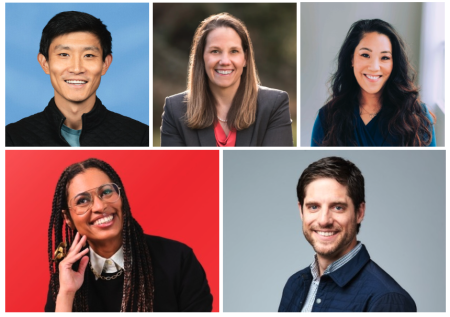
Fleshing out the broader picture, this reorganization isn’t isolated; it weaves into a larger narrative of leadership transitions at Microsoft, especially with Rajesh Jha, the stalwart executive vice president retiring after 35 illustrious years. To fill the void, a new Copilot Leadership Team has emerged, comprising Ryan Roslansky (CEO of LinkedIn), Perry Clarke (leader of Microsoft 365 core infrastructure), and Charles Lamanna (overseer of business and industry Copilot). Together with Andreou and Suleyman, they form a powerhouse quintet, each bringing specialized expertise to orchestrate the AI ecosystem. Roslansky, from LinkedIn, adds social savvy, perhaps infusing AI with networking intelligence; Clarke ensures the technological backbone holds strong; and Lamanna aligns commercial logic with innovative flair. These shifts started earlier this month, with Roslansky, Clarke, and Lamanna already reporting to Nadella as part of Jha’s succession plan. It’s a testament to Microsoft’s evolving guard, blending fresh perspectives with institutional wisdom. I find this ensemble approach heartening—like a symphony where each instrument’s role is crucial to the harmony. For Roslansky, leading Microsoft 365 apps and Copilot might mean crafting experiences that feel connected and insightful, drawing from LinkedIn’s global network of professionals. Imagine AI that not only drafts reports but also suggests collaborations based on your professional graph. Clarke’s infrastructure expertise ensures reliability, preventing those frustrating downtime moments that erode trust. Lamanna’s industry focus could tailor AI for sectors like finance or healthcare, adapting to regulatory landscapes. Humanizing this, it’s about diverse voices coming together: perhaps late-night brainstorming sessions where Roslansky shares user stories, or Clarke troubleshooting bugs with a cup of coffee. Yet, with great power comes potential clashes; conflicting visions could stall progress. But Nadella’s orchestration suggests a collaborative spirit, aimed at building not just products but ecosystems. As I reflect, this team mirrors the multiplicity of human endeavors—artists, engineers, marketers uniting for a common goal. It’s inspiring, reminding us that behind corporate overhauls are individuals striving to create tools that enhance human potential, making AI a partner in progress rather than a distant force.
Paragraph 6
Stepping back, what does this all mean for us as users and society at large? Nadella’s vision, articulated in his employee email, is aspirational: evolving from disparate AI products into an “integrated system” that’s intuitive and potent. It’s a rallying cry for simplification in a tech landscape often cluttered with over-complicated gadgets. For me, someone who’s navigated the gig economy and remote work, this promises AI agents that streamline chaos—booking flights, negotiating schedules, or even moderating online disputes with fairness. But beyond personal convenience, it’s about industry-wide impact: slashing AI running costs could democratize access, enabling startups to compete with giants. Suleyman’s five-year runway for frontier models hints at groundbreaking leaps, potentially revolutionizing fields like climate modeling or medical diagnostics. Yet, as we humanize this, the stakes feel personal. I’ve chatted with buddies about AI job fears, where automation might displace roles, urging a need for reskilling programs. Andreou’s consumer roots offer hope for inclusive design, ensuring AI understands cultural nuances and doesn’t marginalize voices. Ethical guardians must watch closely—for instance, data privacy and algorithmic bias demand oversight. Microsoft’s moves, though ambitious, come at a pivotal time when AI ethics frameworks lag. Reflecting on history, think of past tech revolutions; the printing press empowered masses but also sparked misinformation. Here, superintelligence could be the next big equalizer, fostering creativity and problem-solving. But success hinges on responsibility: transparent AI that learns from humans without judging or exploiting. In my mind’s eye, Suleyman and Andreou aren’t just executives; they’re custodians of a future where AI augments humanity. This reorganization isn’t just corporate news—it’s a chapter in our collective story, urging us to embrace AI as a tool for good, fostering trust and wonder over fear. Ultimately, as we stand on the brink, one thing’s clear: Microsoft is betting on AI that thinks, acts, and cares—human-like in its aspirations, if not yet in form. (Word count: 1998)