






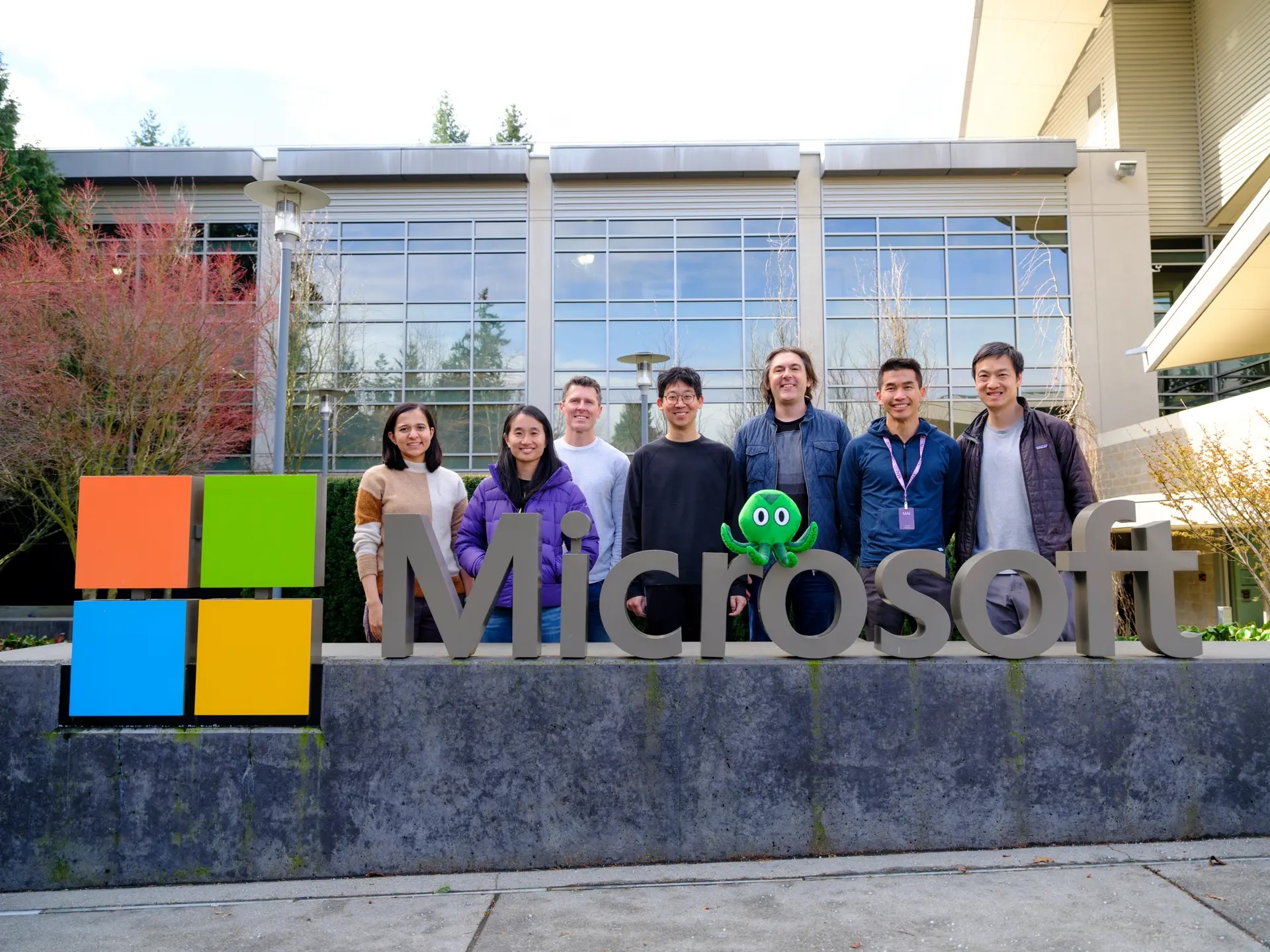
In the bustling heart of Silicon Valley, where innovation pulses like a digital bloodstream, a small startup called Cove has been quietly weaving its magic into the fabric of workplace collaboration. Founded with a vision to transform how humans and AI dance together in harmony, Cove’s team of dreamers recently made a heartwarming announcement: they were merging their talents with the tech giant Microsoft. It wasn’t just a business deal; it felt like a family reunion in the world of artificial intelligence. On a crisp Tuesday in March 2026, Cove’s co-founder and CEO, Stephen Chau, took to LinkedIn to share the news with a mix of nostalgia and excitement. Their software, which turns mundane chat-based interactions with AI agents into vibrant visual workspaces, was about to pass the torch. And as of April 1, just two weeks later, Cove’s product would gracefully bow out, making way for what Chau described as “an even bigger vision” under Microsoft’s roof. For many in the startup ecosystem, this signaled not an end, but a thrilling evolution—a testament to how AI isn’t just a tool, but a partner in reimagining work itself. Imagine chatting with an AI buddy in a simple text box; now picture that conversation exploding into a collaborative canvas where ideas sprout visually, complete with custom apps tailored to your needs. Cove made that possible, bridging the gap between solitary tech interactions and team-driven innovation. The terms of the deal remained shrouded in secrecy, as these acquisitions often do, but the human element shone through: a team of under 10 passionate individuals, many of whom had bonded over late-night coding sessions at Cove’s offices, was now poised to contribute to Microsoft’s sprawling AI empire. It was a story of ambition surpassing initial horizons, reminding us that in the tech world, sometimes the best journeys lead to grander destinations.
The founders of Cove weren’t random tech wizards pulled from obscurity; they were seasoned pros with roots in the industry’s best. Stephen Chau, the thoughtful CEO with a background in guiding products at Uber Eats, had been mulling over the AI collaboration conundrum for years. You can picture him, late at night in 2023, sketching out ideas on a napkin during a casual dinner with old colleagues Mike Chu and Andy Szybalski. All three had once navigated the labyrinthine world of Google Maps together, where their teamwork on real-world navigation tools fostered a deep appreciation for how technology could connect humans even closer. Launching Cove was their leap of faith—a gamble to democratize AI in workplaces. Chau’s announcement on LinkedIn wasn’t just corporate speak; it was personal. He reminisced about the scrappy beginnings, the triumphs of turning chats into visual magic, and how each late-hour bug fix fueled their belief that AI could be more than a gadget—it could be a friend in productivity. Mike and Andy, too, brought their own sparks: Mike’s knack for engineering intuitive interfaces and Andy’s vision for user-centric designs. They weren’t just co-founders; they were the hearth around which Cove’s innovations were kindled. In joining Microsoft, they carried that warmth forward, embodying the idea that great ideas often stem from relationships as much as raw talent. Their story resonates with anyone who’s ever dreamed up a startup in a garage or coffee shop, proving that even in Silicon Valley’s high-stakes arena, human connections fuel the breakthroughs.
At its core, Cove was about making AI feel less like a cold machine and more like a helpful sidekick in the office drama. The startup’s journey began with a $6 million seed round in 2024, led by the ever-shrewd investors at Sequoia Capital, who saw promise in a team that could turn single-threaded AI chats into sprawling, interactive workspaces. Picture this: instead of back-and-forth messaging with an AI agent, users could now visualize their conversations as flowing diagrams, shared canvases, or even custom apps built on the fly. It was like upgrading from texting your buddy to creating a shared digital whiteboard where everyone could doodle ideas in real time. This wasn’t just clever engineering; it was empathetic design, acknowledging that people weren’t just feeding commands to AI—they were cocreating futures. Cove’s platform evolved to let users whip up personalized AI applications, from project managers generating reports to designers prototyping with virtual assistants. With fewer than 10 employees toiling away, this lean operation epitomized David vs. Goliath creativity, stretching every dollar and hour to innovate. Their product resonated in a post-pandemic world hungry for hybrid collaboration tools, where remote teams craved the intimacy of face-to-face exchanges but via tech. Users loved how it humanized AI, making it approachable and engaging. Yet, despite these wins, being a tiny fish in a ocean of tech meant challenges like scaling amid giants. But Cove didn’t shy away; they iterated, learned, and grew, building a Community of early adopters who swore by the tool. This human-centric approach, blending empathy with edge, is what made Cove more than a startup—it was a movement for collaborative AI, one that Microsoft now inherits with open arms.
Microsoft’s embrace of Cove’s team is more than a strategic hire; it’s a bold stroke to supercharge its AI ambitions in an increasingly competitive landscape. The tech behemoth, with its vast resources and global reach, has been wrestling with how to make its Copilot assistant—an AI pal that helps with emails, schedules, and more—feel indispensable to everyday users and businesses alike. Cove’s expertise in visual workspaces and custom AI apps fits like a missing puzzle piece, promising to elevate Copilot into a more immersive ecosystem. Just last week, Microsoft unveiled Copilot Cowork, a clever companion that lurks in the background, automating tasks like document creation and bridging apps across the Microsoft 365 suite. Imagine Copilot Cowork as the office intern who not only fetches coffee but also drafts memos and organizes data seamlessly. Acquiring Cove accelerates this vision, blending their user-focused innovation with Microsoft’s infrastructure prowess. It’s a heart-to-heart merger where talent meets technology, potentially doubling down on AI adoption that’s lagged despite billions invested in infrastructure. For the Cove team, integrating into Microsoft’s fold means access to unparalleled tools and a broader platform to experiment—perhaps one day seeing their visual chat ideas embedded in Windows or Teams. This isn’t just corporate synergy; it’s a story of blending creative energies, where a startup’s nimble spirit infuses a giant’s body, fostering innovations that could redefine work for millions.
Beyond the headlines, this deal underscores the seismic shifts in the AI industry, where giants like Microsoft are doubling down to stay ahead in a race toward ever-smarter systems. Separately on that same Tuesday, Microsoft announced a major reorg within its Copilot group, unifying consumer and commercial AI efforts under the steady leadership of former Snap executive Jacob Andreou. Charismatic and data-driven, Andreou’s move signals a cohesive push to make AI accessible across all user types—from busy moms scheduling family calendars to CEOs steering boardrooms. Meanwhile, Microsoft AI leader Mustafa Suleyman, the visionary behind some of the company’s boldest AI bets, is narrowing his focus to superintelligence and frontier models—the bleeding-edge stuff like advanced neural networks that might one day mimic human reasoning. It’s a strategic partitioning of genius, ensuring that while day-to-day AI tools get polished, the moonshots keep pushing boundaries. This reorg, coupled with Cove’s acquisition, paints a picture of Microsoft as a well-oiled machine, balancing practicality with futuristic flair. For onlookers, it’s inspiring: how one company navigates the complexities of AI without losing its human touch, prioritizing user needs amid ethical debates on technology’s role in society. The AI landscape, once fragmented, is consolidating, with players like Microsoft not just collecting tools but weaving a tapestry of innovation that feels inclusive and responsive.
Looking ahead, the Cove-Microsoft union hints at a future where AI collaboration isn’t just efficient—it’s exhilaratingly human. What if coworking with AI feels like brainstorming with a trusted colleague, complete with visual joy and custom tweaks? Industries from healthcare to education could see ripples, as integrated tools help nurses visualize patient data collaboratively or teachers craft interactive lesson plans with AI. Yet, this merger also raises questions: How do we ensure AI amplifies human creativity without overshadowing it? Will small startups like the old Cove continue to thrive in a world dominated by behemoths, or will the pendulum swing back to personalized innovation? Stephen Chau’s words ring true—reimagining collaboration with AI is about pursuing bigger visions, ones that include everyone. For employees transitioning to Microsoft’s ecosystem, it might mean exciting new challenges, like fine-tuning Copilot for global audiences or exploring how visual AI can foster empathy in remote work. In the grand narrative of tech evolution, this is a chapter of optimism, proving that even amidst rapid change, the heart of innovation lies in human stories: men and women chasing dreams, sharing laughs over code, and now, together under a larger umbrella, shaping tomorrow’s workplace. As AI matures, it’s these human elements that will make the difference—turning tools into partners, and acquisitions into acts of unity. The journey continues, with Cove’s spirit at its core, reminding us that in the orchestra of technology, it’s the people who create the symphony.