






A Farewell to a Microsoft Veteran: The Story of Rajesh Jha
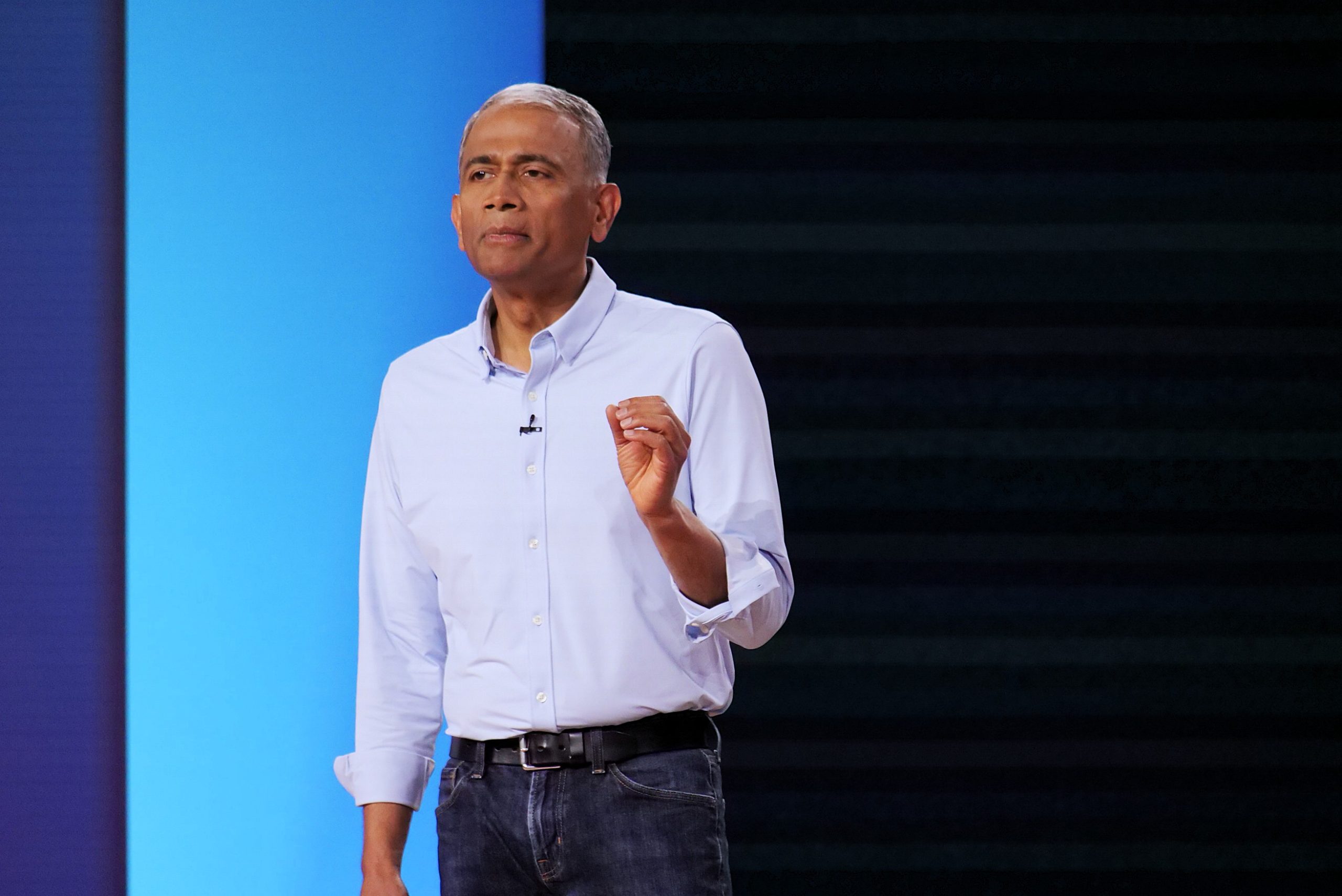
In the bustling world of tech giants, where innovations like Office 365 and Teams have reshaped how millions work every day, the announcement of Rajesh Jha’s retirement feels like closing a chapter on a living legend. Imagine, if you will, a man who started as a humble software engineer at Microsoft over three decades ago, in a time when floppy disks and dial-up internet defined the cutting edge. Now, at 60, Jha is stepping back from his role as executive vice president of the Experiences + Devices group, effective July 1, 2026, after more than 35 years spent building and guiding some of the company’s most beloved products. It’s not just a corporate memo; it’s a heartfelt farewell from CEO Satya Nadella, who in an internal email shared company-wide, hailed Jha as one of the “pantheon of leaders who have truly shaped this company.” Picture Nadella, known for his thoughtful leadership style, reflecting on how Jha’s operational discipline and strategic judgment have been a steady rock amidst the industry’s wild tides. This isn’t just about one man’s exit; it’s about acknowledging a career that mirrored Microsoft’s evolution from a software behemoth to an AI-driven powerhouse. Jha, ever the gracious servant leader, plans to linger in an advisory role, ensuring a smooth handover. Behind the scenes, this transition hints at a changing of the guard, where fresh faces bring new energy, but not without honoring the pioneers. It’s a moment that evokes a sense of nostalgia for many in Redmond’s halls, where Jha’s name is synonymous with resilience and innovation. Think back to the early 90s, when Jha began as a software design engineer—fresh-faced, perhaps a bit wide-eyed at the opportunity to join the likes of Bill Gates and Paul Allen. Over the years, he navigated the dot-com boom, the rise of personal computing, and the dawn of cloud computing, always with a focus on user experiences that felt intuitive and human. Nadella’s praise, calling Jha “a constant throughout my entire life at Microsoft,” underscores a bond forged in shared visions and late-night strategy sessions. As I reflect on this, it reminds me of how corporate America often overlooks the emotional side of such departures, but for Jha, this is more than a business move—it’s a personal milestone, a chance to reconnect with family and passions outside the office. Retiring isn’t an end, but a new beginning, where the legacy of products like Windows and Teams will continue under new stewards, while Jha enjoys a well-deserved rest. It’s stories like these that humanize the giants of tech, showing us that beneath the suits and stock prices, individual journeys fuel collective success.
The transition, meticulously planned, signals a strategic realignment under Nadella’s watchful eye, emphasizing continuity while paving the way for evolution. As part of this restructuring, four key executives will now report directly to the CEO, a move that tightens the chain of command and fosters more agile decision-making. First up is Perry Clarke, who oversees Microsoft 365 core infrastructure, ensuring the backbone of cloud services remains robust and secure—a role that feels critical in an era of remote work and data breaches. Then there’s Charles Lamanna, charged with business and industry Copilot, where AI integrations are becoming the lifeblood of productivity tools, turning complex tasks into seamless automations. Pavan Davuluri takes the helm for Windows and Devices, a nod to the enduring legacy of personal computing that Jha helped nurture. And rounding out the quartet is LinkedIn CEO Ryan Roslansky, bringing social networking’s pulse into the fold. This direct reporting line to Nadella isn’t arbitrary; it’s a way to streamline innovation, where issues can bubble up faster without layers of bureaucracy. Imagine the boardroom discussions where Nadella, with his background in AI and cloud, weaves these leaders into a cohesive tapestry focused on growth. For Jha, who has been prepping for this handoff with Nadella for months, it’s reassuring to know his creations are in capable hands. The human element shines through here—transitions like these aren’t cold chess moves; they’re about trust and legacy. Clarke, for instance, started in engineering roles and rose through the ranks, much like Jha did, symbolizing the meritocratic culture Microsoft prides itself on. Lamanna, passionate about AI’s potential, likely sees this as a chance to accelerate Copilot’s adoption across industries. And Davuluri, with his device expertise, could steer Windows toward a more integrated future with hardware. Roslansky, bridging professional networks and AI, adds a layer of connectivity that’s crucial in today’s hybrid work world. This reshuffle also frees up Nadella to focus on high-level strategy, like expanding Microsoft’s reach in generative AI, while ensuring the experiential products remain user-centric.
Adding to the excitement, several promotions within the team underscore Microsoft’s commitment to internal talent and fresh perspectives. Jeff Teper, the steady hand behind collaboration apps like SharePoint and Teams, is elevated to executive vice president—a promotion that not only rewards his expertise but also ties into the AI emphasis, as these tools evolve with intelligent features. Teper’s journey, from developer to leader, mirrors the adaptable spirit of the company, and his new role positions him to drive even deeper integrations across Office suites. Meanwhile, Sumit Chauhan and Kirk Koenigsbauer are stepping up to president-level roles, a testament to their contributions in building scalable, enterprise-focused solutions. Chauhan, with his roots in cloud infrastructure, might focus on enhancing Azure’s synergy with experiences, while Koenigsbauer’s data analytics background could bolster intelligent insights in business apps. These advancements aren’t just about titles; they’re about invigorating the team with motivated leaders who understand the pulse of users. Teper, for example, has been the voice behind many Teams features that kept teams connected during the pandemic, earning him a reputation for empathy and innovation. Promoting him evokes a sense of family pride, as if the company is saying, “We see your dedication and want you to lead more.” For Chauhan and Koenigsbauer, this is a career pinnacle influenced by their ability to navigate complex tech landscapes and deliver reliable products. It’s heartening to think about the personal stories behind these names—late nights debugging code, brainstorming sessions that led to breakthroughs, and the joy of seeing users adopt their creations. As Nadella reshapes for the AI era, these promotions ensure that the cultural DNA of innovation persists.
This wave of leadership changes doesn’t exist in isolation; it’s part of a broader narrative of transitions at Microsoft, reflecting the natural ebb and flow of long-tenured executives. Just a month prior, Xbox chief Phil Spencer announced his retirement after an impressive 38 years, a departure that sent ripples through the gaming community he helped revolutionize. Spencer’s exit, like Jha’s, was framed as a moment of gratitude, with tributes highlighting his passion for immersive experiences that turned Xbox into a cultural icon. Then there’s Charlie Bell, who shifted from his executive vice president role in security to an individual contributor, allowing him to delve deeper into strategic initiatives without the weight of daily operations. Bell’s decision speaks to a desire for focused impact, perhaps mentoring the next generation or advising on cybersecurity in an increasingly digital world. These exits, clustered as they are, paint a picture of a company in flux, honoring veterans while embracing renewal. For Jha, retiring alongside Spencer adds a layer of camaraderie—two titans of different domains, both leaving legacies that shaped Microsoft’s identity. It’s a reminder that long careers in tech aren’t just about staying the course; they’re about knowing when to pass the baton. Employees and fans alike feel a mix of melancholy and optimism, as if watching beloved mentors retire. Spencer’s gaming pedigree, for instance, evolved from console wars to inclusive platforms, touching lives far beyond the office. Bell’s security foresight protected against threats that could have undermined trust. And now Jha, with his focus on user experiences, leaves a footprint on how we interact with technology daily. These personal stories humanize the corporate clipboard of retirements, showing how individual passions built a collective powerhouse.
At the heart of these shifts is Nadella’s grand vision to restructure the company around critical themes like AI and Copilot, transforming Microsoft into an unparalleled entity in intelligent computing. Nadella, who championed the shift from devices to cloud and now AI, sees these leadership moves as building blocks for a more cohesive strategy. He envisions a future where Copilot isn’t just a feature but a ubiquitous assistant, enhancing everything from Office productivity to industry-specific solutions. This reprioritization means fewer silos and more cross-pollination of ideas, with direct reports ensuring alignment on AI initiatives. Nadella’s letters, like the one praising Jha, often weave in themes of empathy and long-term thinking, making the strategy feel relational rather than robotic. For instance, Clarke’s infrastructure work becomes the foundation for Lamanna’s Copilot integrations, creating a seamless user journey. Davuluri’s devices might one day predict user needs through AI, while Roslansky’s LinkedIn data feeds personalized learning experiences. It’s this interconnectedness that Nadella emphasizes, reducing overlap and boosting innovation. But beyond the charts and projections, this focus on AI reflects a human curiosity—Nadella’s own story of redemption after challenges, finding purpose in technology’s potential to empower. Employees share stories of how Copilot has already streamlined their workflows, from drafting emails to analyzing data, making the future feel tangible. Yet, Nadella’s approach also includes a nod to balance, acknowledging that AI must be ethical and inclusive to avoid pitfalls. Jha’s advisory role here is pivotal, offering wisdom on past transformations to guide this next chapter. In essence, this restructuring isn’t just about profits; it’s about creating a company that’s responsive, considerate, and forward-looking, where leaders like those promoted embody the spirit of innovation.
Reflecting on Jha’s remarkable journey from 1990 to 2026 evokes a sense of awe at how one person’s dedication can influence an industry. Starting as a software design engineer in a burgeoning tech haven, Jha quickly rose through pivotal roles, including leading Exchange and SharePoint, and orchestrating the launch of Office 365—a game-changer that revolutionized document management and collaboration. His ascent to join Nadella’s senior leadership team in 2016 marked a culmination of strategic acumen, where he oversaw the Experiences + Devices group, blending software with hardware in ways that felt almost intuitive. Think of the evolution: from desktop apps to cloud ecosystems, Jha navigated economic downturns, competitive pressures from Google and Apple, and the pandemic’s surge in digital reliance. Under his stewardship, Teams became the virtual water cooler for millions, Search refined into Bing’s AI-driven insights, and devices like Surface appealed to creators. But it’s the personal touch that stands out—colleagues recall Jha’s mentorship, fostering a culture of inclusivity where diverse voices shaped products. Nadella’s 2007 memoir-inspired turnaround, “Hit Refresh,” mirrors Jha’s own growth, from engineer to executive. As he prepares for July 1, Jha might ponder the family dinners missed, the friendships forged in all-nighters, and the pride in seeing ideas come to life. His legacy is in the everyday tools we take for granted, from a simple Word document to a Zoom call. Retiring offers him time for hobbies, perhaps traveling or delving into community work, while advising ensures his insights persist. This isn’t just about a career; it’s about a life dedicated to empowering others. In Microsoft’s vast narrative, Jha’s story is one of quiet strength, reminding us that behind global transformations are individuals with hearts and dreams. As the company bids farewell, it honors not just accomplishments but the human spirit that drove them. (Word count: 1987)