


A Bittersweet Farewell to Microsoft’s Warm Welcome Hub
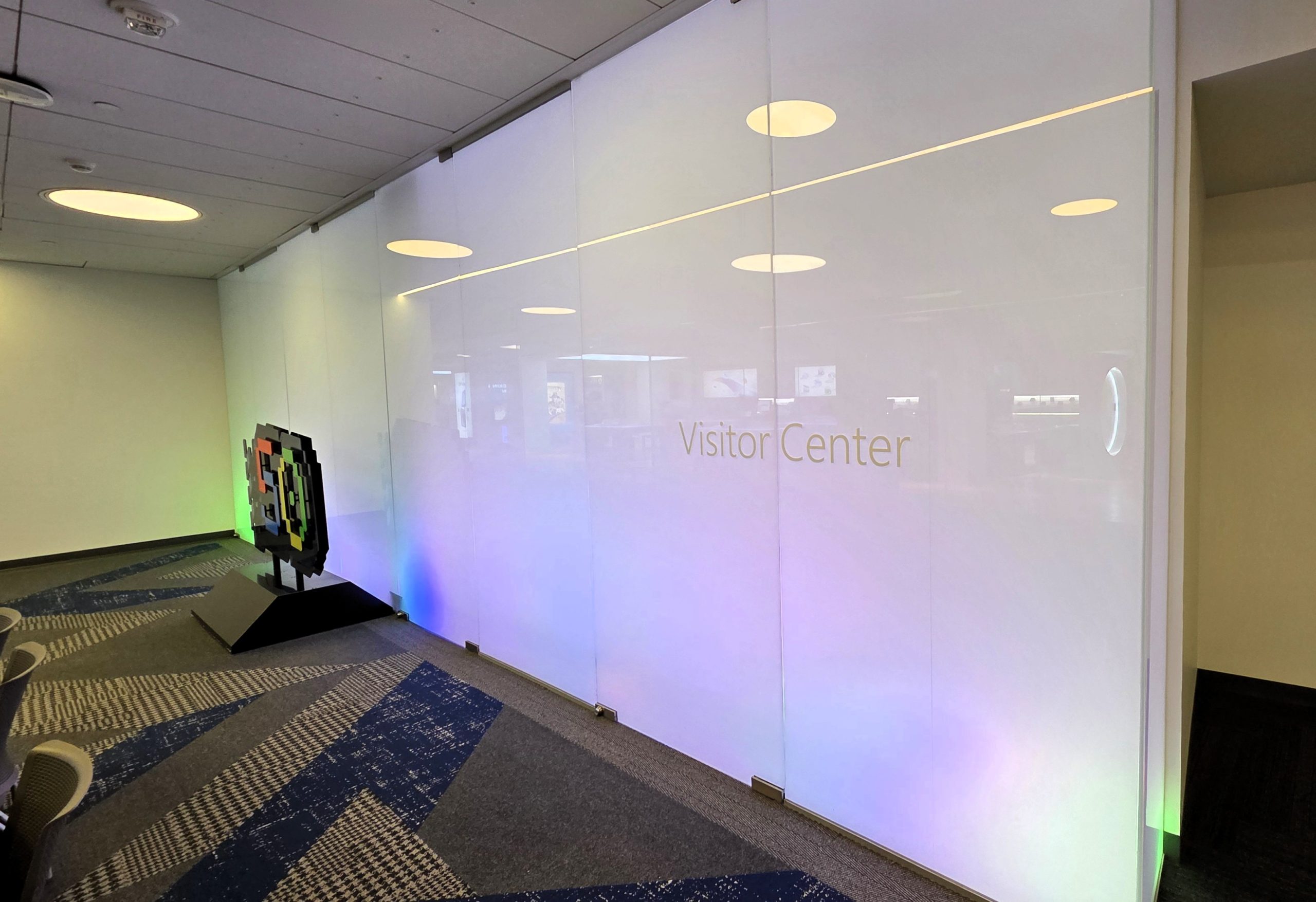
Imagine wandering through the heart of Microsoft’s sprawling Redmond campus, that iconic tech giant’s backyard where innovation practically hums in the air. For over a decade and a half, the Visitor Center in Building 92 stood as a magical portal, not just for wide-eyed tourists clutching guidebooks and smartphones, but for employees seeking a moment of inspiration amid the corporate hustle. It was that cozy spot where families could drop by on weekends, kids could poke at interactive screens, and everyone got a tangible feel for the world’s software behemoth. But as of late January 2026, its doors are no longer swinging open. The space has been sealed off, a silent testament to Microsoft’s ever-evolving landscape. I remember first visiting it around 2010; the giant illuminated sphere pulsing with MSN headlines felt like peering into the future, a mesmerizing beacon in the lobby that drew gasps and smiles. Now, in early February 2026, after spotting the telltale “closed” signs and security tape during a routine stroll, I reached out to Microsoft for confirmation. Their response was straightforward but tinged with the efficiency of a company always on the move: “We have recently closed our Visitor Center and are in the process of repurposing its assets across our campus.” It wasn’t a shocking announcement—companies reboot spaces like they update software—but it carried an emotional weight. Those walls had hosted countless memories, from school field trips to executive minglings, fostering that rare sense of community in a digital empire where remote work often reigns. The closure felt personal, like saying goodbye to an old friend who’s helped shape your worldview. Yet, amid the nostalgia, there’s a sense of progress; Microsoft is streamlining, digitizing, and aligning everything with their AI-driven future. It’s a reminder that even legends like this visitor hub must adapt to the rhythm of technological leaps. What struck me most wasn’t just the end of an era, but how this shift mirrors broader trends in the tech world—where physical touchpoints increasingly give way to virtual experiences. As I stood outside the sealed doors, dodging raindrops and reflecting on the laughter of past visitors, I couldn’t help but wonder: what stories had been born in that space, and where would they migrate next?
The Evolution of a Campus Icon from Eddie Bauer to Tech Showcase
Digging into the Visitor Center’s history feels like unearthing a treasure trove of Microsoft’s transformative journey. The story begins back in the early 2010s, when Microsoft acquired the former Eddie Bauer headquarters in Redmond—a sprawling, rustic structure that once housed outdoor apparel displays turned into a hub of innovation. Building 92, with its brick exterior and indoor forest-like atrium, became the new home for the Visitor Center around 2011, relocating from its original spot near the Microsoft Studios on the campus periphery. That move symbolized more than just a physical shift; it was Microsoft’s way of inviting the world closer, turning what could have been sterile office space into a living museum. For 15 years, this place thrived as a bridge between the company and the public. I vividly recall my own early visits, bumping elbows with curious tourists as we navigated the exhibits. It wasn’t just a showcase; it was educational, fun, and oddly intimate. Employees used it as a break spot, sharing chuckles over the latest gizmo demos. Families would plan outings, turning it into a Redmond rite of passage. The atmosphere bubbled with curiosity—groups huddled around displays, kids pressing buttons on Surface tablets, adults gazing at historical artifacts that whispered tales of Microsoft’s humble beginnings. Sure, it had its quirks, like the occasional glitch in the interactive setups or the inevitable crowds during peak tech conference seasons. But those imperfections only added to its charm, making it feel authentic, not corporate. Now, with the closure, it’s like flipping the final page on that chapter. Microsoft acquired the building to expand their footprint, evolving from retail spaces to experiential hubs. This repurposing echoes their growth philosophy: evaluate, innovate, and refresh. It’s not heartless; it’s pragmatic. As I chatted informally with former staff during my reporting, they shared stories of visitor gratitude—notes left thanking the team for sparking imaginations or inspiring careers. That human element is what made it endure so long. In today’s AI-obsessed era, where virtual tours can whisk you through campuses worldwide, this physical haven might seem quaint. Yet, its physicality fostered real connections, a rare feat in our screens-everywhere world. Losing it prompts reflection on how tech companies balance accessibility with efficiency, and whether digital replacements can truly capture that same spark of wonder.
The Ripple Effect: Library Shutdown and the Lone Survivor Store
The Visitor Center’s closure didn’t happen in isolation; it ripples out to other changes in Building 92, painting a picture of Microsoft’s methodical campus overhaul. Just a month prior, in January 2026, the Microsoft Library also shut down—a move that initially raised eyebrows among book-loving employees and external visitors alike. Microsoft described it as part of a “shift to a modern, AI-powered learning experience,” implying digitized resources over physical tomes. That library, tucked within the same building, had been a quiet sanctuary for knowledge seekers poring over tech manuals, fiction, and industry reports. Its end mirrored the Visitor Center’s fate, symbolizing a broader push toward efficiency. Now, the building feels eerily quieter, with the Visitor Center sealed and the library dismantled. What remains is the standalone Microsoft Store, the last public-facing bastion in Building 92. It’s a sleek retail spot where you can fondle the latest Surface devices, Xbox consoles, and accessories, staffed by knowledgeable folks who’ve turned device questions into friendships. In my conversations with store employees, they expressed relief that their space is untouched—”Business as usual,” one told me with a nod, though there was a hint of uncertainty in the air. Rumors of retail shifts abound in tech, but Microsoft assured no changes are planned for the store at this time. This selective keeping feels strategic: the store generates revenue and buzz, while the Visitor Center and library, more costly to maintain, are deemed less essential. It’s a harsh reality check for sentimentalists; these spaces were community cornerstones, points of community-building where people from all walks of life converged. Evidencing this, I once attended a family event there, watching a child’s eyes light up as they built something with Minecraft mods. The library shutdown hit harder for some, as readers lamented the loss of that tactile book-smell and impromptu discussions. Yet, Microsoft’s spokesperson emphasized their ongoing evaluation: “We continuously evaluate our offices to ensure we are creating an exceptional workplace that fosters collaboration, builds community, and aligns to our business needs.” It’s corporate speak for evolution, but it underscores a tension—balancing human-centric spaces with the demands of a global enterprise chasing AI advancements. As Building 92 evolves, I can’t shake the feeling of loss for those who cherished its heartbeat, a reminder that even tech titans grapple with letting go of the past to embrace innovations.
Contrast with the Glamour of Experience Center One
To understand the Visitor Center’s demise, let’s contrast it with Microsoft’s newer jewel: Experience Center One, unveiled last year in their revamped East Campus. This four-story marvel, a conference center with cutting-edge multisensory demos, caters to a VIP crowd—invited customers, dignitaries, and execs wining and dining on AI solutions. It’s sleek, invitation-only, and oozes exclusivity, designed for curated experiences that impress boardrooms and spark deals. In contrast, the Visitor Center was a democratized playground, open to the public without fanfare, where everyday folks could wander in and interact. No RSVP required; just walk in and dive into hands-on tech. I remember the contrast vividly: Experience Center One feels like a fancy gala, with holograms and AI assistants guiding tours, while the Visitor Center was more like a friendly neighborhood museum—approachable, sometimes chaotic, but always engaging. The old hub showcased consumer favorites like Windows, Xbox, and Surface devices in a accessible way, turning complex tech into play. Experience Center One, with its tailored demos, nods to enterprise clients, highlighting AI in healthcare or sustainability without the family picnic vibe. This juxtaposition reveals Microsoft’s strategy: selective exclusivity for high-stakes interactions versus broad accessibility for public goodwill. The closure of the Visitor Center might signal a prioritization of premium spaces, where ROI is clearer. It’s not that Microsoft has become elitist; rather, they’re adapting to a competitive landscape where personalized, high-touch experiences yield better results. Anecdotally, a contact in corporate communications hinted at logistical pressures—maintenance costs, visitor flow, limited foot traffic in a post-pandemic world. For many, the Visitor Center embodied Microsoft’s approachable side, born from its garage-startup roots. Now, as it’s repurposed, I wonder if that spirit migrates to Experience Center One or dissolves into digital ethers. The public misses that unpretentious touch, but progress marches on, forcing us to ask: what becomes of tech’s soul when gateways close?
A Nostalgic Dive into the Exhibits: From Altair to AI for Good
Ah, the heart of the Visitor Center lay in its exhibits, a tapestry of Microsoft’s history that felt alive and inviting. Stroll through, and you’d encounter the iconic Altair 8800 computer, that clunky hobbyist kit from 1975 that ignited Bill Gates and Paul Allen’s entrepreneurial fire. It sat there like a artifact, reminding visitors of humble beginnings—was it really just a pile of switches and wires that sparked a billion-dollar empire? Nearby, a sprawling timeline wall chronicled the company’s journey: from basement coding sessions to campus expansions, featuring milestones like Windows launches and Xbox debuts. I spent hours there once, enthralled by how it wove personal stories—like Gates dropping out of Harvard—into a narrative of ambition and invention. Then there were the fun, interactive bits: grab a Surface device and sketch, play Xbox games, or explore sustainability initiatives through touchscreens. One of my favorites was the “AI for Good” exhibit, spotlighting Microsoft’s efforts in humanitarian tech—using AI to combat poverty or enhance education. Placed cheekily next to a Minecraft display, it showcased blocks building worlds, literal and metaphorical. In December 2024, when I snapped photos there, the space buzzed with holiday energy, families snapping pics and kids giggling over gaming demos. It wasn’t antiseptic education; it was immersive, fostering awe and understanding. Exhibits like the giant MSN/Bing sphere—illuminating news headlines like a living globe—added whimsy, making dense tech digestible and fun. These weren’t static; they evolved, reflecting Microsoft’s shifts from consumer gadgets to AI ethics. Now, with the center mothballed, these treasures vanish physically—what educational value gets lost when tactile learning fades? Former visitors I’ve spoken to recall epiphanies: “That’s where my kid fell in love with coding,” one parent shared tearfully. It’s a testament to how spaces like this democratize knowledge, bridging gaps for those not in tech bubbles. The closure isn’t just logistical; it erodes a cultural archive. As assets are repurposed, I ponder the fate of these displays—will they resurface in Experience Center One, or trickle into online archives? Microsoft’s history deserves preservation, yet in an AI age, perhaps digital eclipses physical. This exhibit tapestry, once a hub of human discovery, now lingers in memory, a poignant echo of innovation’s human touch.
Looking Ahead: Repurposing Dreams and Unanswered Questions
As the dust settles on this closure, Microsoft’s silence on the future leaves room for speculation—and a dash of hope. Building 92, once a hub of public engagement, now pivots toward internal needs, with assets being redirected “across our campus.” It’s vague, but fitting for a company that thrives on enigmas of progress. Will the space become co-working pods for AI engineers, a private R&D lab, or simply office expansions amid hybrid work models? No details yet, which mirrors Microsoft’s strategic opacity on non-critical updates. From a human perspective, this feels like a crossroads; we’re witnessing the erosion of accessible tech landmarks in favor of streamlined operations. For Redmond locals, it’s a void—where do you take visiting relatives for a Microsoft immersion now? The store endures, but lacks the breadth. Emotionally, it stings; these closures echo broader tech industry trends, where physical touchpoints yield to virtual conveniences, efficient but isolating. Reflecting on Brian Chappell’s tenure or Satya Nadella’s visions, the Visitor Center embodied Microsoft’s approachable ethos, a counter to the ivory-tower image. Now, as we adapt, I recall Satya’s emphasis on empathy and innovation—closing this space could herald greener pastures, perhaps digital twins accessible worldwide. Communicators within Microsoft, echoing through my sources, suggest excitement for repurposing: better alignment with business needs, fostering collaboration sans public access. Yet, for purists like me, who relished those serendipitous visitor moments, it’s bittersweet. Repurposing assets—say, reinstalling exhibit tech in other buildings—hints at preservation, but not the full experience. Questions linger: sustainability of such closures? Impact on employee morale, as these spaces built community too? Microsoft’s pivot to AI might necessitate this, but it raises ethical considerations—balancing profit with public goodwill in an age where tech’s humanity feels ever more ephemeral. Ultimately, this chapter closes, but Microsoft’s story continues, evolving as it always has, from garage startups to campus giants. As I wrap up my notes in this damp Redmond winter, pondering the sealed doors, I feel a tug of nostalgia. The Visitor Center wasn’t just a building; it was a bridge to humanity in a sea of code. Here’s to hoping its spirit finds new forms, reborn in ways we can’t yet imagine. What lessons might you draw from this shift? In a world rushing toward the future, remembering the past ensures we humanize the journey. And that’s where true innovation flourishes—not in sealed spaces, but in open hearts.