



Microsoft’s Evolution: From Physical Libraries to AI-Powered Learning Hubs
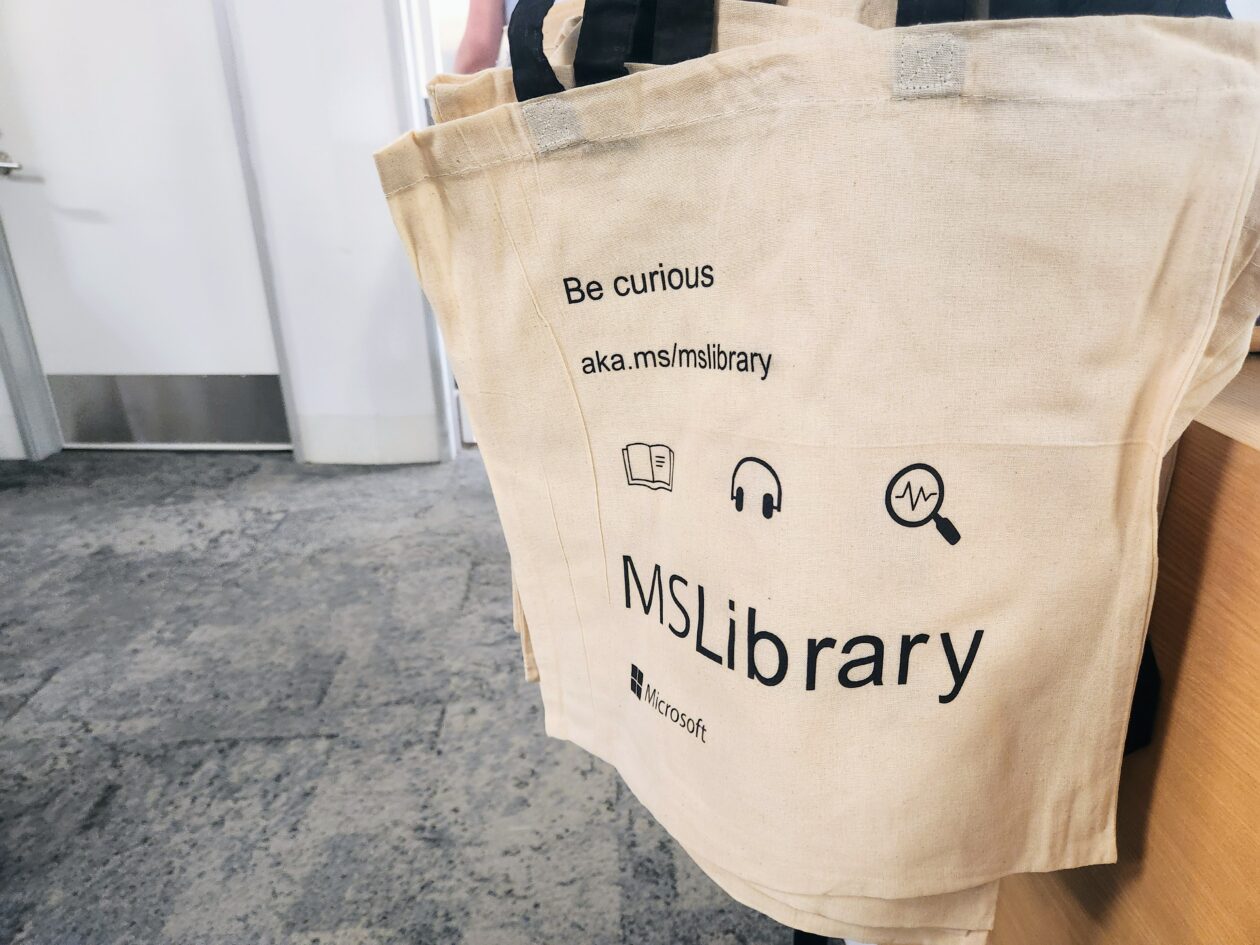
In a move that reflects the changing landscape of corporate learning and knowledge management, Microsoft has closed its physical libraries across its global campuses, signaling the end of an era that many employees and former executives regard with nostalgia. The Microsoft Library in Redmond, which served as a cultural landmark where authors gave talks and employees browsed through physical books—including CEO Satya Nadella’s recommendations—closed its doors this week along with similar facilities in Hyderabad, Beijing, and Dublin. This transition represents Microsoft’s strategic pivot toward what it internally describes as a “modern, AI-powered learning experience,” transforming these spaces into collaborative “Skilling Hubs” designed for group learning and technological experimentation. The change, while aligned with Microsoft’s AI-first vision, has prompted reflection on the value of traditional knowledge repositories in a digital age.
The Microsoft Library wasn’t merely a collection of books but a physical manifestation of the company’s commitment to continuous learning and intellectual exploration. Originally housed in Building 4 before moving to Building 92, the library served as a quiet retreat within the bustling tech campus—a place where employees could disconnect from screens and engage with ideas in print form. Former Windows president Steven Sinofsky recalled the library as “a crown jewel of the early days,” noting how comprehensively it served Microsoft’s staff: “They bought every PC book and two copies of every software. If you found one you needed that they didn’t have, they acquired it.” This personal touch and responsive curation created an environment that many employees valued deeply, making the closure particularly significant for long-time Microsoft veterans who witnessed the company’s evolution across decades.
Beyond the physical transformation of space, Microsoft’s library closure represents a broader shift in how the company approaches information access and employee development. The company’s spokesperson explained that they’re “evolving Microsoft Library locations and services to better support how employees learn, stay current, and build new skills.” This evolution extends beyond physical books to affect subscription services—the company has reduced employee access to certain newspapers and industry reports, including The Information and Strategic News Service, which had provided global reports to Microsoft employees for over twenty years. While cutting these resources, Microsoft maintains that it continues to offer access to more than 20 digital resources and subscriptions, “prioritizing those most valuable to employees.” This selective approach to information access reflects both cost-cutting measures and a philosophical shift toward AI-driven learning resources.
The transition from traditional libraries to AI-powered learning hubs reveals tensions between different knowledge paradigms. Strategic News Service, one of the subscription services affected by the cuts, offered a pointed critique of Microsoft’s AI-focused rationale. “Technology’s future is shaped by flows of power, money, innovation, and people—none of which are predictable based on LLMs’ probabilistic regurgitation of old information,” said Berit Anderson, the company’s chief operating officer. This criticism highlights fundamental questions about the nature of knowledge acquisition and the limitations of AI in capturing emerging trends, complex social dynamics, and truly novel insights. While AI systems excel at organizing existing information, they may struggle with the contextual understanding and forward-looking analysis that human curators and analysts provide—precisely the kind of expertise that specialized industry reports and thoughtfully curated libraries have traditionally offered.
Microsoft’s internal communication about the change acknowledged that the decision “affects a space many people valued,” suggesting awareness that this transformation goes beyond mere operational efficiency to touch on corporate culture and employee experience. The physical library represented a different mode of engagement with knowledge—one characterized by serendipitous discovery, quiet reflection, and community events like author talks. As these spaces transform into collaborative “Skilling Hubs,” the emphasis shifts from individual exploration to group learning and from consuming established knowledge to experimenting with emerging technologies. This reflects broader workplace trends toward collaborative spaces and experiential learning, but also raises questions about whether something valuable is lost when traditional libraries disappear from corporate environments that once championed them as intellectual resources.
The closure of Microsoft’s physical libraries serves as a case study in how major technology companies are reimagining knowledge management in the AI era. As one of the world’s leading AI developers, Microsoft’s internal choices about information access and learning environments naturally align with its market positioning and technological vision. Yet the nostalgia expressed by former executives like Sinofsky and the concerns raised by content providers suggest that this transition isn’t simply a neutral technological upgrade but a value-laden choice about what kinds of knowledge matter and how learning should occur. As the new “Skilling Hubs” take shape in the coming weeks, the company faces the challenge of creating spaces that preserve the intellectual curiosity and knowledge diversity that made its libraries special while embracing the collaborative, technology-forward approach that defines its future vision. For Microsoft employees and the broader tech industry, this transformation offers an opportunity to reflect on how we balance digital innovation with enduring human needs for diverse information sources and contemplative spaces in an increasingly AI-mediated world.