






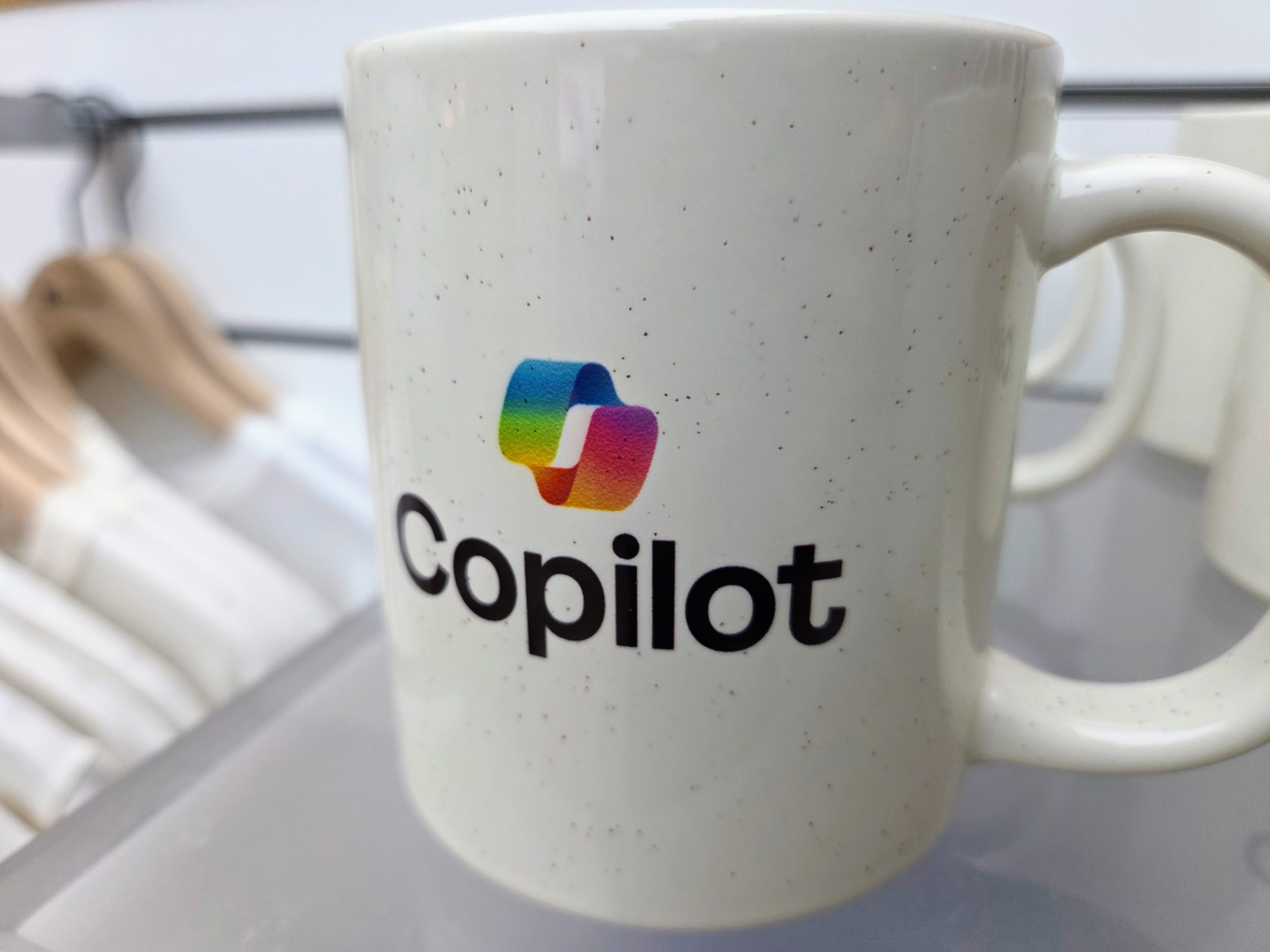
Paragraph 1: Imagine you’re a business professional buried in emails, spreadsheets, and endless research queries. Now picture having a super-smart assistant that not only pulls together information but actually checks itself for mistakes—that’s the kind of leap Microsoft is making with its latest update to Microsoft 365 Copilot. Back in March 2026, the tech giant revealed a clever twist: using Anthropic’s Claude AI to review and fix work done by OpenAI’s GPT inside the Copilot Researcher tool. It’s like having two brilliant minds collaborate to ensure you’re getting spot-on answers, blending Microsoft’s partnerships with these AI powerhouses.
Paragraph 2: This new feature, dubbed Critique, works in a step-by-step dance. First, GPT drafts a response to your research question, drawing on its vast knowledge. Then, Claude steps in to scrutinize it—fact-checking for accuracy, making sure it’s complete, and verifying the citations are solid. Only after that polish does the final answer land in your inbox. It’s a seamless process that aims to elevate the quality of AI assistance, turning potentially shaky drafts into reliable, professional-grade outputs. Think of it as a peer review system automated for everyday use.
Paragraph 3: The results speak for themselves. Microsoft claims this combo boosted performance by 13.8% on the DRACO benchmark, which measures deep research chops. That puts Copilot ahead of solo tools from big players like OpenAI, Google, Perplexity, and even Anthropic on its own. It’s not just bragging—companies are seeing real value in precise, vetted info without the hassle of double-checking everything manually. This improvement highlights how layering AI models can create something greater than the sum of their parts, like assembling a dream team of experts for your workbench.
Paragraph 4: Diving deeper into the adoption story, Microsoft is still working to win over its loyal Microsoft 365 base. In January 2026, they hit 15 million paid Copilot seats, which sounds impressive but is only about 3.3% of their 450 million enterprise users. It’s clear the company sees this multi-model magic as a game-changer to ramp up usage, helping businesses trust and rely on Copilot for more of their daily grind. For small teams or solo entrepreneurs, this could mean less time sifting through bad data and more focus on actual innovation.
Paragraph 5: Of course, Microsoft isn’t operating in a vacuum. The AI race in enterprise tools is heating up, with Google pushing Gemini across its Workspace suite and Anthropic’s Claude gaining traction for its strengths in various applications. OpenAI, too, is flexing with ChatGPT Enterprise and its own deep-research gadgets. This move by Microsoft feels like a strategic pivot, hedging bets by mixing rivals’ technologies to stay competitive. It’s a reminder that in the AI world, partnerships and integrations might be the real winners, not any single vendor.
Paragraph 6: And there’s more to the update. Microsoft also rolled out Copilot Cowork, a tool for handing off those long, complicated tasks within Microsoft 365. Think of delegating a multi-step project, like planning a marketing campaign or analyzing financial reports, and letting the AI handle the legwork. Built using Anthropic’s Claude Cowork tech, it’s now in early access via their Frontier program. For busy professionals, this is like having a reliable teammate who never sleeps, turning overwhelming workloads into manageable wins. Overall, these advances paint a picture of AI evolving to fit seamlessly into our workflows, making tech feel more like a helpful friend than a fancy gadget.