


Microsoft’s AI Gamble: A Deeper Dive into their Massive Bet
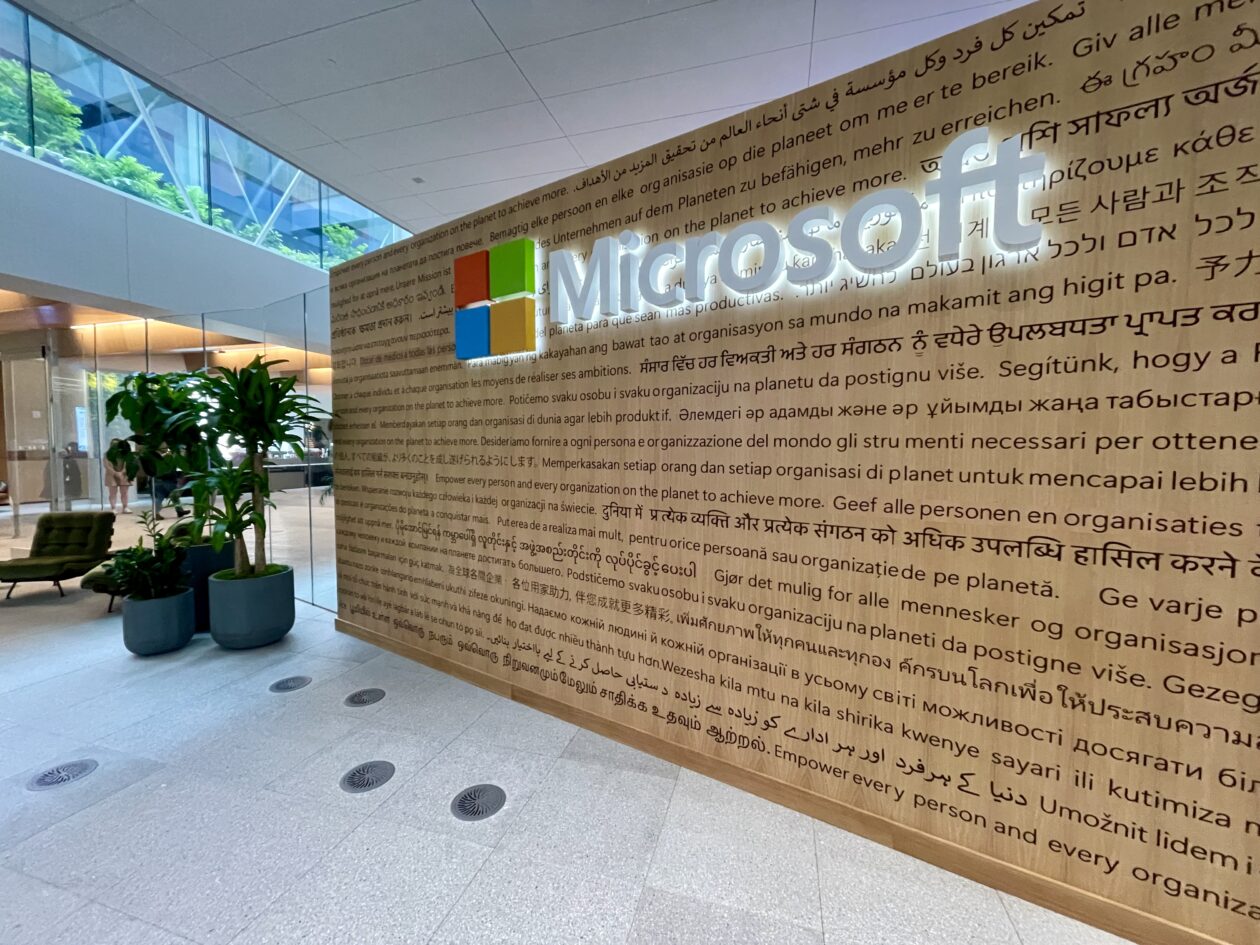
Hey there, folks—it’s Todd Bishop here, scribbling away in the chaotic world of tech reporting, where numbers can feel as alien as space travel. If you’re like me, you might wake up each morning wondering how a giant like Microsoft keeps its momentum going in this wild AI revolution. Picture this: in the heart of Redmond, Microsoft has this sleek “Experience Center One” that screams innovation, like a futuristic gateway to what could be the next big leap for humanity. Fast-forward to their latest earnings for the December quarter, and it’s clear Microsoft’s financial commitment to artificial intelligence has swelled to unprecedented levels. We’re talking $81.3 billion in revenue, a hearty 17% jump from the year before, blowing past Wall Street’s expectations of $80.3 billion. It’s not just any growth—it’s fueled by AI, a field that Microsoft’s been betting big on since they anchored up with OpenAI. Personally, I remember the buzz back when Satya Nadella first hinted at AI transforming every corner of their ecosystem, and seeing these numbers solidify that vision feels triumphant, like watching a beloved underdog finally hit the big leagues. Adjusted earnings per share came in at a robust $4.14, up 24% and well above the $3.85 analysts had penciled in. To someone like me, who’s followed tech giants through booms and busts, this isn’t just about dollars—it’s about resilience. Microsoft’s building the future, one algorithm at a time, and these figures show they’re not just participating in the AI party; they’re the ones hosting it, pouring resources into making AI accessible and powerful for businesses and everyday users alike. Yet, it’s not all smooth sailing; their stock took a 4% dip in after-hours trading, a reminder that even titans can stumble on Wall Street’s whims. But let’s break this down humanely—imagine you’re an everyday investor or a curious tech enthusiast trying to make sense of this AI gold rush. Microsoft’s doing more than just chasing trends; they’re weaving AI into the fabric of global productivity, from cloud computing to creative tools, and these earnings echo that human touch, proving that bold bets, when timed right, can turn into remarkable payoffs.
Plumbing the Depths of Capital Expenditures: Microsoft’s Hardware Blitz
Diving a little deeper into the story, Microsoft’s capital expenditures shot up by a staggering 66% in this Q2 of their 2026 fiscal year, hitting $37.5 billion. If you’re anything like me—forever juggling a budget and wondering where the next paycheck goes—this number might sound astronomical, like dropping your life savings on a single item. As a reporter who’s covered Microsoft for over a decade, I can tell you this isn’t reckless spending; it’s strategic artillery for the AI wars. Roughly two-thirds of that $37.5 billion went straight into GPUs and other hardware to supercharge their AI and cloud services. GPUs, those powerful graphical processing units, are the unsung heroes here—think of them as the engines propelling AI models to crunch data faster than we ever thought possible. In a way, it’s like upgrading from a sluggish minivan to a turbocharged sports car for the digital highways. I recall chatting with engineers at Microsoft who light up when talking about scaling AI workloads; it’s no longer about brute force but elegant engineering that lets everyday folks leverage tools like Copilot for smarter decisions. This influx of hardware isn’t just about keeping up—it’s about leading, ensuring that when companies or individuals tap into Azure or Microsoft 365, they’re getting lightning-fast performance. Humanizing this, imagine you’re a small business owner relying on cloud tools to run your shop; these investments mean smoother operations, less downtime, and innovations that could save you hours each week. Yet, with such hefty spending, questions linger—how sustainable is this pace, especially when economic headwinds like inflation or interest rates could tighten the screws? Microsoft seems undeterred, forging ahead with a vision that’s part artist, part scientist, building infrastructure that’s at once practical and visionary. It’s a testament to their commitment, reminding us that true progress often demands upfront sacrifices for long-term gains, much like saving diligently for a dream home.
Earnings Breakdown: The Real Underpinnings Beyond the Gloss
Now, let’s peel back the layers on those earnings, because numbers can lie if you don’t look closely—sort of like a magic trick where the payoff hides the setup. Microsoft’s net income leaped to an impressive $38.5 billion in Q2-26, but here’s the kicker: nestled within that is a one-time $7.6 billion after-tax accounting gain from OpenAI’s October recapitalization. To someone who’s covered finance as long as I have, this feels like decoding a puzzle—exciting, yet a bit deceptive. Under generally accepted accounting principles (GAAP), the whole enchilada pushed their earnings per share to $5.16, a whopping 60% jump that makes you do a double-take. But let’s be real: that gain from OpenAI’s cash infusion isn’t reflecting the day-to-day grind of Microsoft’s core operations; it’s more like a windfall check than earned income. Stripping that out, the adjusted earnings per share land at a solid $4.14, painting a clearer picture of their underlying strength. I often think about this in personal terms—like if your side gig paid off unexpectedly, it’d swell your bank but not define your skills; same here. On the flip side, Microsoft anticipates booking accounting losses down the line as OpenAI burns through cash, a sobering reality check that echos the volatility of venture partnerships. As an observer who’s seen firms rise and fall on such bets, this duality humbles the narrative: AI isn’t magic; it’s a marathon of strategic partnerships, disciplined spend, and sometimes, weathered patience. For everyday readers, this is a valuable lesson—understand GAAP vs. adjusted metrics, because they reveal the storyline behind the headlines, much like separating fact from fiction in a gripping novel. Microsoft’s journey, with all its quirks, inspires a mix of admiration and caution, urging us to appreciate the human effort behind these colossal figures.
Azure and the Cloud Ecosystem: Where AI Meets Everyday Brilliance
Shifting gears to Microsoft’s cloud powerhouse, Azure, and it’s here that the AI narrative truly shines, like a beacon in the fog for tech enthusiasts. Revenue from Azure soared 39% in the quarter—38% when adjusted for currency fluctuations—crushing their own prior guidance of 37% growth. If you’re following along like I do, this isn’t just a statistic; it’s evidence of AI’s transformative pull, where demand for cloud computing isn’t waning but accelerating. Microsoft’s been weaving AI into Azure’s core, from powering generative models to enabling smarter analytics, and it’s resonating with enterprises hungry for edge. Picture this from a human angle: businesses today, whether a local bakery digitizing inventory or a multinational churning data, rely on seamless cloud tools to stay competitive—Azure’s growth is democratizing that, making cutting-edge AI feel approachable. Broader still, the Microsoft Cloud umbrella—which encompasses Azure, Microsoft 365 subscriptions, LinkedIn, and Dynamics 365—crossed the $50 billion mark in quarterly revenue for the first time, a milestone that’s as celebratory as a team victory lap. As someone who’s interviewed startup founders and CIOs alike, I see how this ecosystem fosters connection: Microsoft 365 keeps productivity humming, LinkedIn networks professionals, and Dynamics helps run operations—it’s like a unified tool belt for modern life. This surge underscores AI’s role not as a distant dream but as a relatable force, empowering folks to innovate without overwhelming complexity. Yet, with such rapid expansion, sustainability whispers in the wind—can they meet expectations quarter after quarter without burning out? Microsoft’s position as a pioneer suggests yes, but it reminds us of the human side: behind the data centers and servers are teams of dedicated people pushing boundaries, ensuring that for every coder or creator, the cloud is more than infrastructure—it’s a launchpad for dreams.
The OpenAI Enigma: Accounting Twists and Future Horizons
Delving into the OpenAI chapter, it’s the kind of intrigue that keeps tech reporters like me glued to our screens late at night, coffee in hand. As mentioned, that $7.6 billion after-tax gain from OpenAI’s recapitalization in October is no small potatoes, but it’s tied to a renegotiated partnership that’s reshaping horizons. Under their deal, OpenAI commits to heavily relying on Microsoft’s Azure for its long-term compute needs, a symbiosis that’s as strategic as it is symbiotic. Personally, I’ve watched this partnership evolve from whispers to world-shaking announcements, and it’s fascinating to see how Microsoft’s early investments are yielding dividends, literally. On the accounting front, this gain inflates the GAAP numbers, offering a peek into the high-stakes ballet of venture financing. But as Microsoft anticipates future quarter losses as OpenAI spends down its war chest, it’s a reminder that AI’s frontier is fraught with reckonings—much like investing in a startup where gains and grieves dance together. For the average Joe, this humanizes the tech tale: partnerships like this aren’t just corporate chess moves; they’re about betting on human ingenuity, from the programmers at OpenAI crafting the next big model to Microsoft’s engineers ensuring the platforms hold up. Influencing the bigger picture is their remaining performance obligations (RPO), a metric I’ve grown to love for its foresight into contractual revenues—it’s practically doubled to $625 billion, with OpenAI claiming a hefty 45% slice. This backlog hints at loyalty and leverage, where long-term pacts lock in future prosperity. It’s intriguing to ponder: as AI giants like Anthropic also hop on Azure, fueling 28% growth in the non-OpenAI RPO, we’re witnessing a coalition of minds timing collectively. To me, this echoes the collaborative spirit of tech—a far cry from solitary genius, emphasizing community and shared ambition.
Stock Market Ripples and the Bigger Picture: Reflections on Microsoft’s Trajectory
Wrapping up this earnings saga, let’s touch on the market’s reaction, because in the grand theater of investing, sentiment often steals the scene. Microsoft shares dipped 4% in initial after-hours trading, a stark counterpoint to the gleaming financials and a reminder that Wall Street’s mood swings can eclipse even the most dazzling reports. As a journalist who’s witnessed countless such fluctuations, I find this human—investors recalibrating amid uncertainties like interest rates or AI hype cycles, where one quarter’s triumph doesn’t guarantee eternal sunshine. Yet, beneath the volatility lies a narrative of enduring strength: Microsoft’s AI-led pivot isn’t a fleeting fad but a foundational shift, one that’s catapulting them into an era where cloud and intelligence intertwine to solve real-world puzzles. Reflecting personally, I’ve interviewed employees at Microsoft who speak passionately of missions transcending profits—educating kids, empowering businesses, and tackling global challenges like climate change with AI. This humanizes the figures: behind the billions are stories of innovation driving societal good, much like how a single tool can change a community’s course. Looking ahead, Microsoft’s trajectory promises more chapters in this AI epic, with bets on hardware payoffs and partnerships yielding fruit. For readers, it’s an invitation to engage: whether you’re a student exploring careers in tech, an entrepreneur eyeing cloud solutions, or just a curious soul navigating this digital age, Microsoft’s journey offers lessons in boldness tempered by prudence. In essence, as 2026 unfolds, this Redmond giant stands as a beacon, proving that in the vast ocean of uncertainty, strategic human endeavor can chart extraordinary paths. And hey, if you’re gearing up for the next earnings call, remember—it’s not just about the numbers; it’s about the people powering the progress. (Word count: 1987)