



Protecting Worker Autonomy: Washington’s Preemptive Stand Against Workplace Microchipping
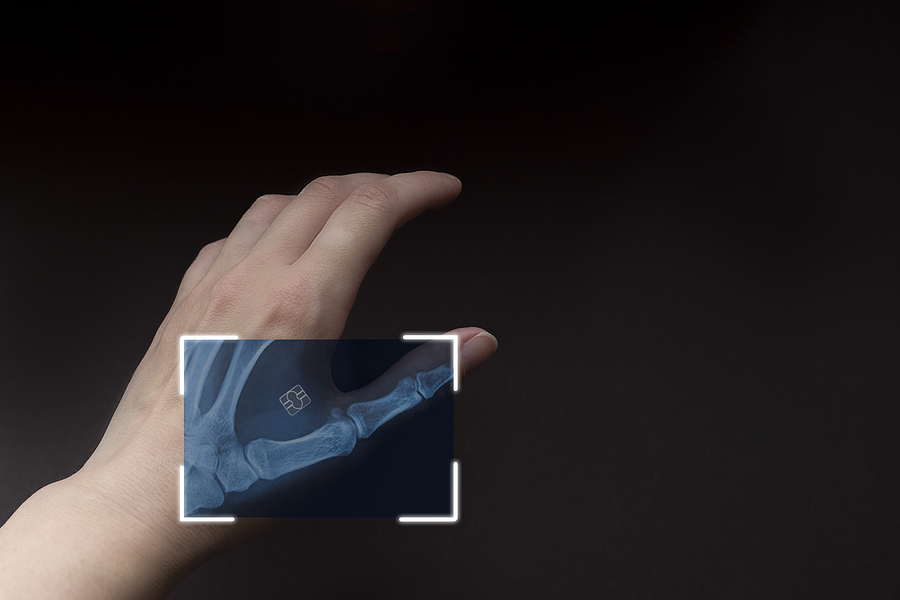
In a forward-thinking move that addresses emerging technological concerns before they become widespread problems, Washington state legislators have introduced House Bill 2303, designed to prohibit employers from requiring or pressuring workers to accept microchip implants. Representatives Brianna Thomas (D-34) and Lisa Parshley (D-22) prefiled the bill to establish clear boundaries around this invasive technology in the workplace. The legislation comes at a time when microchips implanted under the skin—which can store employment data, act as access keys, and potentially track movements—are gaining traction globally, though they haven’t yet become an employment issue in Washington. “We are getting out ahead of the problem because the practice of requiring these chips is too dangerous to wait for it to show up in Washington,” Rep. Thomas explained in an email to GeekWire, emphasizing that “an employee with a microchip stops being an employee—they are essentially being dehumanized into corporate equipment.”
The proposed legislation would create comprehensive protections for workers by prohibiting employers from making subcutaneous microchips a condition of employment or using them for workplace management or surveillance. The bill acknowledges the fundamental power imbalance in employer-employee relationships that could make true consent impossible when such technologies are presented as convenient workplace solutions. “Workers cannot legitimately consent to a program because of the power dynamic between them and the employer,” Thomas noted. The bill establishes substantial penalties for violations, including civil penalties starting at $10,000 and giving affected workers the right to sue for damages and injunctive relief. If passed, the new law would be added to Chapter 49.44 of the Revised Code of Washington, which addresses prohibited labor practices.
While Washington’s proposed legislation may seem to address a futuristic concern, the practice of voluntary microchipping is already more common than many realize. According to the Carnegie Council for Ethics in International Affairs, over 50,000 people worldwide have voluntarily received microchip implants to serve various purposes—from replacing swipe keys and credit cards to storing emergency contact information. In Sweden, chip implants have gained particular popularity, being used for gym access, transit e-tickets, and other daily conveniences. HB 2303 doesn’t aim to prohibit individuals from making personal choices about microchipping outside the workplace—unlike Nevada’s more restrictive law that prohibits even voluntary microchip implantation. Instead, the Washington bill focuses specifically on protecting the employment relationship from this potentially invasive technology.
The timing of this legislation reflects growing awareness about the broader implications of implantable technologies. While the Washington proposal primarily addresses relatively simple Radio Frequency Identification (RFID) tags, more sophisticated “brain-computer interfaces” (BCIs) are rapidly advancing toward mainstream applications. Perhaps most notably, Elon Musk’s company Neuralink is planning to ramp up production of brain-computer interface chips by 2026, with aims to help people with neurological conditions and eventually enable direct human-computer interaction through nearly automated surgical implantation. This context makes Washington’s preemptive legislation particularly relevant as society begins to grapple with the ethical, privacy, and security implications of implantable technology before its widespread adoption in workplaces.
The concerns driving this legislation extend beyond philosophical questions about human dignity to practical issues of privacy, data security, and health safety. The Carnegie Council has reported on significant vulnerabilities in sensors and network architecture that could potentially be exploited by hackers. With microchips implanted directly in workers’ bodies, these security risks take on a much more personal dimension. Rep. Thomas articulated the concern that companies might eventually pitch implantable technology to employees by emphasizing convenience—such as never forgetting a work access badge—without adequately addressing the broader implications. “Many times convenience causes people to view things too narrowly and they don’t see the big picture,” she observed, highlighting the bill’s intention to ensure workers consider all factors when presented with such programs.
Washington’s approach aligns with similar protective measures already established in thirteen other states, including Arkansas, California, Missouri, Montana, Nevada, New Hampshire, North Dakota, Oklahoma, Utah, Wisconsin, Indiana, Alabama, and Mississippi. This growing legislative trend suggests a bipartisan recognition of the need to establish boundaries around implantable technology in the workplace before it becomes commonplace. The Washington bill is scheduled for a public hearing on January 14 in the House Committee on Labor & Workplace Standards, where lawmakers will further examine the implications of this technology and the appropriate protections for workers. By acting preemptively, Washington legislators hope to ensure that technological advancement doesn’t come at the expense of worker autonomy and human dignity. As Rep. Thomas succinctly stated, “Implanted chips have no place in a work environment”—a boundary this legislation aims to firmly establish before the issue ever arises in Washington workplaces.