






Meta’s VR Retreat: Layoffs and Canceled Projects Signal Shift in Strategy
Meta’s ambitious virtual reality dreams are experiencing a significant recalibration, with recent layoffs affecting multiple VR game studios, including Bellevue, Washington-based Camouflaj. The creator of critically acclaimed titles like Republique and Batman: Arkham Shadow has been reduced to just “a handful of employees” according to multiple industry reports. This dramatic downsizing represents not just another corporate restructuring but potentially signals a broader pivot in Meta’s long-term technological vision, moving away from the metaverse toward AI and wearable technology.
The week began with news that Meta had completely shuttered several game developers in its studio network, including Texas-based Twisted Pixel (Marvel’s Deadpool VR) and Armature (Resident Evil 4 VR). By Wednesday, rumors circulated that Camouflaj had also been affected, which was confirmed by outlets like Aftermath and The Verge the following day. While Camouflaj hasn’t been completely closed, its workforce has been drastically reduced from approximately 30 employees. Perhaps most disappointing for fans, a planned sequel to 2024’s Batman: Arkham Shadow has been canceled, and the game’s developer Sanzaru has been completely shut down. These moves appear to be part of Meta’s broader 10% reduction in headcount across its Reality Labs division.
Camouflaj’s journey makes this downsizing particularly poignant. The studio began as an independent venture led by Microsoft veteran Ryan Payton, making headlines in 2012 when it successfully used crowdfunding to kickstart development of Republique. This episodic stealth game set in a fictional totalitarian state initially launched as an iOS exclusive before expanding to other platforms like PC, Mac, Android, and PlayStation 4. The studio later pivoted toward virtual reality, reimagining Republique for VR platforms and subsequently developing Iron Man VR with Sony Interactive Entertainment and Marvel Studios in 2020. Meta (then Facebook) recognized the studio’s talent and acquired Camouflaj in 2022, making them part of their growing stable of VR developers.
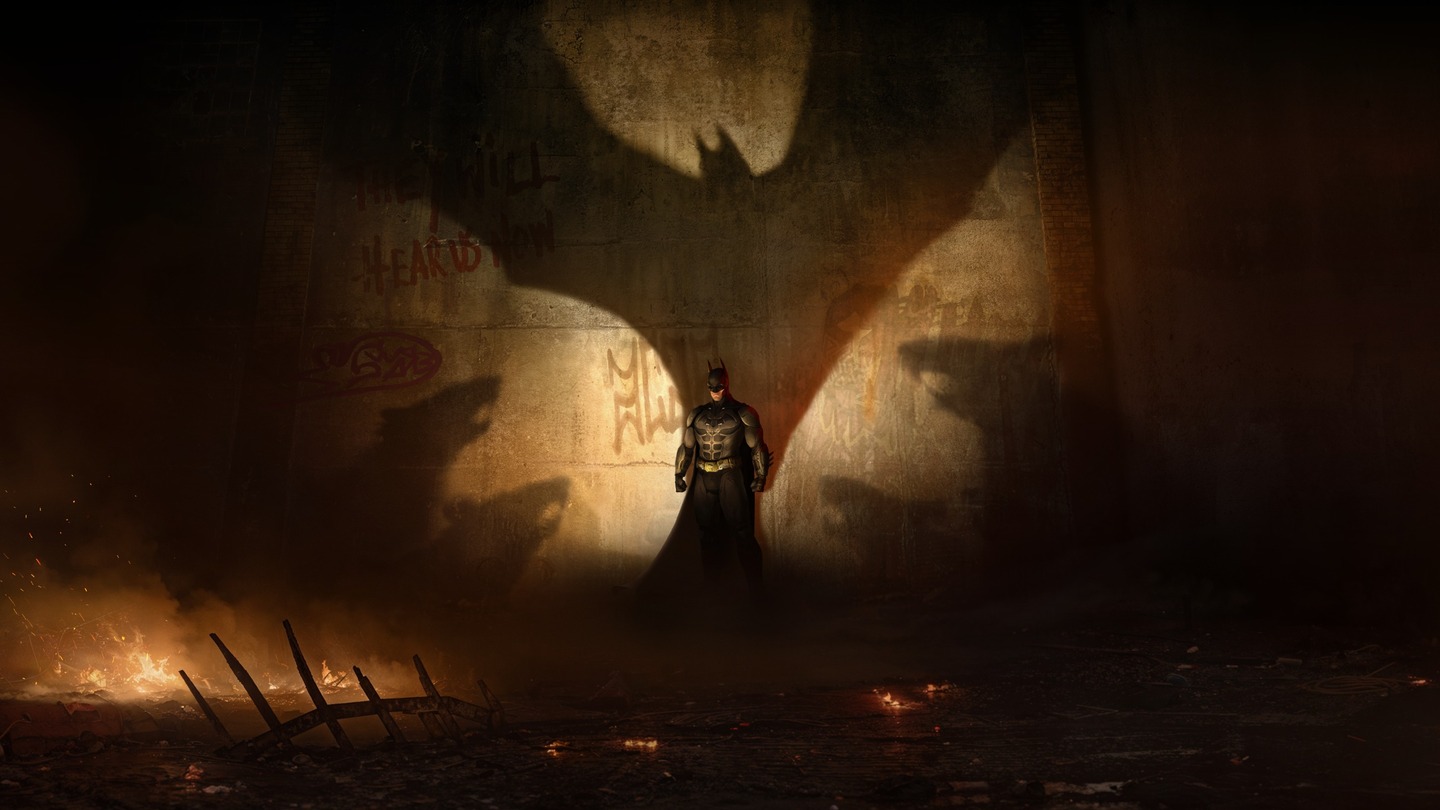
Their most recent title, Batman: Arkham Shadow, represented a significant achievement – an official entry in the popular Arkham franchise that placed players in the role of a younger Batman confronting a villain known as the Rat King. The game was set early in Batman’s vigilante career, before many of his iconic rogues gallery had assumed their costumed identities. Now, with the studio’s future uncertain and planned sequels canceled, fans are left wondering what might have been for this promising VR franchise and the talented team behind it. The situation reflects broader challenges facing the entire VR gaming ecosystem as one of its biggest corporate champions appears to be reconsidering its commitment.
Meta’s strategic shift carries implications far beyond its own corporate boundaries. As the company behind the Meta Quest line of standalone VR headsets, Meta commanded a substantial portion of the consumer VR market. If these layoffs and studio closures indicate a larger retreat from virtual reality in favor of artificial intelligence and wearable technology, it could potentially threaten the viability of the entire VR ecosystem. Developers and content creators who have invested heavily in virtual reality may find themselves questioning whether the platform still has the institutional support necessary for long-term growth and sustainability. While other players like Sony and Apple continue their own VR/AR initiatives, Meta’s massive resources and marketing reach made them a cornerstone of mainstream VR adoption.
Despite these concerning developments, there are reasons for VR enthusiasts to maintain cautious optimism. Valve’s recent announcement of a new VR headset suggests other major technology companies remain committed to the format. Additionally, while Meta may be scaling back certain aspects of its VR operations, the company has invested billions in the technology and still maintains significant infrastructure and intellectual property in the space. The affected studios represent creative talent that has produced beloved VR experiences, and one hopes these developers will find opportunities to continue pushing the boundaries of immersive entertainment, whether at other Meta divisions or new companies altogether. The story of virtual reality has always been one of persistence through cycles of hype and disappointment – perhaps this is simply another challenging chapter in an ongoing technological evolution rather than the beginning of the end.