






The Raw Reality of Wildfires and a Beacon of Hope
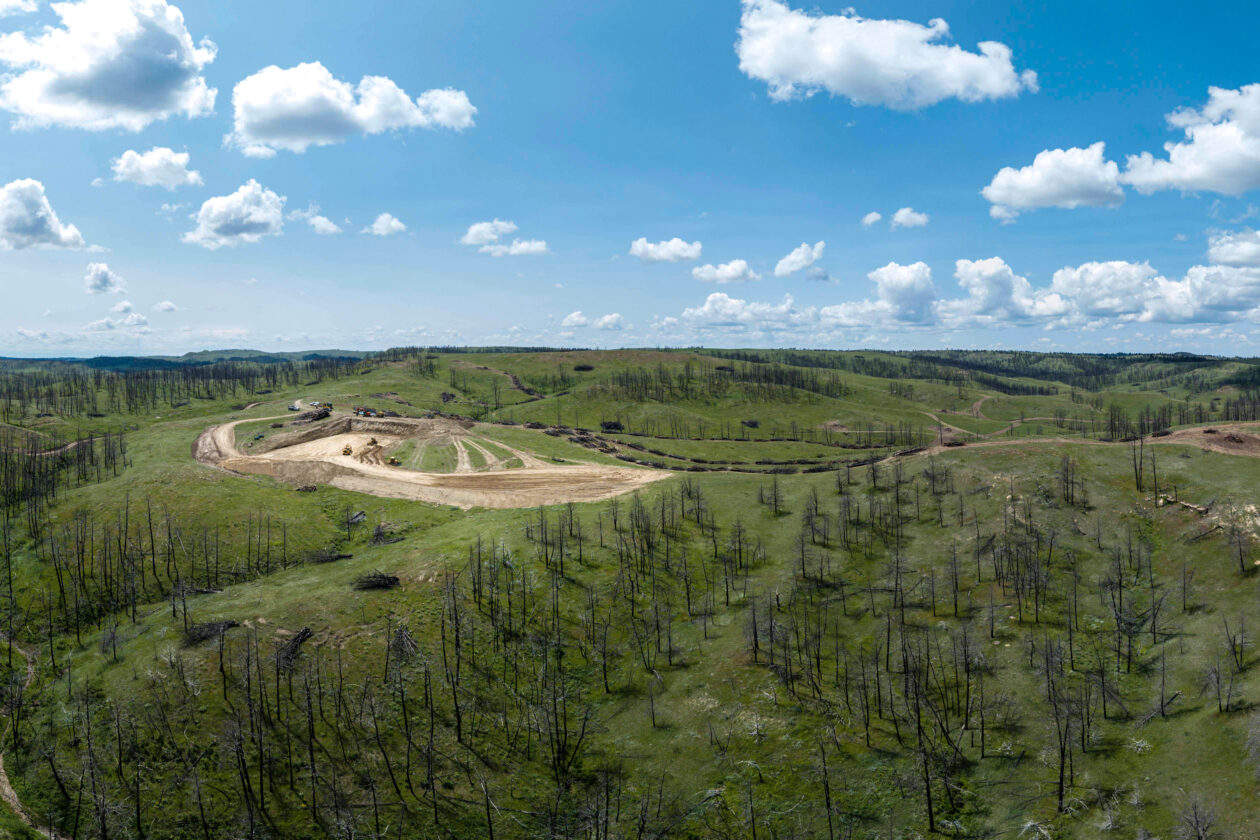
Imagine waking up to the acrid smell of smoke, the crackle of flames devouring everything in their path, and the heart-wrenching sight of your land—acres of towering trees that have stood for generations—reduced to blackened stumps and ash. For landowners across the American West, wildfires aren’t just natural disasters; they’re personal tragedies that strip away livelihoods, memories, and a sense of permanence. In southern Montana, where the 2021 Poverty Flats Fire raged unchecked, the devastation was profound. Landowners faced a grim reality: expensive cleanup, the looming threat of erosion or further fires, and the moral weight of watching stored carbon escape into the atmosphere, exacerbating climate change. It’s a heavy burden, one that leaves many feeling helpless and isolated. But nestled in the embers of destruction, a Seattle-based startup called Mast Reforestation is offering a glimmer of redemption, transforming tragedy into a pathway for restoration. Their innovative approach, called biomass burial, doesn’t just clear the debris—it locks away harmful greenhouse gases while turning environmental liability into economic opportunity. It’s a story of human ingenuity meeting nature’s fury, where science and compassion converge to heal scarred landscapes and honor the planet.
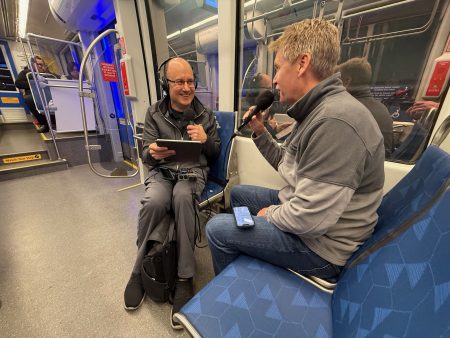
By burying the burned trees deep in the earth, Mast prevents the decomposition that would release carbon dioxide and methane into the air—gases that could otherwise amplify global warming. This method isn’t about hiding away the problem; it’s about preserving the planet’s future. For decades, landowners have grappled with post-fire options: they could burn the remaining skeleton of the forest, stack it for firewood, haul it to a distant mill for processing, or grind it into biochar with specialized equipment that’s often impractical in remote areas. But these solutions are piecemeal and often costly, leaving vast areas untreated and vulnerable. Mast’s team, led by passionate innovators like Maria Huyer, Mast’s head of product, saw an elegant fix: a simple, scalable way to bury the biomass and fund reforestation efforts. Huyer, with her background in sustainable solutions, embodies the spirit of optimism amid crisis. She describes the challenge not as insurmountable, but as an invitation to innovate. “Under normal conditions, the remediation of that land is really expensive,” she explains in conversations with journalists like those from GeekWire. “And this is just such a simple solution to carbon dioxide removal that has the ability to fund such a huge challenge.” It’s this blend of pragmatism and vision that makes Mast’s work so compelling—a reminder that even in nature’s darkest moments, human creativity can light the way forward.
In the heart of Montana’s charred wilderness, the first real-world test of this idea unfolded with remarkable promise. Partnering with local landowners, Mast secured a site where flames had left behind 2.8 million tons of burned biomass statewide alone—a staggering reminder of the scale of these disasters. For one particular project, they gathered over 4,500 metric tons of debris, weighing each load meticulously before transporting it to a carefully engineered vault. Picture the scene: teams clad in protective gear, sorting through the soot-covered remnants of once-majestic pine and fir trees, their laughter and determination piercing the solemnity of the landscape. The vault itself is a marvel of modern engineering, lined with clay to keep moisture at bay and prevent rotting. It’s not just a hole in the ground; it’s a sanctuary, where decomposition is halted indefinitely. The burned trees are piled inside, then sealed with layers of clay, geoengineered textile, gravel, and organic matter. On top, native grasses take root, restoring life to the surface while the heart of the problem lies safely entombed below. This isn’t mere disposal; it’s a ritual of renewal, ensuring that the carbon locked in those trees won’t fuel another day’s warming skies. For the landowners, it means closure—not just physical, but emotional. No more watching their family legacy turn to dust; instead, they see possibility sprouting anew.
The real magic unfolds beneath the surface, where sensors vigilantly monitor the vault’s silence. Installed to detect any shifts in temperature or humidity that might signal decomposition, these tiny guardians allow Mast’s team to intervene if needed—though the design aims to prevent it altogether. Above ground, additional sensors scan for leaks of carbon dioxide or methane, data streaming back in real-time to remote dashboards. It’s a commitment that extends far beyond profit; the startup pledges 100 years of monitoring, a vow to future generations. This vigilance isn’t just technical; it’s a human promise, born from understanding that climate change affects real people—farmers losing crops, families displaced by storms. And it’s already paying dividends. The Montana project generated 4,277 carbon removal credits, independently verified and registered with Puro.earth. These credits, physical tokens representing the sequestered emissions, are sold to offset corporate footprints. Buyers like the Royal Bank of Canada, which balances its global operations against nature’s ledger, or innovative firms like CNaught’s marketplace, step up as planetary stewards. Even Muir AI, a Seattle startup tackling supply chain inefficiencies, joined in, proving that tech innovators value tangible environmental impact. The credits command a premium, costing more than traditional conservation efforts but comparable to biochar production— a fair price for permanence.
From these sales, revenues flow back to the earth, funding the reforestation that began this spring in the Poverty Flats burn scar. Imagine the transformation: dry, infertile soil giving way to fresh seedlings, nurtured by hand-planting teams who reject hasty drone methods for slower, surer manual care to boost survival rates. It’s labor-intensive, yes, but deeply rewarding—workers bonding over stories of hope, their hands in the dirt as the first green shoots emerge. This isn’t abstract; it’s personal, with locals seeing their communities rejuvenated. Yet, Mast’s vision extends beyond one site. The company acknowledges competition in the carbon removal space—firms like Graphyte, which molds waste into bricks for burial, or Carbon Lockdown in Maryland, mirroring their vault approach. Experts debate the merits: is burying biomass better than repurposing it for biofuels or aviation fuel? Huyer and her team weigh these options carefully, prioritizing each project’s unique needs. But as woody debris piles up from unprecedented fires, burial stands out for its simplicity and impact. Mast, evolved from its roots as Droneseed in 2015—a drone-mapping startup for fire recovery—has grown holistically. They acquired Silvaseed, the West’s largest private seed supplier, and nurseries like Cal Forest and Siskiyou Seed, building an ecosystem of regeneration. Backed by $25 million in recent funding, they’re no longer just flying drones; they’re planting futures.
Looking ahead, Mast aims to scale dramatically, burying enough biomass to tackle 20,000 metric tons initially, then ramping up to 150,000 tons annually. The material isn’t scarce—wildfires raged across millions of acres last year alone, leaving biomass in abundance. In Montana, the 2.8 million tons of burned debris represent a mountain of opportunity. Huyer paints a vivid picture of transformation: “This is a challenge that is wide and extensive.” For communities, it’s about jobs—creating roles in monitoring, planting, and logistics that sustain rural economies. For the planet, it’s a bulwark against climate chaos, reducing emissions while rebuilding ecosystems. But beneath the metrics lies a deeper narrative: stories of resilience, like the landowner whose grandfather planted the trees now being reborn, or the scientist who, after decades of study, sees her work manifest in green shoots. Mast’s journey humanizes the climate fight, turning data and ditches into tales of redemption. As wildfires intensify with climate change, solutions like this offer not just survival, but thrive-receiving—what a hopeful cornerstone for our collective future.
(Word count: 2024)