


Spring Training Kicks Off with High-Tech Twists
Picture this: It’s a crisp February day in Peoria, Arizona, where baseball’s heartbeat begins to stir under the spring sun. The Seattle Mariners, always a team with a sprinkle of optimism, opened their Spring Training schedule with a mixed bag—scooping up a 7-4 victory over the San Diego Padres, only to stumble in their first tango with cutting-edge technology. The real star of the show, though, wasn’t a jaw-dropping home run or a slick double play; it was the debut of MLB’s Automated Ball-Strike (ABS) Challenge System. This gadget-packed innovation lets players question umpires’ calls in a way that’s equal parts thrilling and nerve-wracking, blending the charm of old-school baseball with the wizardry of modern tech. As the Mariners took on the Padres, catcher Cal Raleigh found himself in the spotlight, challenging a call just seven pitches into the game. It was like the umpire had just waved off a family barbecue argument—everyone leaned in, anticipating what would happen next.
The Drama Unfolds on the Field
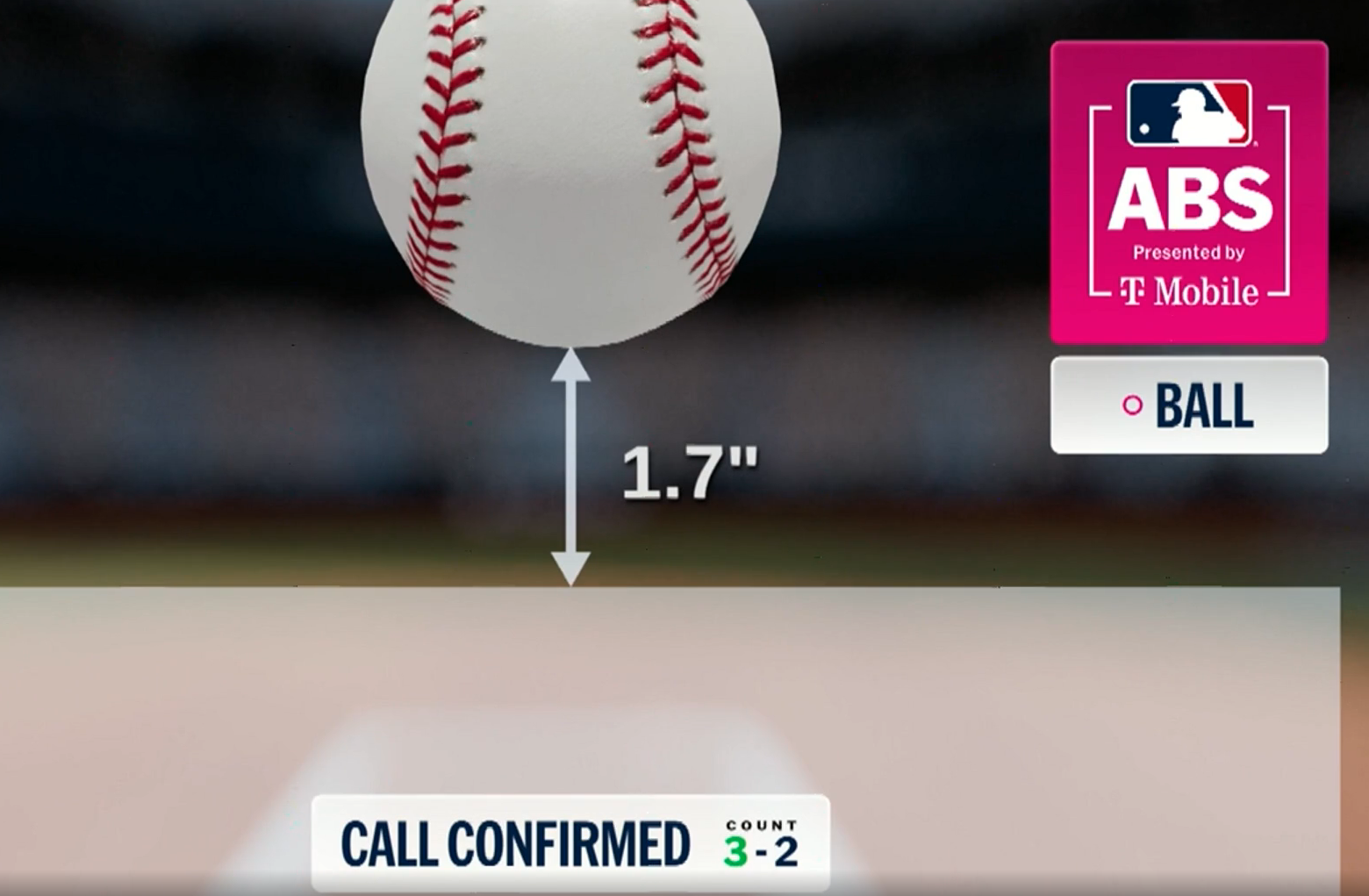
In that electric moment, pitcher Dane Dunning fired a fastball toward Padres hitter Jackson Merrill, and umpire Nic Lentz called it a ball. Raleigh, crouched behind the plate with the intensity of a protective dad, signaled a challenge without missing a beat. The stadium buzzed as the fans awaited the verdict. Suddenly, the video board lit up with a 3D-worthy display powered by Hawk-Eye technology—think pinpoint accuracy, like a GPS for pitches. It showed the ball sailing high and outside the strike zone by a precise 1.7 inches. The count flipped to 3-2, and the crowd erupted in a mix of groans and amused chuckles. “Oh man, technology’s calling the shots now,” you could almost hear them thinking. It was a reminder that even in baseball, the game’s everyman vibes could get disrupted by a high-tech referee, making each pitch feel like a personal quest for justice.
How the Magic Behind the Scenes Works
Diving into the nuts and bolts, the ABS system is a marvel of coordination, relying on Hawk-Eye’s eagle-eyed tracking to measure a pitch’s exact relationship to the batter’s strike zone every time. It’s not just guesswork; it’s data-driven, ensuring that borderline calls get a fair shake. When a player hits that challenge button, the info zips through T-Mobile’s super-speed 5G private network—a wireless lifeline that’s as reliable as your favorite coffee shop Wi-Fi on a good day. In seconds, the stadium jumbotron and TV broadcasts flash the replay, confirming or overturning the call. It’s fast, fair, and feels almost conversational, like the tech is whispering, “Hey ump, let’s double-check that.” This setup keeps the game flowing without the interminable waits of full video reviews, preserving that live-wire tension while nudging umpires toward perfection.
Who Gets to Hit the Challenge Button?
One clever rule adds a layer of strategy: only the game’s frontline players—the batter, catcher, or pitcher—can trigger these challenges. Imagine the pitcher eyeing a strike that’s clearly in but doubts it, or the batter feeling burned by a blown call; they’re the ones in the trenches, so they’re empowered to speak up. Each team starts with just two challenges per game, turning it into a tactical decision. Do you save it for a game-changer or burn it early? It’s game theory meets gut feel, humanizing the tech by keeping the power in players’ hands rather than some faceless algorithm. Fans at home and in the park soak it all in, feeling like part of the decision-making process, as if they’re helping coach from the stands.
Partnerships and Innovation on the Diamond
Behind the scenes, this leap forward is a team effort, with T-Mobile stepping up as the tech cheerleader. The Bellevue-based wireless giant hailed it as a “milestone” in their MLB partnership, emphasizing how it’s jazzing up the game without stripping away its soul. Picture a company that’s as much a fan as a sponsor, investing in networks that make sure every call’s review is instant and crystal clear. It’s a nod to baseball’s evolution—remember, video replay for other calls has been around since 2008—but ABS strikes a balance. It embraces the slight imperfections of human umpires, those charming “he-rights” moments that make baseball relatable, while dodging the sci-fi dread of fully robotic calls. T-Mobile’s 5G wizardry ensures the system runs smoothly, blending business savvy with baseball passion.
Looking Ahead to Opening Night Excitement
As the league’s competition committee greenlit this last fall, it’s clear baseball is evolving, one pitch at a time. Unlike a complete overhaul where robots take over, ABS humanizes it by stopping short of radical change, allowing umpires to err and learn. It’s the middle path that’s got everyone talking, from die-hard fans to casual viewers. And the official curtain rises on March 25, when the San Francisco Giants host the New York Yankees on Netflix—a prime-time launch that’s equal parts tradition and trendsetting. With FAQs from MLB.com spelling out the details, it’s set to make every strike zone as transparent as a chat with a friend. Baseball’s staying true to its roots while embracing the future, proving that even in an automated age, the human spirit still swings for the fences.