






Seattle’s Pike Place Market Emerges as Top Destination for Lime Riders in 2025
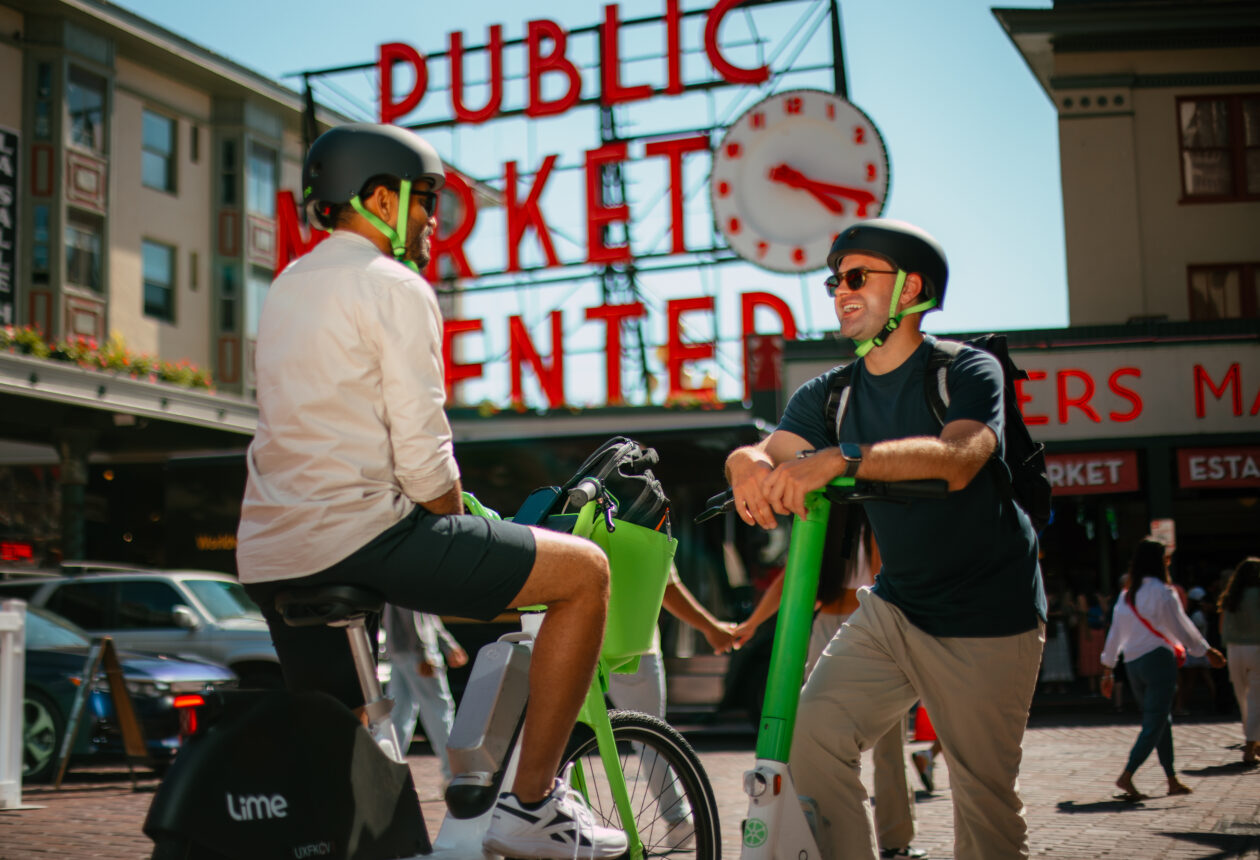
Pike Place Market, Seattle’s iconic downtown marketplace, has claimed the prestigious title of North America’s number one end destination for Lime electric scooter and bike riders in 2025. This beloved landmark, known for its vibrant atmosphere, local vendors, and picturesque views of Puget Sound, has become not just a hub for shopping and dining but also a focal point for sustainable urban transportation. According to Lime’s “2025 Ride Replay” report released in mid-December, Seattle residents and visitors alike have embraced these eco-friendly transportation options, with the areas surrounding the Market emerging as particularly popular spots to conclude journeys. The historic market, with its winding alleys, colorful stalls, and the famous flying fish, has always attracted crowds, but now it’s drawing a new type of visitor—one arriving on two wheels rather than four.
The popularity of Pike Place Market as a destination reflects broader trends in Seattle’s micromobility landscape, with the city experiencing a remarkable 61% increase in Lime ridership compared to 2024. An impressive 9.7 million trips were recorded throughout the year, highlighting Seattle’s growing commitment to sustainable transportation alternatives. The summer months proved especially popular for Lime users, with August seeing more than 1.3 million rides as residents and tourists took advantage of the city’s pleasant weather and scenic routes. September 27th stood out as the single highest ridership day, with nearly 60,000 trips recorded in a 24-hour period. These statistics not only demonstrate the growing popularity of e-bikes and e-scooters but also suggest a significant shift in how people navigate urban environments, choosing flexible, environmentally friendly options over traditional transportation methods.
Seattle’s embrace of innovative mobility solutions was further emphasized in May 2025 when it became the first city worldwide to launch the new LimeGlider, a next-generation electric device that has quickly gained traction among users. Since its introduction, the LimeGlider has facilitated more than 1.8 million trips throughout Seattle, showcasing the city’s willingness to adopt cutting-edge transportation technology. This achievement aligns perfectly with Seattle’s reputation as a forward-thinking tech hub where innovation thrives and residents are eager to test new solutions to urban challenges. The success of the LimeGlider launch demonstrates not only Lime’s commitment to evolving its offerings but also Seattle’s position as an ideal testing ground for transportation innovations that might eventually spread to cities worldwide.
The City of Seattle has actively supported the growth of micromobility options through its e-bike and scooter-share program, which features Lime alongside competitor Bird. Recognizing both the benefits and challenges of this transportation revolution, the Seattle Department of Transportation announced plans in fall 2025 to install more than 200 new bike and scooter “corrals” throughout downtown and other neighborhoods. These designated parking areas aim to address one of the most common criticisms of shared micromobility services: sidewalk clutter and improper parking. By creating dedicated spaces for riders to leave their vehicles, the city hopes to maintain pedestrian-friendly sidewalks while continuing to encourage sustainable transportation options. This infrastructure investment demonstrates Seattle’s commitment to integrating micromobility solutions into its broader transportation ecosystem in a thoughtful, organized manner.
For individual riders, Lime has enhanced the experience beyond mere transportation by offering its “Ride Replay” feature, which provides users with a personalized recap of their year on Lime vehicles. The 2025 edition features a celestial theme, assigning riders who opted into Lime emails their unique “ride-dentity” based on their usage patterns. Those who ventured to multiple cities might earn the title of “Expert Explorer,” while committed neighborhood regulars could be crowned “Local Legends.” This gamification aspect adds a layer of engagement to the service, transforming routine trips into part of a larger narrative about personal mobility choices. By building this community aspect, Lime encourages continued loyalty and usage while helping riders visualize their contribution to reducing carbon emissions through sustainable transportation choices.
Behind Seattle’s micromobility success story stands Lime itself, a San Francisco-based company that has evolved significantly since taking over the Jump bike-share business. Backed by a substantial $170 million investment round led by major players including Uber, Alphabet, Bain Capital, and GV in 2020, Lime has positioned itself as a leading force in the urban transportation revolution. While remaining privately owned, the company has expanded its footprint across global cities and continuously refined its vehicle offerings to better serve diverse urban environments. The significant ridership increases in Seattle suggest that Lime’s strategy is resonating with users, particularly in progressive, tech-savvy cities where environmental concerns and traffic congestion drive interest in alternative transportation solutions. As cities worldwide grapple with sustainability challenges and traffic issues, Seattle’s embrace of micromobility options may serve as a model for other urban areas looking to reduce their carbon footprint while improving mobility for residents and visitors alike.