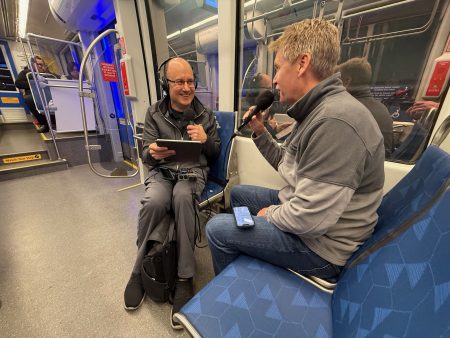




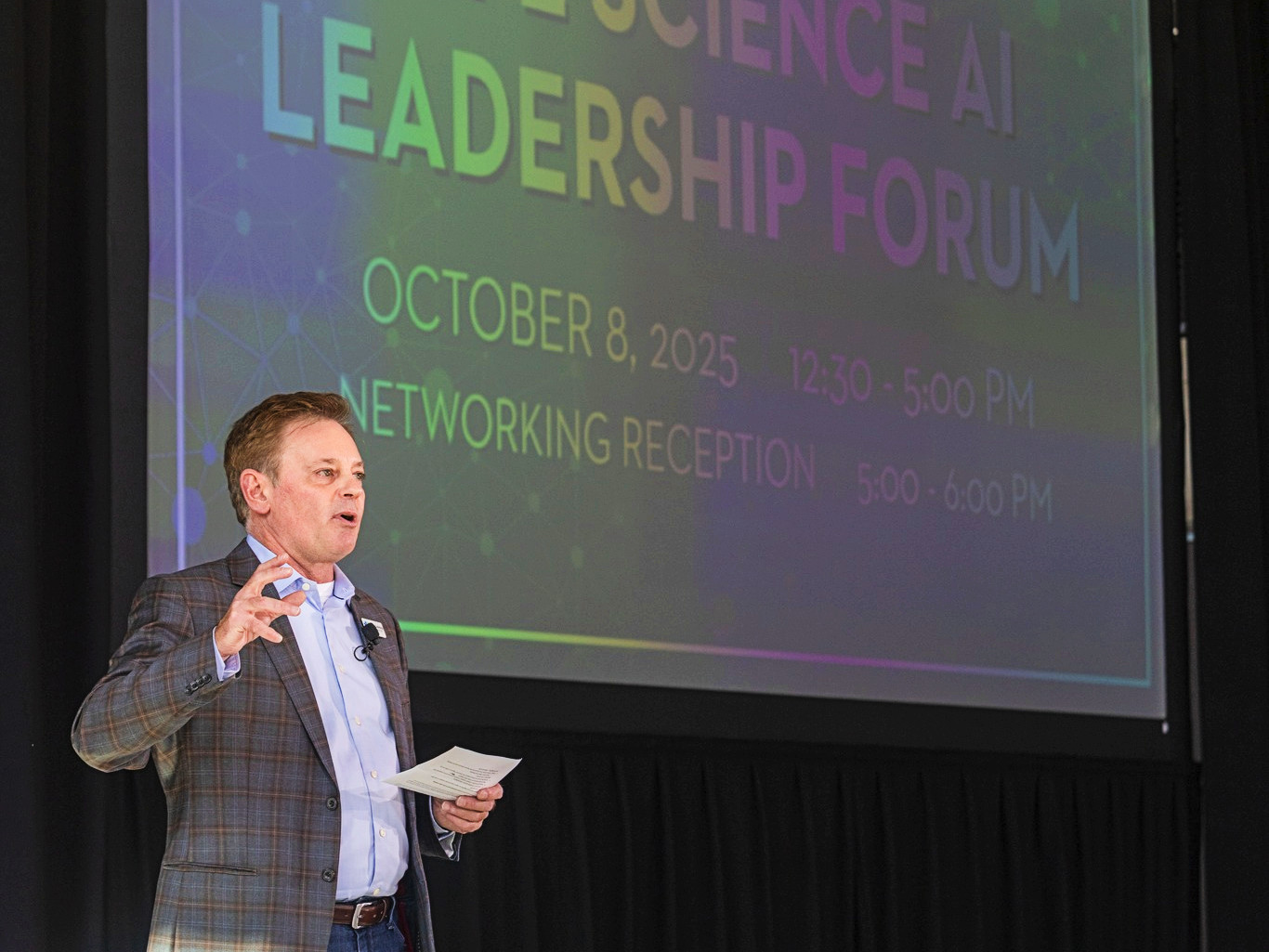
Seattle, the Emerald City, has long been celebrated for its coffee shops, rain-soaked skies, and a tech scene that’s revolutionized the world. But beneath the surface of that familiar reputation lies something equally groundbreaking: a thriving hub for AI-driven biotechnology that’s quietly shaping the future of medicine. On a crisp October day in 2025, at a one-day forum held right here in town, Marc Cummings, the president and CEO of Life Science Washington, stood up to paint this picture. As someone who’s deeply embedded in the region’s life sciences ecosystem, Cummings isn’t one for flashy headlines or breathless hype. Instead, he speaks with the steady confidence of a man who’s seen the field grow from a handful of labs to a powerhouse industry. “We focus on science,” he told the gathered attendees and, later, a GeekWire reporter, “and other people sell the dream and the hype.” It’s a refreshing contrast in a world driven by viral buzz, and it underscores the core strength of Washington’s biotech scene: substance over sparkle.
Delving deeper, Cummings shared how Washington’s life sciences sector is anything but a niche player—it’s a robust $41.2 billion industry boasting over 1,200 companies. Founded in 1989, Life Science Washington acts as a nonprofit trade association that’s the beating heart of this ecosystem. At its center is the University of Washington’s Institute for Protein Design (IPD), a world-class research facility helmed by Nobel Laureate David Baker. IPD isn’t just churning out academic papers; it’s spinning off biotech startups like Cyrus Biotechnology, which launched in 2014, transforming cutting-edge ideas into tangible innovations. Yet, even with this powerhouse behind them, Cummings knows that science alone doesn’t guarantee investor buy-in. That’s where his organization steps in, offering pitch coaching to help founders craft compelling stories. It’s about humanizing the narrative—turning complex jargon into relatable tales of hope and breakthroughs that resonate with venture capitalists. This hands-on approach reflects a broader regional ethos: a focus on mission-driven work over fleeting IPO rewards. As Cummings puts it, Washington’s biotech teams run deeper, with employees who aren’t jumping ship for better paychecks elsewhere. It’s this loyalty and depth that make the sector so attractive, creating a community where science feels like more than a job—it’s a calling.
Artificial intelligence isn’t just a buzzword in this corner of the world; it’s a transformative force that’s been woven into the fabric of biotech for years. Cummings, in his candid chat with GeekWire, distilled the excitement and realism surrounding AI’s role. Sure, it supercharges drug target identification, shaving precious time off the early stages of development. But let’s not forget its limits: AI can’t replace the messy realities of biological experiments or the lengthy human trials that still stretch 10 to 20 years. It’s a partnership, not a panacea, where technology accelerates efficiency but human ingenuity remains paramount. Seattle’s history of embracing AI in biotech shines through initiatives like IPD’s computational protein design, which has birthed therapeutic innovations. And the impact is felt far and wide—in medical devices that save lives, vaccines that protect communities, and research operations that run smoother. Take SKYCovione, the first COVID-19 vaccine crafted with AI from IPD labs by David Veesler and Neil King; it’s a testament to how this tech can respond to global crises. Then there’s the Cancer AI Alliance, led by Seattle’s Fred Hutch Cancer Center, where institutions collaborate using AI to hunt for cancer cures. Startups like Proprio are leveraging AI for pinpoint precision in spinal surgeries, while Fujifilm Sonosite in Bothell uses it for ultrasound diagnostics on the go. Even Just-Evotec Biologics, a subsidiary of Evotec SE, employs AI to develop and manufacture biotherapeutics. These examples aren’t distant wonders; they’re local successes that Cummings points to with pride, illustrating how AI is already reshaping healthcare in personal, impactful ways.
Beyond the labs and algorithms, a fascinating workforce evolution is underway, driven by the ebb and flow of economic tides. There have always been tech folks yearning to pivot into life sciences, but a chasm in pay often stood in their way—until now. With Silicon Valley giants cycling through layoffs, that gap is narrowing, allowing experienced tech workers to step into biotech roles. For those eyeing digital health, the transition feels almost seamless; fields tied to biology prove trickier, requiring bridging skills that full degrees might once have demanded. Cummings sees this as an opportunity, and Life Science Washington is partnering with higher education to create fast-track programs—think bridging knowledge gaps without years of retraining. It’s a human story of reinvention, where laid-off engineers discover new purpose in curing diseases, and biotech startups gain talent that’s versatile and innovative. Imagine the former coder who now optimizes AI models for drug discovery; their journey adds a layer of relatability to the sector, blending the code-crunching worlds of tech and the life-saving impulses of science. In this shift, Cummings detects a shift toward practicality, where passion trumps prestige, and the result is a workforce that’s more resilient and mission-oriented than ever before.
Recognizing that innovation thrives on collaboration, Life Science Washington’s efforts extend to forging ties between the region’s biotech community and its Big Tech heavyweights like Amazon and Microsoft Research. Cummings isn’t just talking shop; he’s actively facilitating events and networks that turn potential rivals into partners. Why? Because life science companies excel at applying AI—using it to slash costs and speed up discoveries—but they’re not in the business of inventing the next-gen algorithms. Instead, they can tap into the AI expertise right in their backyard, creating synergies that amplify both fields. Picture joint workshops where biotech entrepreneurs mingle with AI researchers from nearby campuses, sparking ideas that could lead to breakthroughs in personalized medicine or sustainable agriculture. This connective tissue isn’t about mergers or takeovers; it’s about shared vision. Cummings emphasizes how these “/linecollaborations lower barriers, fostering an environment where Washington’s biotech sector can punch above its weight globally. It’s a strategic human element, built on trust and mutual benefit, that ensures no one is reinventing the wheel alone.
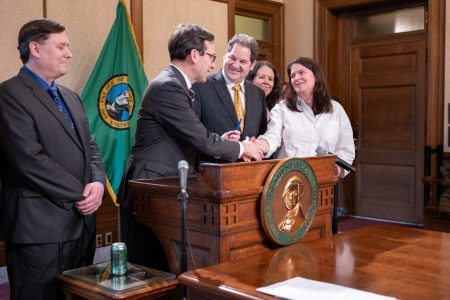
Yet, as Cummings reflected, the path forward isn’t without its potholes, especially when it comes to public policy. On the federal front, he tipped his hat to Senator Patty Murray, the Democrat from Washington, for her tireless defense against proposed NIH funding cuts from the Trump administration. Her advocacy secured increases for fiscal year 2026, a lifeline after a painful freeze the year before that had stalled critical research. It’s moments like these that humanize politics—showing how one senator’s persistence can restart the flow of funds that keep labs humming and startups afloat. But state and local policies tell a different tale, one that’s more cautionary. Cummings voiced concern over the accumulating taxes on payroll, income, and capital gains in Washington cities and statewide, which he fears are piling up into a deterrent force. Founders and companies, inspired by the region’s strengths, might still locate here, but the tax burden could nudge them toward greener pastures. “I don’t think it’s as catastrophic as everybody picking up and leaving,” he warns, but the slow drip of attrition—reallocating resources to tax-friendlier spots—is real. It’s a bittersweet reality, where the very policies meant to support communities inadvertently challenge their growth. In essence, Cummings calls for balance, urging policymakers to listen to the voices of innovators who build futures here. By addressing these fiscal frictions, Washington can sustain its biotech boom, ensuring that the dreams nurtured in its labs translate into worldwide benefits. Ultimately, it’s a reminder that behind every breakthrough is a system that needs nurturing, and with thoughtful adjustments, Seattle’s AI-driven biotech can continue to quietly redefine medicine, one collaboration at a time. This ecosystem isn’t just about science or hype; it’s about people, persistence, and the potential to heal.