




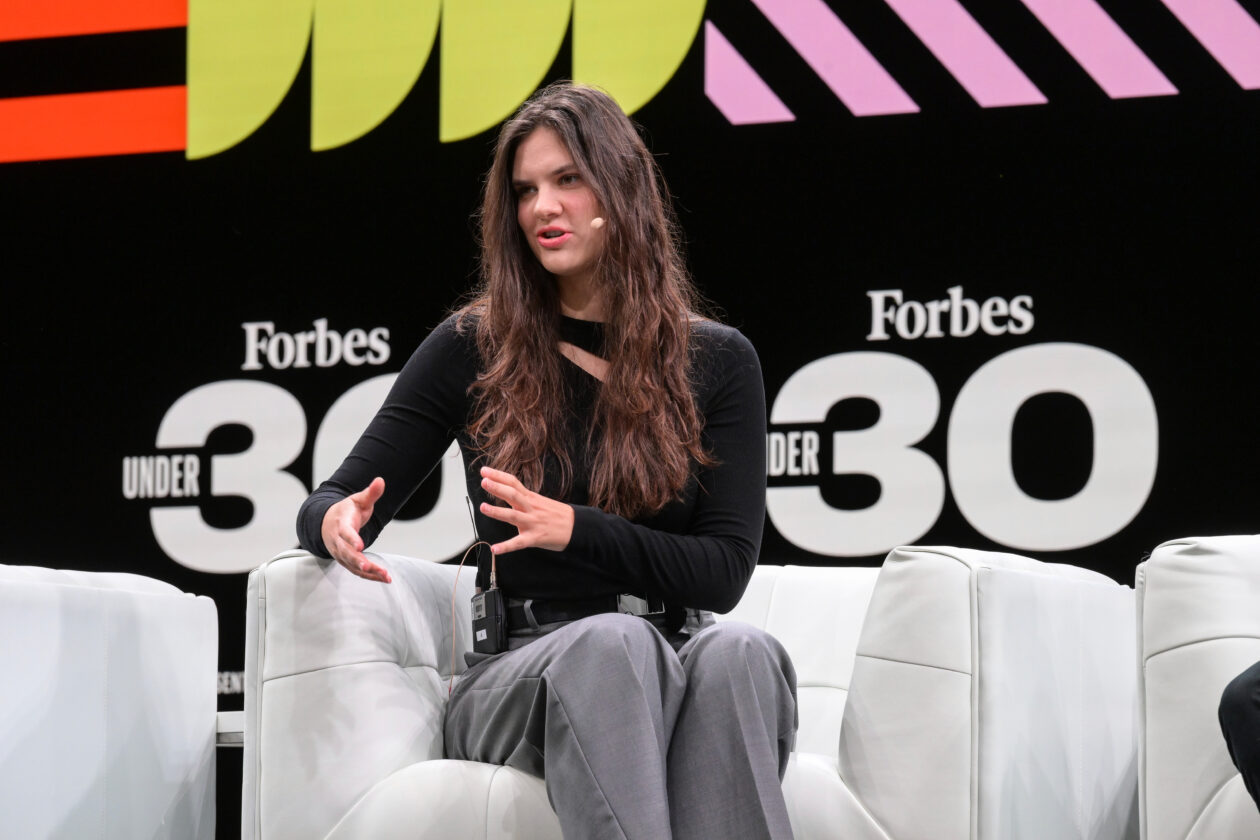
Katherine Sizov isn’t your typical tech entrepreneur. At just a young age, she traded the sterile world of neuroscience labs for something more hands-on and urgent. Picture this: a bright, curious woman in her early 20s, poring over research papers at the NIH, feeling the itch for real-world change. It wasn’t until she read a startling stat—that 40% of food in the U.S. goes to waste—that her path shifted. Suddenly, she saw food not as a lifeless product but as something living, breathing, and desperately in need of better care. “Food isn’t like some dead gadget; it’s alive,” she might say over coffee, her eyes lighting up with passion. This revelation led her from academic hallways straight to grocery store aisles, grilling stock clerks about spoiled peaches and supply chain mishaps. It was the start of a personal odyssey that would shape her into a Forbes 30 Under 30 honoree and the CEO of Strella, a Seattle-based startup that’s quietly revolutionizing how we handle produce.
Flash back to 2019, when Sizov, fresh out of her day job, launched Strella with a mission fueled by that eye-opening food waste figure. She wasn’t just playing CEO; she was living it, drawing on her academic background to blend science with real-world problems. As a 22-year-old at the helm, she plunged into the messy realities of ag tech, building something from scratch. Strella’s core idea? Use smart sensors and cameras to monitor fruits and veggies like a watchful parent, catching spoilage before it ruins shipments. It began with apples and pears from her home turf in Washington state, but her vision expanded fast. By 2026, her team of 21 had tailored solutions for 26 countries, adding citrus and avocados to the mix. They’ve secured $22 million in funding and are on the brink of profitability, but for Sizov, it’s never been about the money alone. Imagine her as that eager innovator, striding through orchards and warehouses, asking pointed questions that peel back layers of inefficiency. Her story is one of humble beginnings turning into a global impact, reminding us that sometimes, the biggest ideas start with a simple “why?”
Diving deeper into Strella’s magic, it’s easy to envision the gadgets at work: tiny IoT devices sniffing out ethylene gas from ripening fruit, cameras scanning for imperfections, all feeding data into software that predicts freshness down to the varietal detail. Packing houses and supermarkets get real-time alerts, turning blind shipping into a precise dance. Sizov speaks with the enthusiasm of someone who’s tasted victory after tough climbs—her company founding a trail in ag tech that feels almost poetic. But the human side shines through in her words: “It’s about treating food with the respect it deserves, not like it’s disposable.” As Strella grows, so does her network of experts, from growers who’ve tended fields for generations to international partners. She’s crafted a narrative where technology meets tradition, creating supply chains that are smarter, fairer, and less wasteful. In a world drowning in tossed-out produce, Sizov’s innovation feels like a lifeline, blending crisp data insights with the warmth of community impact, proving that one person’s frustration can spawn solutions that feed millions.
Yet, behind the polished pitches and investor meetings, Sizov’s journey as a young CEO has been anything but glamorous. She admits it bluntly: starting a startup as a 20-something was a crash course in self-discovery. “You think it’s tough, but it’s your personal growth that’s tested hardest,” she reflects, her tone vulnerable yet resolute. In those early days, she juggled ego and naivety, fumbling through decisions that shaped her leadership. Think of late nights tearing apart her own ideas, rebuilding a stronger version of herself while teetering on the edge of burnout. It’s a relatable tale—every young founder has that moment of doubt, like staring into a mirror and seeing both a trailblazer and a kid overwhelmed by the weight. Sizov emerged not broken, but evolved, turning the grind into a badge of honor. Her story humanizes the archetype of the ambitious entrepreneur, showing that success isn’t just about brilliance, but about weathering the storms that strip away immaturity and forge resilience.
What keeps Sizov ticking isn’t the allure of profit alone; it’s a deeper, soul-stirring purpose. “I couldn’t bear a job that didn’t feel useful,” she shares, echoing the dreams of many who chase meaning over mere milestones. For her, Strella isn’t a business—it’s a bridge to a better world, aligning big-dollar viability with societal good. She’s picked a fight that’s winnable in a capitalist arena, sparking change without endless uphill battles. Imagine her on a stage, not just pitching to VCs, but painting a picture of lasting ripple effects: employees feeling fulfilled, coming to work excited about the difference they’re making. It’s personal for Sizov—her “why” rooted in a belief that life is for doing good, for nudging society toward sustainability. Her human touch makes abstract tech feel approachable, like a friend urging you to rethink your grocery haul. In an era of burnout, she embodies reinvigorated purpose, reminding skeptics that fulfillment and fortune can coexist, especially when your heart’s in the right place.
Looking ahead, Sizov’s legacy whispers of a food system reimagined for the 21st century—a harmonious blend of ancient wisdom and cutting-edge tools. She dreams not of domination, but collaboration: tech outsiders partnering with weathered growers, 11th-generation experts sharing insights with data-driven novices. “It’s about honoring what they know and amplifying it,” she explains, her voice warm and inclusive. On the climate front, where problems span oceans and interests clash, Sizov sees hope in unity. “Food waste isn’t just one company’s mess; it’s a chain of ‘guardian angels’ passing it along,” she muses, advocating for aligning disparate stakeholders toward a shared, massive goal. Her vision humanizes the colossal fight against waste and warming, framing it as a collective human effort rather than a solo crusade. As Strella’s influence spreads, Sizov’s quiet optimism lingers: a leader not just building gadgets, but weaving connections that could heal our planet’s pantry. It’s a narrative of fragile yet powerful hope, where one woman’s quest morphs into a movement, encouraging each of us to play our part in this living, breathing story of sustenance and survival.