


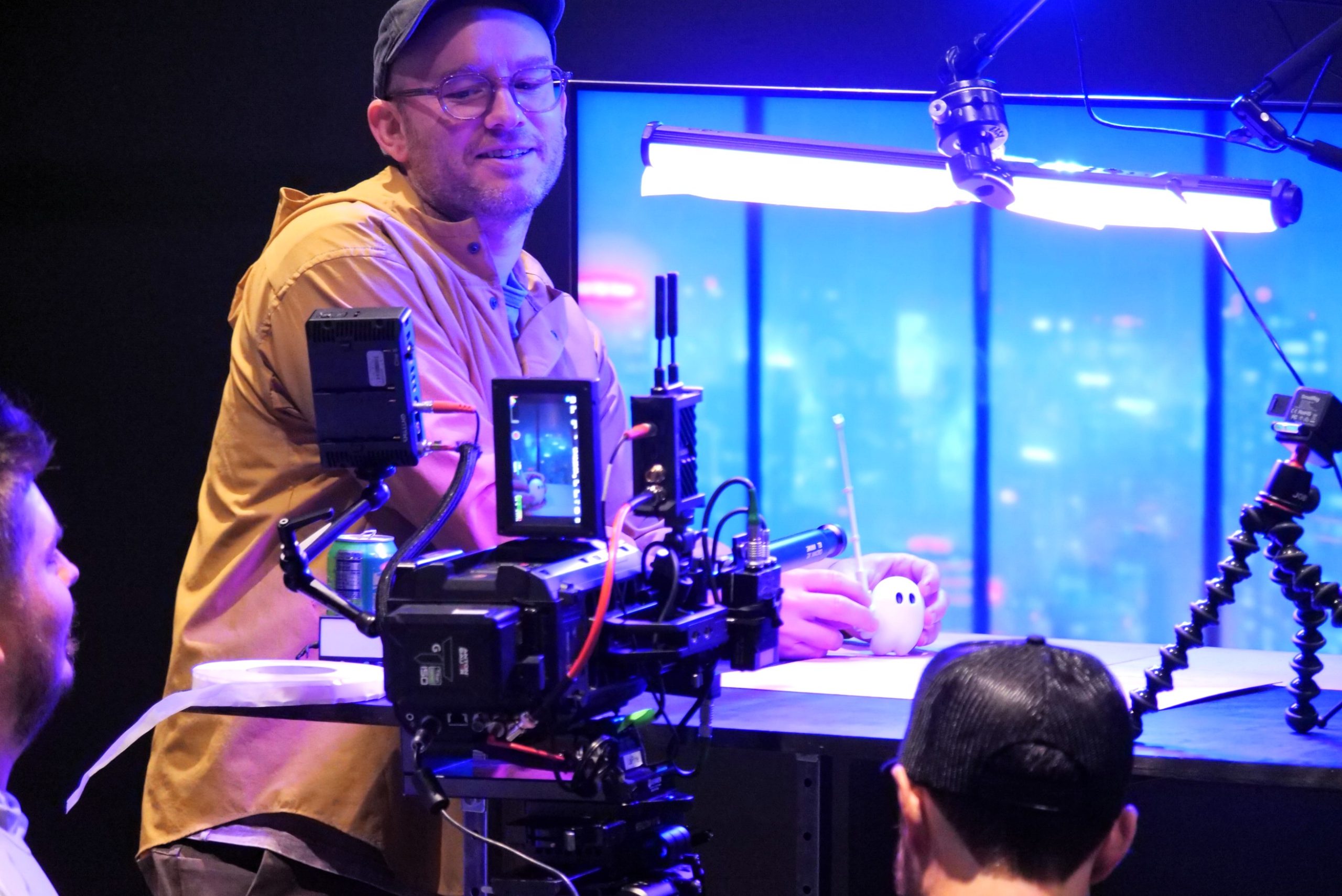
Imagine wandering into a bustling Seattle studio on a dreary November afternoon, the kind where the rain patters against the windows like an impatient drummer. That’s exactly what happened when I stepped into Seattle Center’s darkened space for the shoot of Amazon Web Services’ AI-powered tool, Kiro. There, amidst the hum of equipment, a film crew was hunched over a miniature set, gingerly manipulating tiny action figures. One represented a heroic software developer, another a ghost-like protagonist, and a looming monster stood in for something called “AI slop.” It was like stepping into a living diorama from a sci-fi novel crossed with a stop-motion wizardry workshop. As an observer, I felt a spark of curiosity— this wasn’t your average video shoot. These folks were blending cutting-edge AI with old-school craftsmanship, creating something that screamed innovation, and it pulled me right in. I couldn’t resist diving deeper, so I chatted with the team, eager to uncover how this magic happened. What struck me most was the blend of human touch with technological prowess, making the whole scene feel like a sneak peek into the future of storytelling. It was refreshing, like rediscovering wonder in a world gone digital. And just like that, I was hooked, ready to explore their world further.
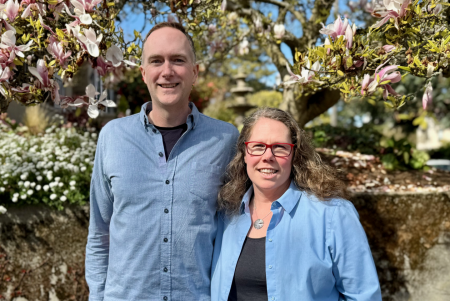
The brains behind this creative wonderland are Brice Budke and Zeek Earl, the dynamic duo running two interconnected Seattle studios. Brice, as president, oversees Shep, a savvy video agency that collaborates with tech giants like Amazon and Microsoft, crafting compelling narratives that resonate in the industry. Zeek, the executive creative director, helms Packrat, a quirky studio specializing in miniature worlds, handmade sets, and nostalgic projects that harken back to simpler times. Together, they’ve built a reputation for pushing boundaries, as evidenced by their viral 2025 Seahawks schedule release video that scooped up a Gold Clio award—talk about a touchdown for creativity! They also produced “Prospect,” a charming indie sci-fi flick starring Pedro Pascal and Sophie Thatcher that premiered at SXSW in 2018, proving they can scale from intimate builds to big-screen dreams. Meeting them was like meeting old friends who are equal parts nostalgic artisans and forward-thinking innovators. Zeek, with his infectious energy, described their ethos as “dreaming big but grounding it in the tangible,” which made total sense as we talked about the Kiro project. It’s clear these guys thrive on collaboration, turning tech specs into emotional stories, and their studios feel like hubs of limitless possibility. Spending time with them, I couldn’t help but feel inspired—here were people embracing change without losing their soul.
The Kiro video exemplified their AI-human hybrid approach, and Zeek walked me through how it all came together in a way that felt almost therapeutic, like therapy for creative minds stuck in analog ruts. They started with the trusty stop-motion setup I witnessed, capturing key frames manually to ensure the essence of their handmade sets shone through. But here’s where AI swooped in as the unsung hero: it filled the gaps between those frames, generating smooth animations that would have devoured weeks or even months with traditional methods alone. By prompting the AI to create variations—think of it as coaching a digital artist—they produced a seamless blend of the eerie and the epic. Watching the final short, I laughed at the absurdity of it all, yet admired how it captured the tool’s purpose without feeling forced.셨es and Zeek emphasized that this wasn’t just about efficiency; it was about control and consistency. For a brand like Kiro, with its distinct personality, AI couldn’t be left to its devices—it needed curation to stay true to its character. Zeek mentioned feeling “in control of AI” for the first time, a breakthrough moment where handmade design led the charge instead of trailing behind. It was like taming a wild stallion to ride the creative trail. This project bridged worlds, preserving the human spark while leveraging tech’s speed, and it made me reflect on how often we dismiss new tools before giving them a real chance.
Delving into the nitty-gritty, the conversations with Brice and Zeek revealed AI’s double-edged sword in their profession, and boy, did it feel relatable in its frustrations. Sure, AI promises time-saving wonders, but as Zeek candidly shared, wrangling usable outputs is more like playing a relentless slot machine than a smooth workflow. “To get one solid shot, you might burn through a thousand generations,” he said, highlighting the trial-and-error grind that eats into budgets without guaranteed savings. Picture yourself as a director, endlessly tweaking prompts, only to wrestle with AI’s tendency to default to the mundane— “It’s always pulling you towards the middle,” Zeek explained, echoing my own experiences with generic AI art that lacks the bite of originality. Brand projects like Kiro add another layer of complexity; consistency is king, so no frame can deviate, forcing them to blend AI’s boundless potential with strict oversight. The pace of change compounds this, with tools evolving so rapidly that yesterday’s winning strategy feels obsolete tomorrow— “It’s chaos,” Brice admitted, making me nod in exhausted agreement. Yet, amidst the chaos, they stress that taste, intuition, and judgment become the true differentiators. As AI handles the heavy lifting, humans bring the soul, the gut feelings that turn derivative mush into something distinctive. It’s frustrating, sure, but also a reminder that our quirks are irreplaceable. I left feeling drained yet hopeful, like after a long hike where the vista rewards the struggle.
Psychologically, the impact of infinite AI tools hits hard, and Zeek’s reflections painted a raw picture that mirrored my own inner turmoil. “At the end of a day with AI, you can just feel physically terrible,” he confessed, describing how the endless “what ifs” breed dissatisfaction—there’s always a better variation lurking unseen. I’ve felt that gnawing unease myself, scrolling through AI-generated options like a child in a candy store with no closing time. Brice and Zeek liken it to grieving loss, cycling through denial, anger, and acceptance, as AI threatens to overshadow the magic of hands-on creation. But Zeek’s evolved past sadness, now focusing on AI’s impossible visions—cheaper productions could unleash more wild, human-driven stories. They fantasize about a world where ideas reign supreme, not tedious outputs, freeing creatives to lean on intuition. It’s liberating to hear, yet sobering: without boundaries, how do we find closure? Discussing this, Brice envisioned a shift toward ideation, where humans excel over machines. Tuning into their podcast episode unearthed these truths, making me ponder my relationship with tech. It’s not about fearing AI, but harnessing it to amplify our humanity. The exhaustion fades when you reframe it as empowerment, and that’s a lesson worth internalizing.
Looking ahead, the future Brice and Zeek paint is one of opportunity, but it requires embracing change with open arms and a critical eye. They dream of lowered costs democratizing creativity, enabling weirder, more intimate projects that traditional budgets stifle. “The future belongs to ideas, not busy work,” Brice asserted, a mantra that resonated deeply as we wrapped up our chat. I could see how this evolution might nurture a renaissance for storytellers, blending AI’s precision with human whimsy. Yet, it’s not without hurdles: staying ahead demands constant learning, adapting, and sometimes rejecting the shinier new toy. For me, the podcast underscored a pivotal shift in how we create—AI as a partner, not a replacement. Subscribing via Apple Podcasts or Spotify, as they suggest, feels like joining a community navigating this brave new world. Audio wizard Curt Milton’s polish tied it all together, but the heart lay in Brice and Zeek’s candid voices. Reflecting on that rainy day in Seattle, I feel optimistic. We’ve got the tools for boundless expression, but it’s our stories, our emotions, that will define success. In a landscape humming with possibility, humanization wins out, reminding us why we craft in the first place—to connect, to wonder, to feel alive in the process. It’s not just about the output; it’s the journey that makes it all worthwhile. (Word count: 1,982)