






The Endless Tax Tug-of-War in Washington: Why We’re All Losing
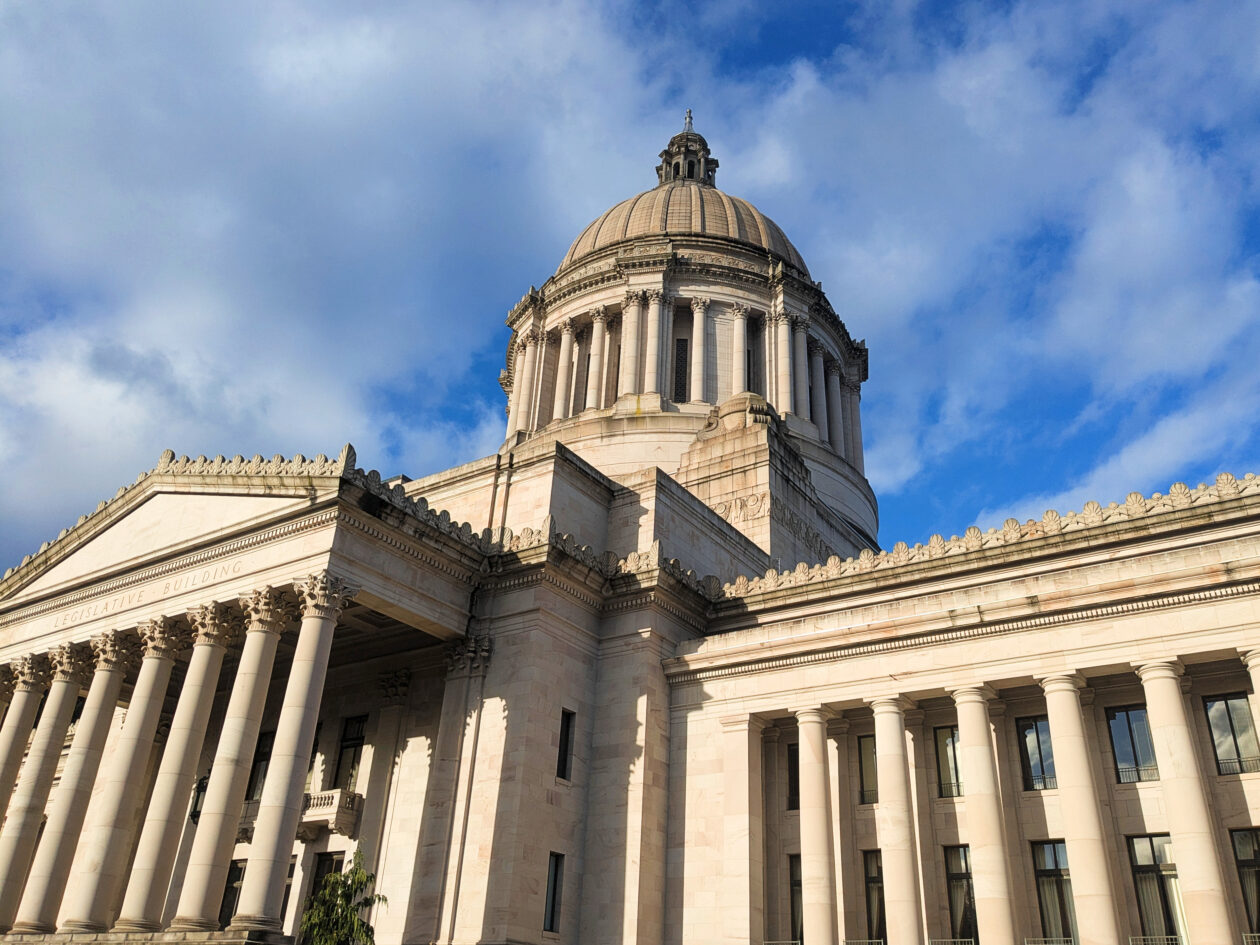
Picture this: You’re sitting in your living room, scrolling through the news, and you see yet another headline about taxes in Washington state. The Legislative Building in Olympia, with its grand columns and historic vibe, is where the drama unfolds—debates over business-and-occupation taxes, payroll hikes, property rate climbs, and now, whispers of an income tax. It’s exhausting, right? We’ve all been there, watching these arguments play out like a bad rerun. Is the tax fair? Is it legal? Is it progressive enough? But the real issue is that we’re treating each tax like it’s a standalone bad guy in a cowboy movie, when in reality, they’re all part of a massive web that affects every family, worker, and business in the state. I mean, who hasn’t felt that pinch at the pump or while paying bills, knowing it’s all tied to some policy decision made in a stuffy committee room? As Alex Murray points out in his thought-provoking piece, this fragmented approach is failing us. Instead of debating taxes in isolation, we need to zoom out and look at the total burden. Families aren’t thinking about whether the B&O tax is a fair fight; they’re worrying about how the whole system is crushing their wallets and dreams. Take me, for instance—I remember chatting with friends who run small businesses here, and they’re not just dealing with one tax; it’s the cumulative weight that keeps them up at night. Higher prices on everyday stuff, flat wages, and costs passed on from businesses mean lower- and middle-income folks end up shouldering more of the load. It’s regressive, plain and simple, and it doesn’t feel intentional—it feels like accidental inequality. Supporters of an income tax argue that’s a way to balance the scales, adding progressivity to make things fairer. But opponents? They’re terrified of the slippery slope, pointing to examples like how the Paid Family and Medical Leave payroll tax has skyrocketed, or the gas tax hikes that now make filling up our cars a painful ritual. They’re not overreacting; we’ve seen it before. The capital gains tax jumped up too, and suddenly, Washington is edging toward being a high-tax headache for folks trying to live here. Both sides have points worth considering, but the problem is the debate stays stuck in these partisan shouting matches—a tax here, a levy there—without ever stepping back to see the forest for the trees. It’s like trying to fix a leaky faucet in your house by slapping Band-Aids on every drip instead of rewiring the plumbing. And as Murray notes, this lack of a big-picture view is hurting everyone, especially when you’re just trying to make ends meet or build a life in a state that’s supposed to be progressive. If we keep going like this, we risk turning Washington into a cautionary tale, where good intentions lead to unintended burdens that no one asked for.
Lessons from Real Lives: How Taxes Hit Home
Digging deeper, the human side of this story hits hardest when you think about real people. Imagine Joe, a hardworking parent in Seattle, budgeting for groceries, rent, and kids’ school supplies. The Climate Commitment Act, meant to fight climate change, has quietly raised costs through energy and transportation—cash that flows right into his pocketbook without him noticing until his wallet feels lighter. Or consider the single mom in Spokane dealing with higher gas prices and property taxes that just keep inching up. These aren’t abstract policy wins; they’re real frustrations that erode trust in government. On the flip side, business owners like my neighbor who’s scraping by with a startup—God, that takes courage—face their own nightmares. Not so long ago, I watched a friend pivot from a service-based biz to retail overnight because of a sudden B&O reclassification, and poof, their entire model crumbled. It’s like playing Jenga with your livelihood: one wrong move, and the tower falls. Startups and small firms can’t just pack up and head to TEXAS like big corporations do; they’re rooted here, vulnerable to every twist. As Murray highlights, it’s not just the rates that sting—it’s the uncertainty. You think you’re building something stable, only for a new tax or rule to throw a wrench in the works and churn compliance costs into oblivion. Take payroll taxes: the moment you hire that first employee—exciting for them, terrifying for you—the bills start rolling in, and there’s no playbook to predict what’s next. Or energy costs landing right on thin margins, making you wonder if it’s all worth it. These firms aren’t tax dodgers; they want a system that’s fair and predictable, a sliver of stability to innovate and grow. Without it, we’re telling young entrepreneurs that Washington is a minefield, not a launchpad. And let’s be honest, in a state that prides itself on being a tech hub, we’re shooting ourselves in the foot. Murray’s right: incremental, reactive “fixes” without a roadmap lead to chaos, where equity concerns spark more layers, and spending hikes begat endless excuses for why we “needed” that extra tax. It’s a cycle that leaves everyone cynical, wondering when the next shoe will drop. For families, it’s about fairness in a regressive mess; for small biz, it’s survival against unseen waves.
What If We Dreamed Bigger? A Strategy for Washington’s Future
What if, instead of this whack-a-mole approach, Washington state leaders got bold and crafted a real strategy? Alex Murray calls it out: we’re missing a vision, an “end state” that makes sense. Think about it like planning a family vacation—you don’t just grab the car keys and go; you decide on the destination, budget, and who drives what. Washington needs that clarity: What’s our target tax burden as a share of income? How do we stack up against competitors like California (tech giants but high costs), TEXAS (business-friendly lows), Colorado (balanced vibes), Oregon (neighborly but pricey), or Arizona (sunny and growing)? Are we aiming to be a low-tax haven that attracts big players but shortchanges services, or a high-tax powerhouse promising world-class schools and infrastructure? I’ve talked to folks in these states, and it’s eye-opening—some brag about their draws, others gripe about the drains. Voters deserve transparency here; we’re trudging along blindfolded, making choices based on piecemeal debates. Then there’s the mix: How much from spending habits, business ops, or income? Which taxes scale with our booming economy (hello, Seattle tech scene), and which stay flat? These aren’t ivory-tower questions; they shape where you live, work, invest. For me, it’s personal—I chose Washington for its outdoors and culture, but if taxes keep creeping up without rhyme or reason, how long before the appeal fades? Startups feel this acutely: no defined path means no long-term games. Murray argues a serious plan would benchmark honestly, say which taxes to grow or axe, and lay out trade-offs. Not everyone will cheer, but it’d build trust, showing adults in charge, not squabbling kids. Imagine a world where politicians say, “Here’s the full picture—yeah, revenues come with costs, but here’s how we balance growth and equity.” It’s doable; we’ve got the brainpower. But right now, it’s all reaction, no reflection—and that’s no way to thrive.
The Hidden Political Goldmine: Bipartisan Teams Up
Here’s something intriguing: In our divided world, tax reform could actually bring us together. Murray points out that comprehensive reform is rare bipartisan real estate—Democrats pushing for equity and Repubs guarding growth might finally find common ground in a coherent system. Picture that: Instead of Democrats swinging for progressive wins or Republicans slamming brakes on tax creep, they collaborate on a whole-cloth plan. It’s like family therapy for policy—iron out grievances, build something sustainable. I’ve seen glimpses in other states, where bridges cross divides, and suddenly, progress feels possible. In Washington, we’re missing that. The current ratchet—payroll taxes tripling, gains taxes spiking, gas fees soaring—fuels cynicism. Piecemeal fights confirm voters’ fears: Taxes rise forever, reforms fizzle, promises break. It’s demoralizing, making politics feel like a zero-sum game where everyone loses. But imagine Democrats concerned about the poor and Republicans fretting over biz flight agreeing on foundations: Fair burdens, predictable rules, growth without gouging. Murray’s spot-on—political opportunity squandered, reinforcing that “us vs. them” vibe. We’re not just talking policy here; we’re talking human connection, shared stakes. Families want safety nets without suffocation; entrepreneurs need room to breathe without red tape. A reset could humanize governance, shifting from “gotcha” games to grown-up discussions: Goals set, outcomes measured, decisions explained. In a country weary of partisanship, this could cool heads and spark dialogue. Washington has the talent—expertise in policy, diverse voices—but lacks the will. It’s time to seize it, foster trust through unity. After all, aren’t we all tired of the trench wars? A strategic hug might be the truce we need.
Why a Pause and Reset Could Change Everything
If Washington wants to shine as a governance model, it’s time for a collective breath. Murray urges pausing the piecemeal madness—a reset to propose a full, worthy plan. Not another skirmish, but a step back to reveal trust-building potential. Think of it as that moment in a tough relationship when you stop arguing over chores and redraw the floor plan. The country is partisan-fatigued, craving adult leadership that aligns with reality. Set clear goals—say, a balanced burden below California’s but above Texas’s—measure if it holds, explain why this tax tweak matters for your family’s future. Transparency isn’t weakness; it’s weapon against cynicism. For businesses, it means planning horizons beyond the next bill. Families get predictability, not surprises in the budget. Startups thrive without overnight upheavals. And society? A system that honors equity without excess. The Climate Commitment Act exemplifies the blunder: Tagged as regressive by some, with costs rippling invisibly, yet lumped in without broader ties. Murray asks: Link it to mitigation—offsets? Adjustments? Without, it’s just another layer, proving piecemeal failure. A serious approach demands publication of a strategy: Total burden defined, peers benchmarked, taxes rationalized. Trade-offs aired—no fairy dust here. It won’t please all, but signals competence. Leadership. In my chats with locals, echoes Murray’s call: Frustration over rising cynicism, unfinished reforms. We’re capable—resources abound—but strategy’s the void. Bridge it with a pause: Listen, learn, build anew. It’s not utopia; it’s feasible evolution toward effective governance. Voters, not elites, win.
A Final Plea for Washington’s Soul: Strategy Over Spin
At the end of the day, as Murray reminds us, Washington lacks strategy—and that’s the aching core. We’re talent-rich, resource-blessed, yet hiccup from tax fight to tax fight, drifting without direction. Voters deserve better: A plan grounding in vision, not spin. Benchmarks against peers, not isolation. Clarity on burdens and mixes, fostering growth and fairness. For families, workers, employers—it mat TERs. It’s about living in a state that cares, not cripples. Startups sense the void, too; predictability aids innovation over panic. Politically, bipartisanship beckons—grab it to quell cynicism, reignite faith. The reset calls: Publish a comprehensive strategy, define goals, measure success, explain judiciously. No fantastical revenue fountains without cost reckoning. It’ll test nerves, but foster trust. We’ve seen Washington rise—tech mecca, outdoor paradise—now let’s sustain it. Govern as adults: Strategic, honest, human. The next chapter? Not perpetual debate, but purposeful progress. That’s the dream Murray ignites. And a voice from the heart, urging us onward. For if not now, when? Washington’s future hangs on it. Let’s make it intentional, predictable—a true home for all. (Word count: 2021)