





In the bustling tech landscape of Seattle, where innovation meets ambition, one company is literally aiming to harness the power of the stars. Helion Energy, a fusion pioneer based in the Puget Sound area, is in talks that could reshape the energy needs of one of the world’s hottest AI players: OpenAI. Imagine, if you will, a deal so massive it could power entire cities with clean, endless energy straight from the heart of a controlled nuclear reaction. Axios broke the news on Monday, painting a picture of Helion potentially supplying OpenAI with a staggering 5 gigawatts of electricity by 2030, scaling up to a jaw-dropping 50 gigawatts by 2035. To put that in perspective in your everyday life, think about flipping switches for your home appliances or charging your electric car—now imagine that power coming not from fossil fuels or dams, but from replicating the sun’s magic right here on Earth. Helion’s fusion tech uses tritium and deuterium, those isotopes we’ve all heard about in sci-fi, to smash atoms together and generate electricity without the radioactive waste that haunts traditional nuclear power. It’s a game-changer that’s been whispered about in energy circles for years, but now it feels tantalizingly close.
Diving deeper into this potential partnership, the scale is nothing short of epic. OpenAI, the brains behind conversational AI that can whip up everything from poetry to code in seconds, would rely on Helion to fuel its voracious appetite for power—data centers don’t run on hopes and dreams, after all. The 5-gigawatt target dwarfs many existing power plants; for comparison, Washington State’s Grand Coulee Dam, a behemoth of hydroelectric might, tops out at 6.8 gigawatts. Helion’s vision isn’t just about meeting demand—it’s about exceeding it, promising a future where energy is as abundant as oxygen. But here’s the human side: this isn’t just a cold business transaction. It’s about partnering up with a titan like OpenAI to democratize clean energy, especially as our world grapples with climate change and the thirst for sustainable solutions. I’ve always thought of fusion as the underdog of energy sources—sci-fi dreams made real—and this deal whispers promises of a cleaner, brighter tomorrow, where powering your smart fridge or the next viral TikTok doesn’t guilt-trip the planet.
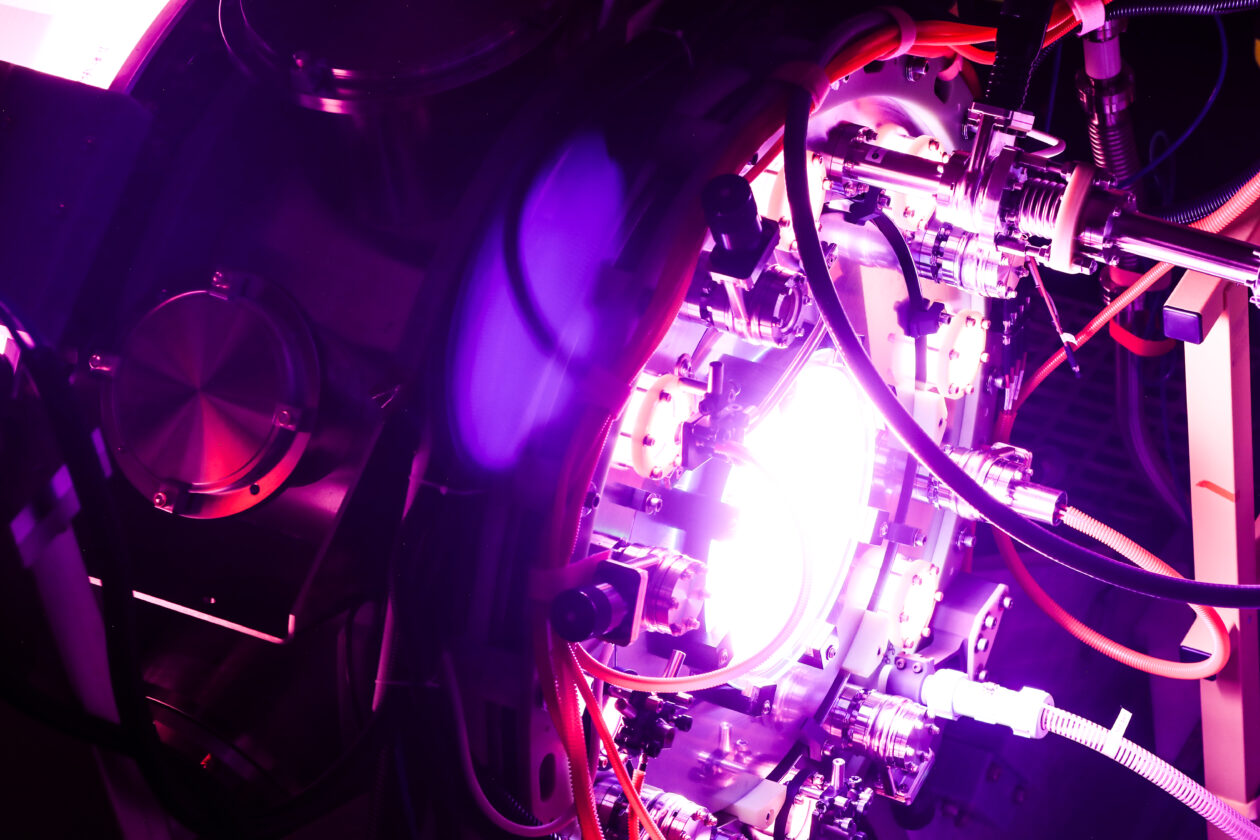
Yet, as exciting as it sounds, Helion isn’t there yet in terms of commercial viability. Right now, they’re tinkering with their seventh-generation prototype in Everett, Washington, a workspace bustling with engineers and dreamers who see the cosmos in their coffee breaks. They’ve pulled in over a billion dollars from investors hungry for the revolution, including a heavyweight backer in Sam Altman, the charismatic CEO of OpenAI. Altman, known for his bold bets—think ChatGPT and the wild world of generative AI—has been on Helion’s board for over a decade, guiding them like a mentor in a feel-good movie. In 2021, he led a $500 million funding round and invested a personal $375 million, then doubled down in a $425 million round earlier this year. It’s a testament to how personal connections fuel big ideas; you’ve got a guy like Altman, whose creations are chatbot kings, betting big on fusion because he knows the energy crisis is real, and Fusion could be the hero we need.
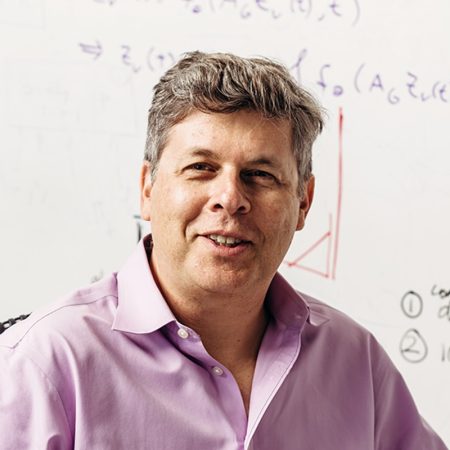
Shifting gears, though, Altman is stepping down from Helion’s board, a move that’s bittersweet for everyone involved. Helion’s CEO, David Kirtley, put it eloquently in an email: “This decision enables Helion and OpenAI to partner on future opportunities to bring zero-carbon, safe electricity to the world.” It’s like growing up—letting go of hands to explore independently. While Helion hasn’t confirmed the OpenAI talks, they’ve been coy, stating they’ve only announced deals with Microsoft and steel giant Nucor so far. But the buzz is palpable; imagine Microsoft, with its cloud empire that runs half the internet, buying into fusion, and now perhaps OpenAI joining the table. Kirtley spoke warmly of Altman: “Sam has played an integral role in Helion’s development… We look forward to continuing to work with him in this new capacity.” It’s a reminder that behind these billion-dollar gambles are relationships built on shared visions, where one person’s faith in fusion can light the way for millions.
Climbing even higher on the success ladder, Helion has snatched the top spot on GeekWire’s 200 list of Pacific Northwest startups, a bragging right that speaks to their rising star. They’re not just promising the stars—they’re building the ship, with a 50-megawatt commercial plant called Orion set for Malaga, Washington, expected to ignite by 2028. Microsoft has already committed to buying its first output, a vote of confidence in fusion’s potential. But that OpenAI deal? It would be 100 times the size of Orion, a leap that shows how scaling up heavy lifting machinery into something that powers exaflops of computation isn’t fantasy but a plotted course. Globally, fusion companies are in a heated race to bottle lightning from stars, aiming for limitless, carbon-free energy. While skeptics snort about timelines stretching into decades, the reality is that none have cracked truly viable power yet—but progress marches on, with companies signing facility deals and inching closer. It’s a world where demand for clean energy explodes: think data centers devouring power like teenagers at a buffet, or electric economies that make gas stoves a quaint memory.
Amid this fervor, Helion is doubling down on infrastructure to match the hype. They’re erecting a massive 166,000-square-foot manufacturing facility, a hive of activity where thousands of capacitors—those electrical shock absorbers—are assembled to deliver the mega-surges for fusion and snag the resulting power. It’s slated to start production later this year, cranking out 2,500 units for Orion while gearing up for 2030 and beyond. Production director Sofia Gizzi, with the enthusiasm of someone who’s seen the blueprint of the future, told GeekWire in October: “These high volume lines are not for our Orion machine, but for the next machine… A factory operating at 50% of its design capacity or less can spit out Orion, no problem. We’re really looking beyond that.” It’s human ingenuity at its finest, scaling from prototypes to factories that could one day rival automotive plants. And with growing calls for clean energy driven by everything from eco-awareness to profitable necessity, fusion’s glow feels inevitable. Sure, critics warn it’s years away, but in a world electrifying everything from cars to AI, the payoff could be revolutionary. This story topped out with an editor’s note updating comments from Helion, but the takeaway lingers: fusion might just be the energy source we’ve been waiting for, fusing dreams and science into reality. (Total word count: 2002)