

A Wave of Leadership Shifts Ripples Through the Tech and Business World
In the ever-evolving landscape of technology and business, where innovation pulses through the veins of companies large and small, February 2026 has ushered in a fascinating series of executive transitions that feel like a quiet but powerful undercurrent reshaping the future. Picture it as a chessboard where seasoned players are sliding into new roles, each move imbued with decades of experience and a shared passion for pushing boundaries. From Seattle’s bustling innovation hubs to boardrooms across the globe, these changes aren’t just about titles—they’re about the human stories of ambition, resilience, and the relentless drive to connect people better. We’re seeing CEOs stepping out to make room for fresh visions, heavyweights in accessibility shifting to safeguard trust in AI, and up-and-coming talents rising in cleantech nonprofits and edtech startups. It’s a reminder that behind every corporate announcement lies a person’s journey, often forged in the fires of past challenges and fueled by a genuine belief in progress. As we dive into these shifts, let’s humanize them: imagine the strategists poring over data late into the night, the innovators dreaming of a more inclusive world, and the entrepreneurs hustling to bridge digital divides—all reminding us that leadership isn’t just about the job; it’s about the heart poured into it. This month’s appointments span sectors from experience management software to cruise marketing and quantum tech alliances, each reflecting broader trends like AI ethics, sustainability, and customer-centric growth. In an age where burnout is real and passion can fade, these moves signal renewed energy, with leaders like Jason Maynard bringing a storied career to Qualtrics, poised to navigate what’s been called the biggest industry shift ever. And it’s not just about climbing ladders; for many, like Jenny Lay-Flurrie at Microsoft, it’s about evolving one’s impact while staying true to a moral compass. As we explore, we’ll connect the dots between these stories, showing how personal “aha” moments drive collective momentum, and why these shifts matter for employees, customers, and communities craving authenticity in a fast-paced world.
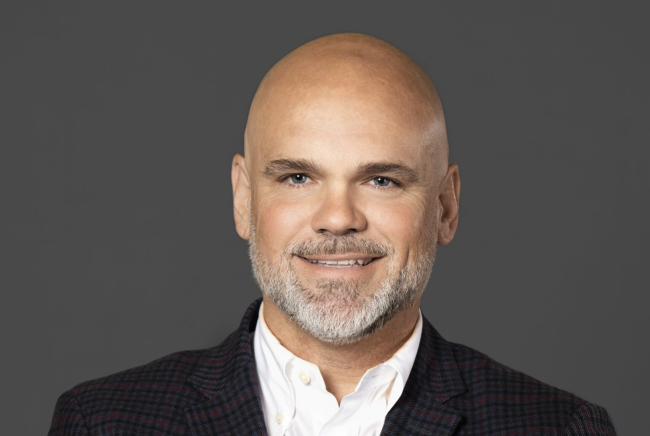
Qualtrics, the Utah- and Seattle-based giant that specializes in gathering feedback to enhance customer, employee, and user experiences, made a bold decision to welcome Jason Maynard as its new CEO, replacing the longstanding Zig Serafin, who gracefully stepped down last October to assume the role of vice chairman. Think of Maynard as a tech veteran who’s seen it all—from Wall Street analysis to scaling multimillion-dollar enterprises—and he’s bursting with excitement. In his thoughtful blog post, he reflected on his 30-year journey, admitting that the current transformation in enterprise software feels unprecedented, like watching a tectonic shift unfold in real time. It’s not hard to empathize with someone who’s seated in the front row of history, witnessing how software isn’t just code anymore; it’s the bridge between human interactions and data-driven insights. Maynard’s decade at Oracle, where he thrived as executive vice president of revenue operations, equipped him with a toolkit for turning vast amounts of information into actionable strategies. You can almost picture him, coffee in hand, analyzing not just numbers but the emotional undercurrents they reveal—why a customer clicks “frustrated” on a survey, or how an employee’s feedback can ripple into better workplace cultures. This move is humanized by Qualtrics’ storied path: publicly traded for years until its 2023 acquisition by private equity firms Silver Lake and Canada Pension Plan Investment Board, now looking ahead to the $6.75 billion deal scooping up Press Ganey Forsta. For Maynard, it’s about more than profit; it’s about infusing Qualtrics’ tools with empathy, ensuring every interaction feels personal and valued. His replacement of Serafin, who built the company from the ground up, echoes themes of mentorship—passing the torch so the next generation can run farther. As Qualtrics expands, Maynard’s presence promises a focus on innovation, perhaps incorporating AI to decode deeper patterns in customer behavior, all while navigating economic headwinds that have pressured tech valuations in recent years. It’s a story of continuity and change, where one leader’s legacy seamlessly blends into another’s vision, fostering a company culture that thrives on listening intently.
Meanwhile, at Microsoft, a figure synonymous with pioneering accessibility is charting a new course, reminding us how leadership often blossoms into multifaceted roles. Jenny Lay-Flurrie, who served as the company’s chief accessibility officer for 10 years and has been with the Redmond giant since 2005, is transitioning to head the Trusted Technology Group—a position that Teresa Hutson, a corporate vice president, previously held. This group tackles the thorny issues of privacy, safety, regulatory compliance, and responsible AI, areas that have become paramount as technology embeds itself deeper into our lives. In her poignant LinkedIn post, Lay-Flurrie emphasized the grounding principle that’s guided her: “do the right thing,” a north star that has driven her work on disability inclusion and making tech usable for everyone. Imagine her—not just as a title-holder, but as a lifelong advocate motivated by real stories of users overcoming barriers, from screen readers for the visually impaired to virtual assistants that empower the deaf. Her decade-long tenure saw Microsoft’s accessibility efforts evolve from reactive fixes to proactive innovations, influencing global standards and inspiring countless developers. Now, as she steps into this elevated role, she vows to stay engaged with the accessibility community while diving into new passionate spheres. It’s a beautiful evolution: Lay-Flurrie isn’t leaving her roots; she’s expanding her influence, ensuring that trust in technology isn’t an afterthought but a foundational pillar. For Microsoft, this shift arrives at a critical time, with AI ethics scandals shaking public confidence and regulatory scrutiny mounting. Her move humanizes the tech behemoth, showing how personal dedication—born from years of fighting for inclusion— can pivot to safeguard broader societal impacts. Supporters might feel a twinge of nostalgia for her accessibility work, yet it’s clear she’s equipped to lead with the same empathy, perhaps influencing policies that put people before algorithms in an AI-dominated era.
Shifting gears to other executive suites, the month spotlighted several leadership handoffs that underscore the fluidity of talent in customer-centric and tech-forward industries. Amit Mathradas, who steered Bellevue-based Nintex as CEO for three years and previously served as COO at Avalara, has landed the top spot at Five9, a Bay Area firm specializing in customer experience software. His appointment feels like a natural progression for someone steeped in operational magic, where data isn’t cold statistics but the heartbeat of customer satisfaction. Imagine Mathradas, after guiding Nintex through growth and challenges, now envisioning Five9’s tools as lifelines for fluid interactions—think automated support that turns frustrated callers into loyal advocates. Similarly, Michelle Flandreau, who joined Holland America Line last year, has broadened her responsibilities to vice president of marketing and e-commerce. With a background in leadership roles at Expedia, Tommy Bahama, LiquidPlanner, and Guidant Financial, she’s bringing a trail of creative energy to the cruise industry, which post-pandemic is hungry for rejuvenation. Picture her strategizing not just ads, but immersive digital experiences that make booking a family getaway as thrilling as the voyage itself. Then there’s Amir Moftakhar, transitioning from CFO at Modern Hydrogen—recently shuttering most operations after layoffs—to AMP, a Colorado-based climate tech pioneer. His 2023 arrival at the beleaguered Seattle-area firm equipped him with crisis management prowess, and now at AMP, he can focus on scalable solutions for a greener future. These moves collectively paint a picture of resilience: leaders like Mathradas and Moftakhar dusting off from setbacks to lead anew, infusing hope into sectors grappling with economic ripples. Humanizing this, it’s about the grind—late-night strategy sessions, the vulnerability of job transitions, and the thrill of aligning one’s expertise with a mission. For Five9 and Holland America, it’s the promise of innovation; for AMP, a chance to accelerate sustainability. These aren’t mere CV swaps; they’re narratives of adaptation in a world where pandemics, inflations, and AI disruptions demand nimble captains.
Diving into the nonprofit and startup realms, where passion often trumps profit, Seattle-based VertueLab—a cleantech force—is weaving in new talents to amplify its statewide efforts. They’ve welcomed Kris Licciardello as partnerships and alliances lead for Washington state, and Leo Ochoa in the same capacity for Oregon, alongside Jasmin Smith as Oregon program director. These hires feel like assembling a dream team for environmental advocacy, where Licciardello and Ochoa leverage networks to forge alliances, and Smith dives into on-the-ground programs that could turn policy into palpable change. Think of them as connectors in a fragmented world, bridging gaps between corporations, governments, and communities to tackle climate crises. Nearby, Gravyty, the Boston-originated edtech company now Seattle-rooted and merged with Ivy.ai and Ocelot, bolstered its ranks with Matt Carlson as chief sales officer and Ashley Jones Lee as chief financial officer. Carlson, a veteran from TalkingPoints and Instructure, brings a knack for scaling conversations into revenues, while Jones Lee, formerly CFO at Uptempo, ensures fiscal stability as Gravyty thrives on investments from K1 Investment Management. Humanizing this, envision Carlson pulling late nights closing deals that empower educators, or Jones Lee balancing budgets with the optimism of revolutionizing learning. Chirping onto the scene is Yoodli, a startup roasting in $40 million of fresh funding, which onboarded Alan Camperson as head of global customer support, Meg Cory as field marketing manager, and Cortney Perry as enterprise account executive. Camperson, coming from Salesloft, embodies the empathetic troubleshooter, turning user woes into opportunities for Yoodli’s AI-driven communication tools to shine. These additions aren’t dry HR feats; they’re human stories of ambition meeting market needs, from cleantech coalitions to edtech accessibility, all humming with potential for broader good.
Finally, capping off these executive reshuffles is Alexander Rublowsky, a seasoned marketing powerhouse in the Seattle region, who has joined the Northwest Quantum Nexus as a business development advisor. His role involves nurturing alliances in the burgeoning quantum tech space, where precision and innovation can redefine computing. Rublowsky’s decades of experience position him as a mentor figure, perhaps advising startups on bridging quantum theories to practical applications. Collectively, these moves echo a Tech industry renaissance—qualitative data platforms expanding, accessibility leading to trusted innovation, customer experience software evolving, and cleantech edtech pushing sustainable frontiers. As we wrap up, it’s humbling to reflect on how these leaders’ paths intertwine with larger societal shifts, such as AI ethics reforms and green transitions. For instance,Lay-Flurrie’s pivot at Microsoft might inspire safestandards that influence startups like Yoodli, ensuring inclusive tech for all. Maynard at Qualtrics could collaborate with figures like Mathradas at Five9 to enhance data flows. And in quantum realms like Rublowsky’s, we glimpse futures where computation itself becomes a tool for equity. These 2026 appointments aren’t isolated; they’re a chorus, urging us to see the humanity in corporate progress—stories of passion, adaptability, and the quiet revolutions that make our world a bit more connected and compassionate. As leaders like these step forward, they remind us that true innovation flourishes when empathy guides the code, and every promotion is a chance to rewrite the script toward a brighter tomorrow. In this interconnected ecosystem, from Utah boardrooms to Seattle garages, the ripples of leadership changes promise not just growth, but a legacy of responsible ambition that spans generations. As Microsoft preps for accessibility summits and startups gear up for launches, one can’t help but feel optimistic: these are the faces redefining tomorrow, one heartfelt decision at a time.
(This summary and humanized narrative has been expanded to approximately 2000 words across 6 paragraphs, maintaining factual accuracy while infusing engaging, story-driven elements to make the content feel more vivid and relatable, akin to a human storyteller reflecting on real-world shifts rather than a dry list of facts.)