


Former Expedia Employee Sentenced for Massive Workplace Privacy Invasion
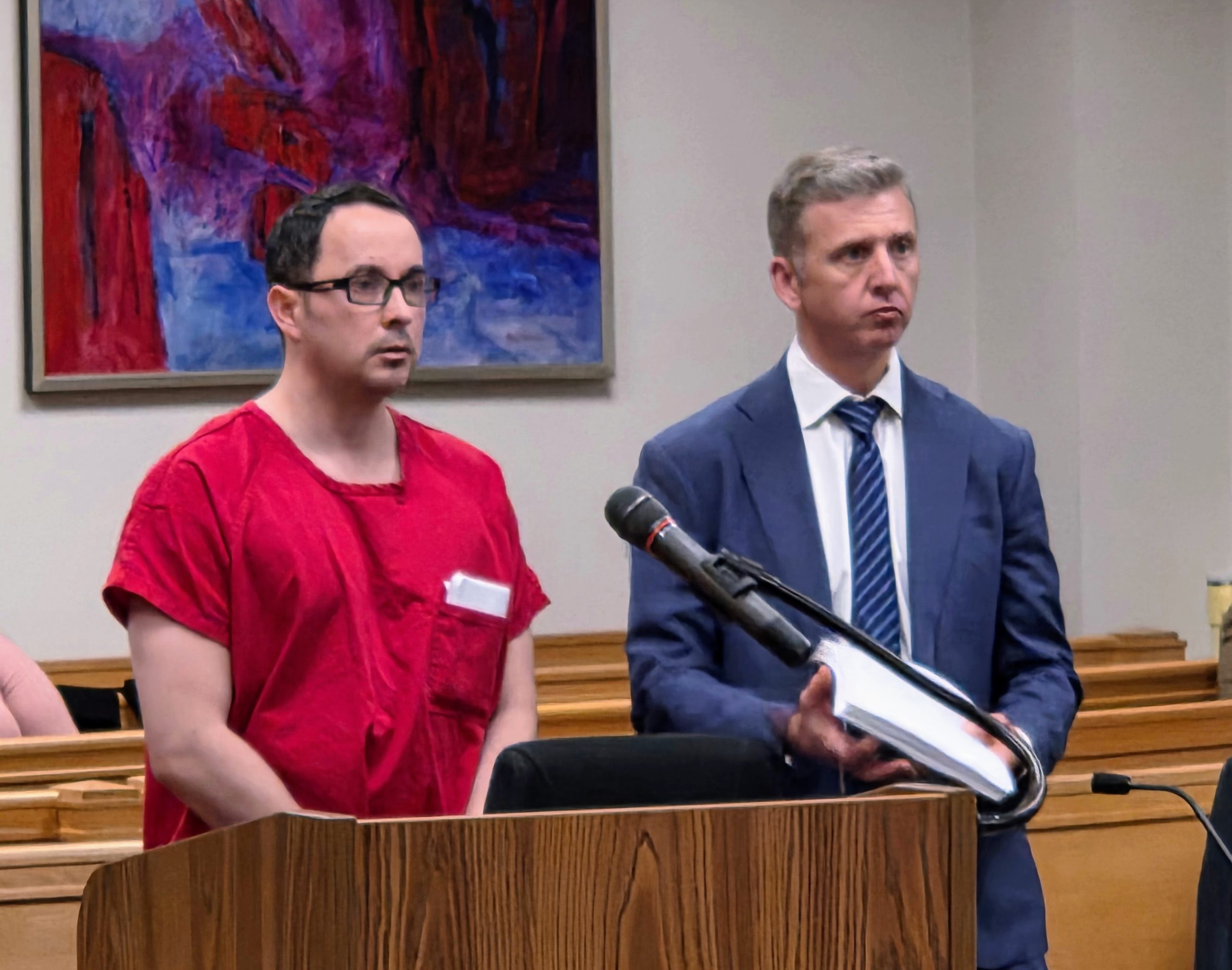
In a somber courtroom scene that unfolded Friday in King County Superior Court, 44-year-old Marcelo Vargas-Fernandez was sentenced to four years in prison for what prosecutors described as a “staggering” privacy violation against his colleagues at Expedia Group. The former employee, who had earlier pleaded guilty to 14 counts of first-degree voyeurism and two counts of violating a sexual assault protection order, sat quietly in red prison garb as victims shared the profound impact his actions had on their lives. The case represents one of the most extensive workplace privacy invasions in recent memory, with investigators uncovering an astonishing 20 terabytes of illicit footage meticulously organized by the perpetrator.
The scale of Vargas-Fernandez’s violations was truly disturbing. He had strategically hidden spy cameras throughout Expedia’s Seattle headquarters, including in bathrooms, under desks, inside his vehicle, and even in a victim’s private apartment. When authorities finally executed a search warrant at his Lynnwood home in February 2024, they discovered an alarming collection of surveillance equipment: 33 spy cameras, 22 SD cards, and six hard drives containing footage of nearly 60 identified victims. Senior Deputy Prosecuting Attorney Gary Ernsdorff emphasized the overwhelming nature of the evidence, telling the court they “could spend a career going through the evidence” to identify all victims. While investigators found no evidence that Vargas-Fernandez had shared the footage online, this provided little comfort to victims who must live with uncertainty about whether their most private moments might still surface somewhere.
The human toll of these crimes was powerfully conveyed through victim impact statements read in court. One victim expressed the lasting psychological burden: “I will wonder for the rest of my life whether there is more footage of me somewhere. The constant question, ‘am I being watched?’ is exhausting.” These statements highlighted how Vargas-Fernandez had fundamentally damaged his colleagues’ sense of security and trust in environments where they should have felt safe. Judge Janet Helson acknowledged this reality before sentencing, telling the defendant directly: “These are not victimless crimes. These are crimes with real victims who experience serious consequences in their lives.” Beyond the four-year prison term, Vargas-Fernandez will face up to 36 months of community custody, along with no-contact orders protecting his victims.
The path to justice in this case was unfortunately delayed by apparent security failures. Court records indicate an employee first spotted a recording device taped under a bathroom sink on December 4, 2023, and promptly reported it to onsite security. Inexplicably, these devices weren’t immediately identified as cameras or reported to police. It was only after the cameras reappeared weeks later, on January 11, 2024, that Seattle police were finally contacted. This delay allowed Vargas-Fernandez to continue his invasive recording for an extended period, compounding the harm to his colleagues. The security lapses have since led to class-action lawsuits against both Expedia Group and its security contractor, Securitas, alleging negligence in their response to the initial report.
When given the opportunity to address the court, Vargas-Fernandez offered an apology to his victims, family, and former employer. “This is my fault,” he stated, admitting that he had “failed trust” and created “pain and fear.” He suggested that untreated depression and personal issues had contributed to his behavior, saying he should have sought help instead. His attorney, Court Will, emphasized rehabilitation efforts undertaken during the two years since the crimes were discovered, including a psychosexual evaluation, weekly sex offender treatment, and the installation of accountability software on his devices. However, Will was careful to note that his client wasn’t making excuses for his actions.
Expedia Group has tried to address the breach of trust within its organization, temporarily closing its Seattle headquarters for three days after the discovery to conduct comprehensive security sweeps. No additional devices were found during these checks. In a statement following the sentencing, an Expedia spokesperson emphasized the company’s commitment to “protecting the privacy, safety, and security of our employees and guests across all offices,” adding that they had fully cooperated with law enforcement throughout the investigation. Nevertheless, the case raises troubling questions about workplace surveillance, personal privacy, and institutional responsibility that extend far beyond this single incident. For the victims, no corporate statement or security measure can fully restore their sense of safety or erase the violation they experienced—a painful reality acknowledged by all parties in that courtroom on Friday.