


Washington State Poised to Lead U.S. Drone Industry Following Chinese Restrictions
The Dawn of a New Era in Domestic Drone Manufacturing
New federal restrictions on foreign-made drones announced this week could transform Washington state into the nation’s premier hub for domestic drone production, potentially creating thousands of new jobs. The Federal Communications Commission has added foreign-made drones to its list of equipment deemed national security threats, effectively blocking new models from obtaining the authorizations needed for import, marketing, and sale in the U.S. While existing models with prior FCC approval can still be sold, the move primarily impacts Chinese manufacturer DJI, which currently controls approximately 70% of the global drone market. As current inventory depletes and DJI’s product lines age without the ability to introduce new models, American manufacturers will need to rapidly scale up production to meet demand. This transition is expected to unfold gradually but will ultimately require a significant expansion of domestic manufacturing capabilities across the entire U.S. drone industry.
Seattle’s Aerospace Ecosystem Offers Competitive Advantage
Blake Resnick, CEO of Seattle-based Brinc Drones, believes Washington state is uniquely positioned to capitalize on this shift due to its rich concentration of aerospace talent and infrastructure. “I don’t even think you have to look outside of Washington to find all the talent that’s needed to build an incredible, globally competitive drone company,” Resnick noted in a recent interview. The region already hosts major aerospace players including Boeing, Blue Origin, Amazon’s Prime Air unit, and SpaceX, along with an established network of suppliers and technical specialists. This existing ecosystem provides a strong foundation for expansion into drone manufacturing. According to a July 2024 analysis by the Seattle Metropolitan Chamber of Commerce, Washington’s aerospace industry directly employs more than 77,000 workers and generates over $71 billion in total economic activity, giving the region a significant competitive advantage as the industry pivots toward domestic production.
Brinc’s Strategic Position and Growth in Seattle
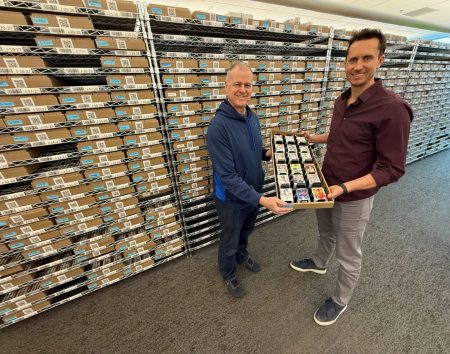
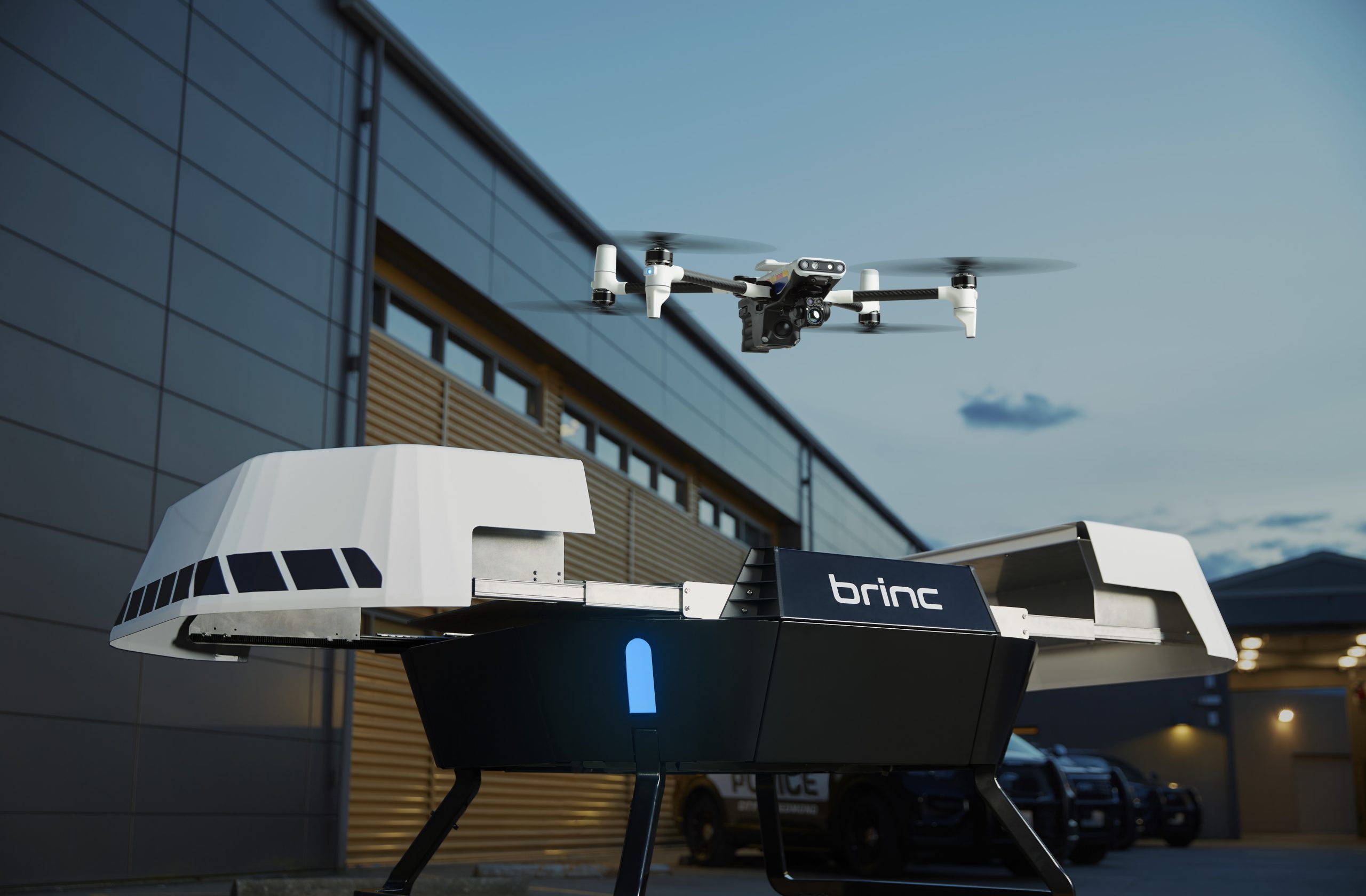
Resnick speaks from experience about Washington’s appeal for drone manufacturers. He relocated Brinc from Las Vegas to Seattle in 2021 specifically to tap into the region’s engineering talent pool. The company, which develops drones and related technology primarily for police, fire, and emergency response agencies, now employs approximately 140 people in the area. Earlier this year, Brinc secured a $75 million funding round and announced a strategic alliance with Motorola Solutions, positioning it well for expansion as market conditions shift. The company already conducts manufacturing operations at its Seattle headquarters and has proactively moved away from Chinese suppliers, instead sourcing components from Taiwan, Germany, the UK, and Japan. Resnick indicated that the new restrictions will accelerate their transition toward domestic suppliers: “Moving forward, we are going to have to do a lot more business with American companies.”
Controversy and Competition in the Changing Landscape
The FCC’s restrictions have not been without controversy. Drone hobbyists have expressed significant concerns that the move will drive up prices and limit access to affordable, high-quality options. The Academy of Model Aeronautics warned that the decision will “have huge implications for both the hobbyist and commercial airspace industries moving forward.” Brinc itself has been actively involved in shaping this policy shift, spending $660,000 on lobbying over the past three years, including advocacy for controls on Chinese-made drones, according to Forbes. This prominent position in the trade dispute has made the company a target—China formally sanctioned Brinc and Resnick in 2024, freezing any assets in the country and barring Resnick from entry. Despite these complications, Resnick defends the restrictions as necessary to create fair market conditions. He argues that DJI’s market dominance stems largely from billions in Chinese government subsidies that have made fair competition nearly impossible: “Frankly, I think this just evens the playing field.”
Economic Implications and Supply Chain Transformation
The shift toward domestic drone production will require substantial investments in manufacturing capacity. Resnick predicts a need for hundreds of thousands or potentially even millions of square feet of new manufacturing space across the U.S. drone industry. This expansion will create jobs not only in direct manufacturing but throughout the supply chain. While Resnick acknowledges that the transition to American suppliers will likely result in a price premium for drones overall, he characterizes this as an “organizational cost that we’re very happy to pay” in exchange for freedom from state-sponsored Chinese competition. He estimates that scaling up domestic supply chains will take approximately two to three years before the industry reaches a new equilibrium. The transition also serves broader national security goals by ensuring the U.S. industrial base remains resilient even if international partners face constraints during potential conflicts.
Future Possibilities for Regional Growth
As the drone industry undergoes this significant transformation, Washington state stands to benefit from both immediate job creation and long-term industry leadership. While Brinc currently focuses on public safety applications, Resnick didn’t rule out the possibility of expanding into other sectors as market opportunities emerge. “The free world,” he noted, “needs more drone manufacturing capacity in a whole bunch of different verticals.” This suggests potential diversification beyond emergency services into areas such as agriculture, construction, infrastructure inspection, and delivery services. The combination of aerospace expertise, manufacturing capacity, and innovation culture positions Washington to become not just a production center but a hub for drone technology development across multiple industries. As the effects of the FCC restrictions ripple through the market over the coming years, the state’s existing strengths in both hardware and software development could create a virtuous cycle of investment and growth, cementing its position at the forefront of America’s domestic drone industry.