



Microsoft Research Visionary Desney Tan Embarks on New Journey After Two Decades of Innovation
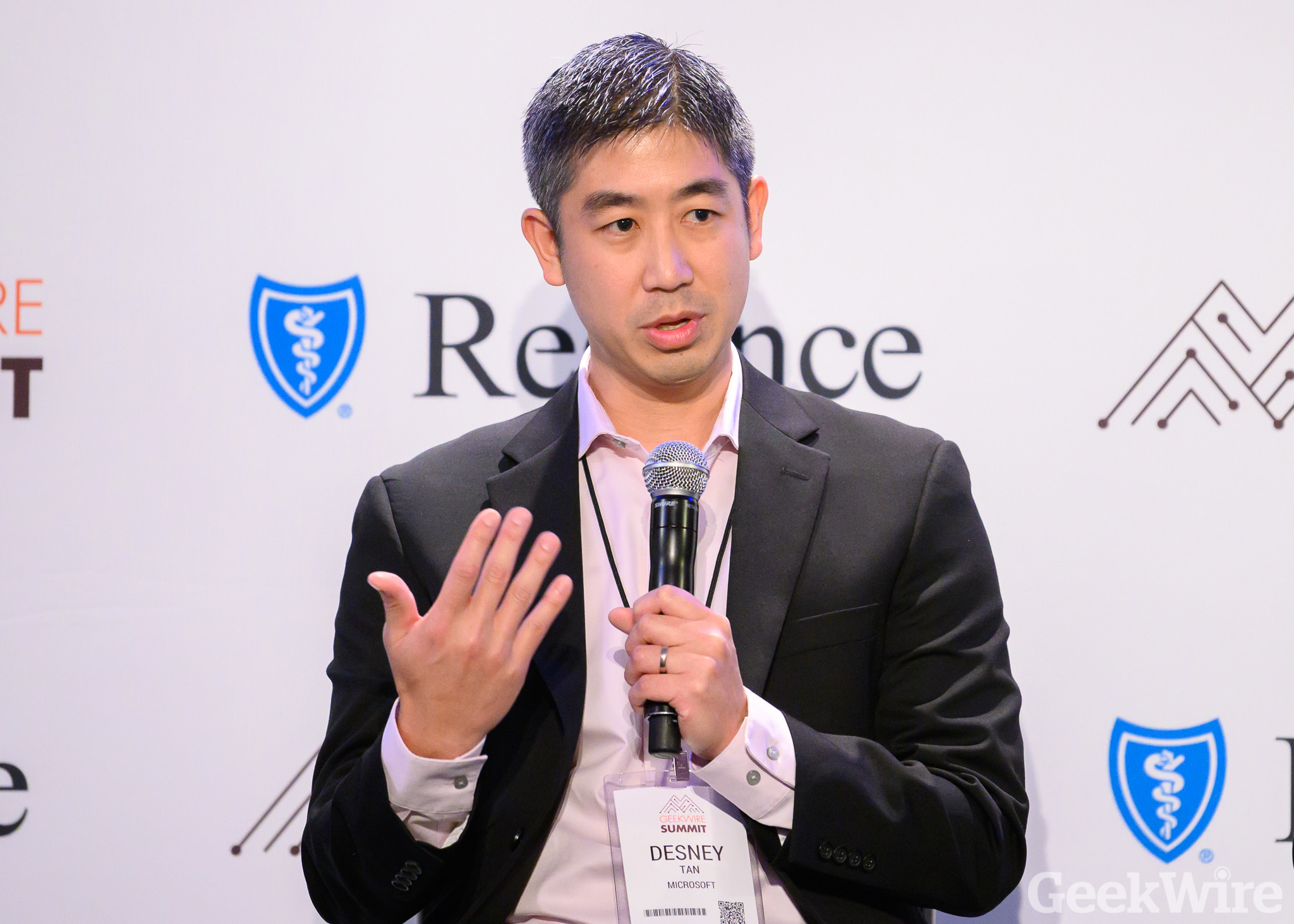
After twenty-one remarkable years at Microsoft, Corporate Vice President and Managing Director of Microsoft Research, Desney Tan, announced his departure on Monday, stepping away from a career that has significantly shaped modern computing interfaces and healthcare technology. “New year, new adventures,” Tan wrote on LinkedIn with characteristic enthusiasm, expressing gratitude for his time at Microsoft Research, which he credited as providing “the warm home, the unwavering trust, and the inspired pursuit of impactful innovation.” His departure marks the end of an era for Microsoft Research, where his pioneering work helped transform how humans and computers interact across multiple platforms and applications.
Tan’s career at Microsoft evolved from promising researcher to influential executive, leaving an indelible mark on computing technology along the way. His groundbreaking research in “whole body computing,” physiological sensing, and brain-computer interfaces redefined possibilities for human-computer interaction. These weren’t merely academic pursuits—Tan’s innovations manifested in everyday products that millions of users have experienced, including Windows multi-monitor functionality, handwriting recognition technology, motion tracking capabilities for Xbox Kinect, and the underlying technology that powered the Microsoft Band fitness tracker. His ability to bridge theoretical research with practical applications exemplifies the ideal of transformative innovation that improves people’s daily lives while pushing technological boundaries.
In recent years, Tan pivoted toward healthcare innovation, applying his technological expertise to some of humanity’s most pressing health challenges. As the leader of Microsoft Health Futures, the company’s ambitious health and life sciences “moonshot factory,” he orchestrated major partnerships that redefined the intersection of technology and healthcare. Among his most significant achievements was Microsoft’s collaboration with Adaptive Biotechnologies, which combined artificial intelligence, machine learning, and immunology to transform disease diagnosis and treatment. This shift in focus demonstrated Tan’s adaptability and his commitment to using technology as a force for addressing fundamental human needs, showing how computing advances could transform not just how we work and play, but potentially how we approach human health and longevity.
What distinguished Tan throughout his Microsoft career was his unique blend of academic rigor, entrepreneurial vision, and collaborative leadership. While rising through the corporate ranks to become a vice president, he maintained connections to academic research, holding an affiliate faculty position at the University of Washington. This academic-industry bridge allowed him to draw from cutting-edge research while focusing on real-world implementations. Colleagues consistently noted his ability to lead multi-disciplinary teams, combining expertise from fields as diverse as computer science, electrical engineering, physiology, and healthcare. His leadership approach emphasized both technological innovation and human impact, prioritizing solutions that could meaningfully improve people’s experiences with technology while addressing significant societal challenges.
Looking forward, Tan appears poised to explore multiple avenues rather than committing immediately to a single position. In his communication with GeekWire, he expressed a deliberate intention to keep his options open, allowing himself to experiment across different domains. This approach aligns with his career-long pattern of intellectual curiosity and cross-domain exploration. Already, his expertise is being leveraged through board positions at companies like ResMed, a leader in sleep and respiratory care, and the Washington Research Foundation. He also advises promising startups including surgical navigation innovator Proprio and cognitive health company NewDays, while serving as senior advisor and chief technologist at Seattle-based incubator IntuitiveX, which specializes in healthcare innovation.
Tan’s departure from Microsoft represents not an end but a transition in a career defined by boundary-pushing innovation. His legacy at Microsoft encompasses fundamental advances in how humans interact with technology, from typing on keyboards to using our bodies as interfaces and leveraging AI for health insights. As he embarks on this new chapter, the technology industry will be watching closely to see where his unique combination of academic depth, technological vision, and healthcare expertise leads next. What seems certain is that Tan will continue his pattern of cross-pollinating ideas across disciplines, institutions, and industries, likely focusing on innovations that address meaningful human needs. In an industry often criticized for creating solutions in search of problems, Tan’s human-centered approach to technology development serves as a powerful model for how computing can evolve to better serve humanity.