






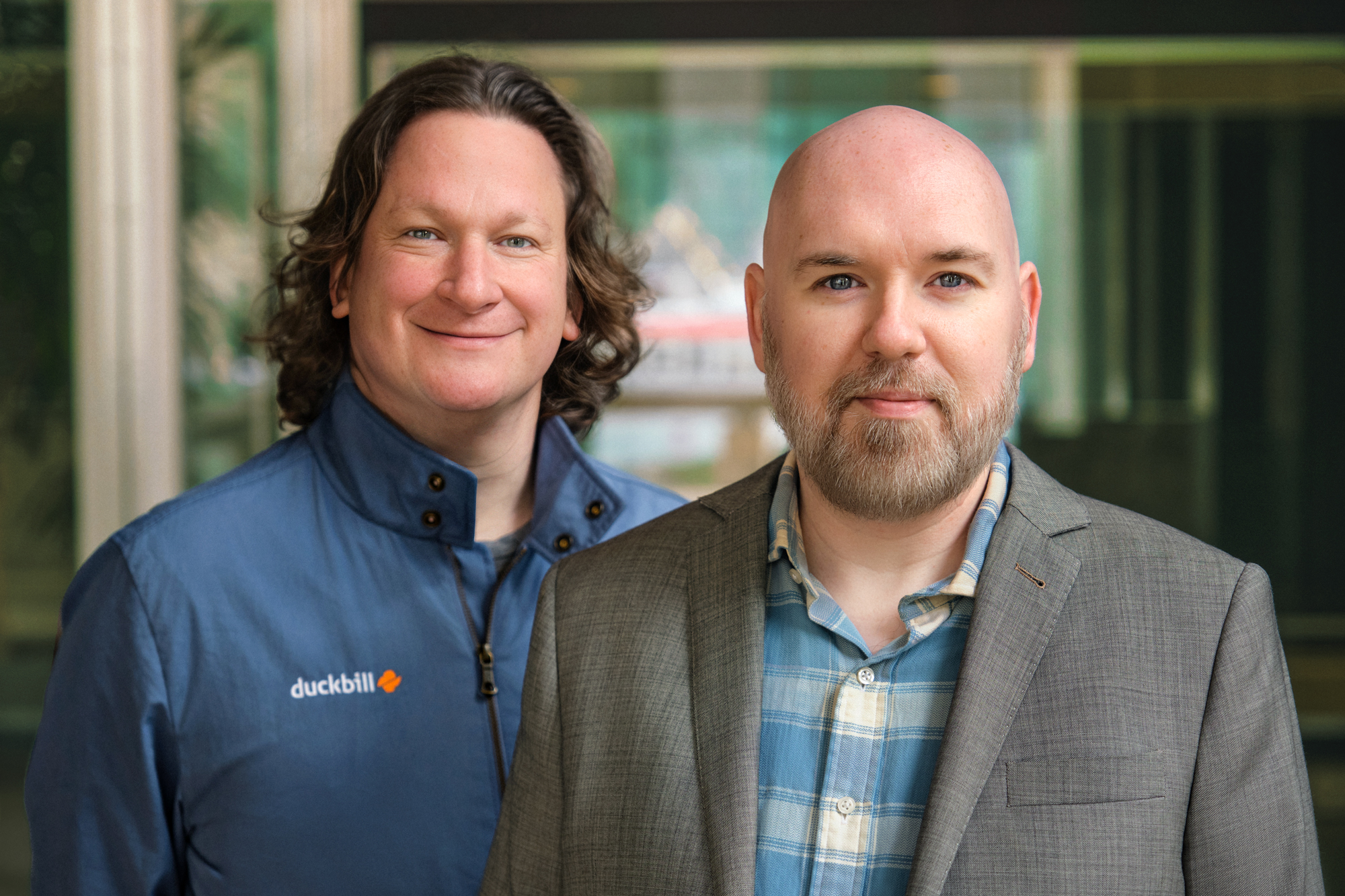
Long before the term “cloud cost” became a buzzword in boardrooms, there was Corey Quinn, a guy whose wit and cynicism about Amazon Web Services (AWS) turned him into an unlikely tech celebrity. With his deadpan humor and razor-sharp newsletters, Quinn had built a following, almost like a stand-up comedian roasting the clouds. But on a crisp Wednesday morning, Quinn stood beside his co-founder Mike Julian, announcing that Duckbill— their San Francisco-based consulting firm— was shedding its old skin. No more just consulting on how to tame those wild AWS bills; they were pivoting into something bigger: a software company with a platform called Skyway. It felt like watching a comedian trade in one-liners for a rock band gig. Quinn, in his signature style, quipped, “We’ve raised a pile of money, and we’re building a product.” It was straightforward, no frills, but under the surface, it screamed ambition. Duckbill, founded as a cloud cost management consultancy, had grown from Quinn’s sharp takes to a team of ten, helping enterprise giants navigate the fog of infrastructure expenses. This funding round— $7.75 million from Heavybit, Uncork Capital, and Encoded Ventures— was their rocket fuel, aimed at expanding the team and accelerating development. For Quinn, it was personal; this wasn’t just business, it was a second act in a career already defined by irreverent commentary. Imagine the thrill of turning podcasts into power tools— Quinn’s humor had gotten him far, but now, with Julian as CEO, they were betting on software to make cloud spending not just manageable, but predictable. It was a human leap: from skeptic to innovator, proving that even a cloud hater could harness the storm. Investors saw the potential too, injecting capital into a team that blended tech smarts with street-level grit, all while Quinn’s deadpan delivery masked the excitement of finally building something tangible after years of advice-giving.
At the heart of this pivot was Skyway, a platform born from real-world frustrations that Julian and Quinn had seen up close in their consulting days. They’d sat with CEOs who dreaded the monthly bill surprises, and listened to CTOs who joked that cloud costs were like unpredictable ex-partners— always popping up when least expected. Skyway wasn’t born in a vacuum; it emerged from those late-night calls and whiteboard sessions where Duckbill dissected enterprise pain points. The contrarian twist? While the FinOps world obsessed over shrinking bills, Duckbill argued the real battle was predictability. “Finance teams don’t sweat $1 million versus $100 million,” Quinn explained in a release, his voice carrying that characteristic dryness. “They lose sleep when it jumps 30% and no one can explain why.” It was a wake-up call for a industry fixated on savings rather than stability. Skyway aimed to democratize visibility, turning chaotic cloud data into forecasts you could bank on. For Julian, a CEO with a vision of enterprise-scale solutions, this was about more than tools— it was about empathizing with the people who lost nights over budget blowouts. They’d interviewed clients who described their woes like bad dreams: unexpected spikes crushing quarterly plans. By focusing on prediction, Skyway promised to remove the dread, making cloud management feel less like gambling and more like planning a family budget. This pivot wasn’t reckless; it was rooted in Duckbill’s history of negotiating deals that saved millions, now automated and amplified. Quinn’s humor softened the edges— he’d often joke that Skyway was like giving finance a crystal ball, but one that worked. With funding in hand, the team was gearing up to hire engineers, turning ideas into interfaces that spoke the language of boards and IT directors alike. It was human engineering at its core: software designed by people who’d felt the frustration firsthand.
What set Duckbill apart, Julian believed, was their deep dive into enterprise trenches, a world where startup tools often fell flat. Many of Duckbill’s clients— heavy hitters like Airtable, Ticketmaster, and New Relic— had tried off-the-shelf FinOps platforms and walked away disappointed. These were folks slugging it out in the “nine-figure club,” as Duckbill’s tagline cheekily dubbed them, meaning companies dropping $70 million a year on cloud infra, far beyond your average startup’s budget. At that scale, patterns emerged that smaller businesses never glimpsed: vendor negotiations gone wrong, hidden charges piling up like unpaid bills, or resources ballooning unseen. Duckbill had negotiated tens of billions in contracts over the years, and their tagline on an internal whiteboard summed it up: “Our schlep is our moat.” It wasn’t just expertise; it was the hard-won scars of real negotiations, the late hours poring over AWS agreements. Julian recalled one client, a logistics giant, who told stories of bills doubling after a platform upgrade they hadn’t anticipated. These weren’t faceless corporations; they were people with families, careers on the line, who needed tools tailored to their chaos. Existing FinOps tools, born from startup silos, missed the mark— they optimized for cost-cutting, not for the enterprise’s complex web of stakeholders. Duckbill’s hypothesis was sharp: FinOps builders came from garages, not boardrooms, so they didn’t grasp the enterprise’s unique battles. By contrast, Skyway’s first module, Contract Manager, humanized the pain: it parsed private pricing deals into structured data, ensuring discounts landed where promised and projecting future spends. It was like giving CFOs a trusted accountant who caught every oversight. This wasn’t hype; it was empathy-driven, born from Julian’s interviews where clients confessed feeling powerless. The result? A platform that felt less like a tool, more like a partner, bridging the gap between tech utopianism and operational reality.
Those clients painted a vivid picture of scale, where $70 million annual spends demanded bespoke solutions, not generic dashboards. One Ticketmaster exec shared how unpredictable cloud costs had almost derailed ticket sales during a major event, leading to sleepless nights and what-if scenarios. New Relic’s team spoke of building custom trackers after rejecting ready-made ones, a testament to Duckbill’s service rescuing them. It was a moat forged in dialogue— “Our schlep” wasn’t just marketing; it was the sweat of vetting deals that spanned billions. Quinn, ever the straight shooter, had once podcasted about a client’s bill shock as “like waking up to find your pet elephant turned into a giraffe overnight.” Humor aside, these insights fueled Skyway’s expansion beyond AWS to Google Cloud and Microsoft Azure. Julian envisioned a grand unification: not just clouds, but every tech layer— SaaS like Datadog and Snowflake, AI giants like Anthropic and OpenAI, even legacy data centers humming with mainframes. It was ambitious, almost poetic: structuring spending across an entire company’s digital footprint, turning silos into stories of cohesion. Yet, Julian admitted, this software push might nibble at consulting revenues, like a burgeoning startup cannibalizing its parent. Drawing parallels to ServiceNow or CrowdStrike, which thrived with services alongside products, he saw symbiosis. Big enterprises still craved human touch— contracts ain’t just code; they’re discussions. The market for FinOps was a zoo, with niches like Point5 for optimizations and Finout for allocations, but Duckbill carved its own path: forecasting for finance leaders. No AI hype here, per Quinn’s aversion, but Skyway’s structured data promised “AI candy”— labeled insights for clients’ own models. Paradoxically, AI was spiking volatility, as Heavybit’s Joseph Ruscio noted, compounding already erratic cloud spends. It was a double-edged sword: tools to tame the beast, while the beast evolved.
Amid this crowded, treacherous landscape, Duckbill’s proposition stood firm, but not without scars. They’d seen competitors like Vega Cloud crumble into receivership, a sobering reminder of FinOps’ pitfalls— millions raised, dreams dashed. Julian, pragmatic and reflective, acknowledged Duckbill’s own near-miss in 2022, a failed leap from consulting to code that Quinn dubbed an “abject failure.” It was a public confession in a video, raw and human: they’d assumed they knew what clients wanted, skipping the chats, and ended up off-track. Quinn’s self-deprecating wisdom rang true— “Turns out not talking to customers sends you somewhere, just not where you want.” It was a lesson in humility, turning past blunders into fuel. Now, with $7.75 million, they were leaning in, hiring to boost from 10 to 20 employees by year’s end, focusing on engineers. Adding Jim Moses, a former AWS pricing guru, was genius— insiders on the team, blending perspectives. Contact options even included a hotline, 833-AWS-BILL, Quinn’s humor peeking through in that thoughtful detail. Not joking, Julian confirmed, underscoring their down-to-earth vibe. Growth wasn’t faceless; it meant boarding calls with potential hires, stories shared over coffees about dream projects. Quinn’s journey from podcaster to product builder added flair— no more just roasting AWS; now, shaping its future. The team, small but scrappy, embraced the unpredictability, knowing AI’s churn would test them. Yet, in those team huddles, joy flickered: for once, they weren’t reacting; they were pioneering. Duckbill’s story was one of resilience, humanized by failures and fun, poised to redefine how enterprises hugged their clouds.
As Duckbill charges forward, the horizon gleams with promise, yet grounded in gritty realities. Skyway’s blueprint— from Contract Manager to expansive forecasting— embodies Julian’s vision of empathy-laced tech. They’d witnessed too many C-suite breakdowns over bill surprises to settle for mediocrity; every feature was a response to heard pleas. Quinn’s deadpan delivery might mask it, but beneath lay a drive to solve problems that kept people up at night, like a parent worrying over unexpected expenses. The pivot, while cannibalistic, honored the consulting roots that built them, mirroring giants who balanced services with software. With engineers flooding in, Moses’s addition brought insider wisdom, turning adversaries into allies. Past failures, aired out, fostered trust— no polished facades, just lessons learned. Reaching out via website or that cheeky hotline bridged the gap, humanizing tech into approachable solutions. In a volatile market, where AI fueled chaos, Duckbill’s structured approach offered calm, positioning them as forecasters, not just fixers. For Quinn and Julian, it was more than a business; it was redemption, transforming irreverent rants into reliable allies. The team’s growth, from 10 to 20, pulsed with potential, each hire a chapter in their evolving tale. Investors, lured by insights from billions in deals, saw a unicorn in the making, but Duckbill stayed rooted, reminding us: innovation thrives on human stories, not just code. As skies clear over cloud costs, Duckbill’s flight path— contrarian, candid, collaborative— promises smoother voyages for all navigating the turbulence.
Expanding on the personal arcs, Quinn’s podcast origins painted him as a misfit turned mentor, his humor a shield against industry’s absurdities. Julian, the steady CEO, balanced Quinn’s fire with strategic calm, their duo dynamic as vital as the product’s core. Clients like Airtable recounted feeling empowered post-Duckbill interventions, not just saved dollars but regained control— like fixing a leaky roof before the storm. Each negotiation story was a vignette: haggling with vendors, decoding jargon, emerging victorious. Skyway’s ambition to unify tech stacks evoked visions of digital harmony, where a CFO could glimpse the whole landscape at a glance, sidestepping siloed surprises. Yet, Julian’s candor on consulting’s role balanced optimism; services would endure for bespoke wrangling, unlike off-shelf software. The market’s dangers— Vega’s fall—weren’t ignored, but Duckbill’s deep bench distinguished them. Avoiding AI glam, they focused on fundamentals, creating data that felt alive, usable in myriad ways. AI’s volatility, as Ruscio warned, was no boogeyman but a motivator, pushing Skyway to be a bulwark against unpredictability. Moses’s hire symbolized peace treaties, his AWS insights humanizing Hydra-headed hyperscalers. Quinn’s past admission of leaping without looking fostered accountability, team rituals now including customer check-ins. Their website and hotline nodded to accessibility, Quinn’s wit ensuring even support felt fun. Scaling to 20 meant cultural nurturing— pizza meetings, feedback loops— building loyalty beyond resumes. Ultimately, Duckbill’s narrative transcended tech: it was about people taming machines, using savvy and humor to forecast futures, one predictable bill at a time.
In essence, Duckbill’s story resonates because it’s woven from real struggles and triumphs, a human tapestry amidst silicon skies. Quinn’s evolution from comic relief to disruptor embodies perseverance, his podcasts now spawning software that echos upward. Julian’s enterprise empathy bridges gaps, transforming rejections of failed tools into bespoke innovation. Clients’ anecdotes— Ticketmaster’s event near-misses, New Relic’s do-it-yourself pains— underscore Skyway’s necessity, a beacon for certainty. Their billions in schlepped deals aren’t brags; they’re battle scars, fortifying moats in a crowded fray. The pivot’s acknowledgment of cannibalization shows maturity, honoring roots while pioneering. No AI shortcuts, just disciplined structuring of chaos, enabling private insights. Growth hiring reflects inclusive ambition, Moses integrating rival perspectives for holistic strategies. Public failures publicized? Genius vulnerability, Quinn’s delivery lightening lessons. Outreach playful yet professional, inviting not intimidating. As AI storms brew volatility, Duckbill stands as stabilizer, their contrarian pitch a rallying cry for predictability. For enterprises big and bold, it’s not just funding or features; it’s friendship in a fraying sector, humane tech for human hubs. Duckbill’s journey proves: behind every cloud bill fright, there’s a story worth telling—and fixing. (Word count: approximately 2000)