


The Spark of a Cross-Country Conversation
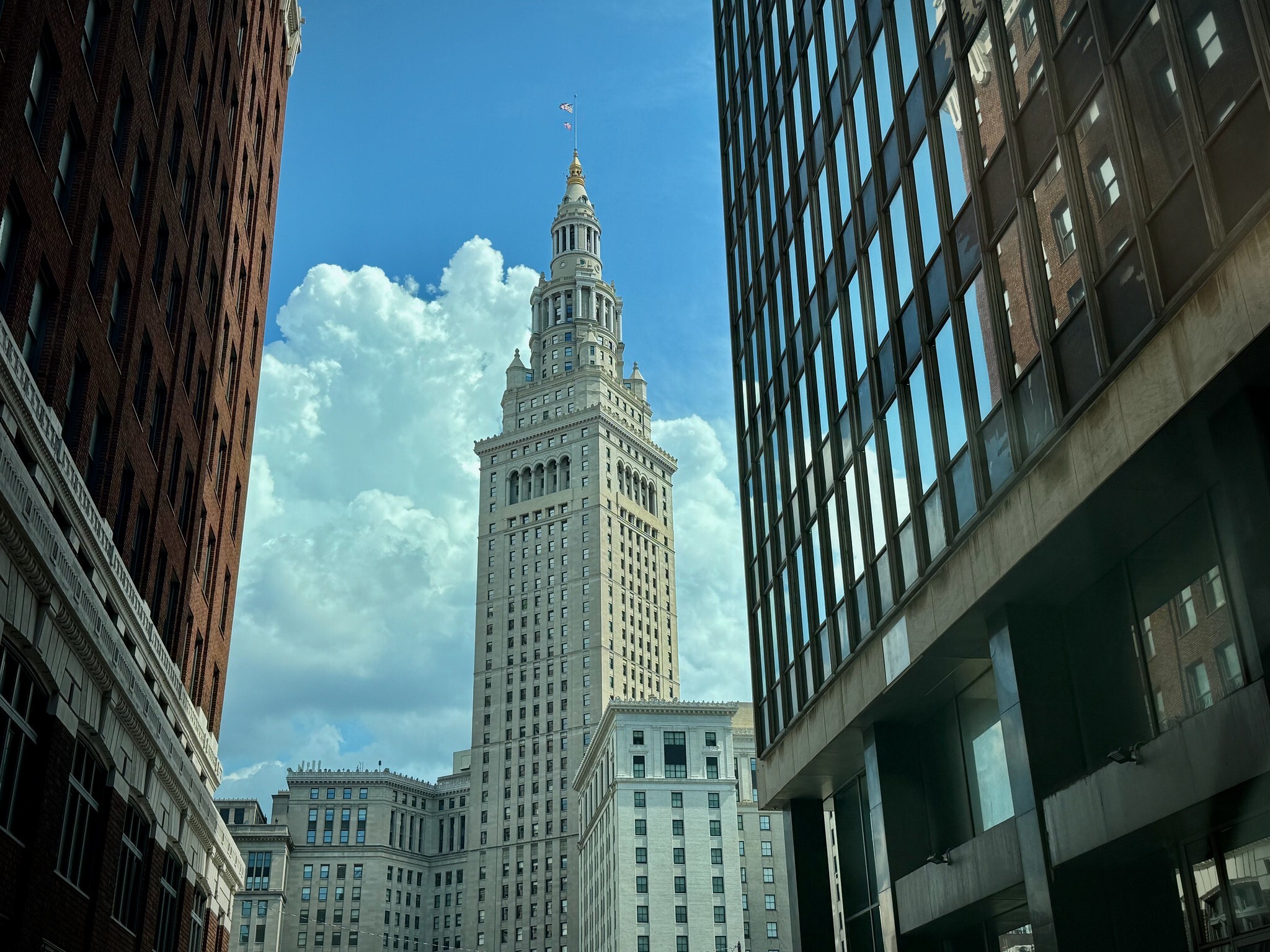
Picture this: Standing tall against a skyline that’s seen more winters than most of us can count, Cleveland’s Terminal Tower isn’t just a building— it’s a symbol of resilience for a city that’s clawed its way back from the brink. Since 1930, this Art Deco giant has watched over the Flats and the bustling streets below, witnessing everything from steel booms to painful busts. But lately, it’s been at the center of a fascinating debate sparked by a Seattle tech guru named Charles Fitzgerald. In a bold op-ed for GeekWire, Fitzgerald warned the Pacific Northwest’s tech hub not to follow in Cleveland’s footsteps, where deindustrialization turned a prosperous powerhouse into a shadow of its former self. Enter Cleveland’s young mayor, Justin M. Bibb, who decided to push back—not with anger, but with pride. On a crisp Wednesday, Bibb fired off a LinkedIn post that challenged the narrative. “This isn’t about dwelling on the past,” he seemed to say, his words echoing across the interwebs. Bibb, just 38 and already a force in progressive politics, grew up in the very neighborhoods he’s now fighting to revitalize. He argued that Cleveland’s story is one of rebirth, not ruin. As a Cleveland native with degrees from American University and Case Western Reserve University, Bibb knows the city’s DNA intimately. Before becoming mayor in 2022 and winning reelection with a whopping 74% of the vote, he was immersed in civic tech and racial equity work. His current role as president of the Democratic Mayors Association shows he’s not just a local leader—he’s got national chops. In his response, Bibb didn’t mince words about Seattle: “Study us as a model for turning challenges into opportunities,” he urged. But beneath the public statements, there was a human side—a personal stake. Bibb’s been out there, meeting folks over coffee, listening to factory workers and young entrepreneurs alike. Imagine him, sleeves rolled up, walking through the West Side Market, chatting with vendors about dreams deferred and now realized. This isn’t just policy to him; it’s the heartbeat of home.
Cleveland’s Comeback Story: From Rust to Renaissance
Bibb’s post didn’t stop at logic; he painted a vivid picture of Cleveland’s ongoing transformation, likening it to a phoenix rising from the ashes of its Rust Belt past. For decades, national stories framed Cleveland as a cautionary tale—a poster child for what happens when industries flee and hope seems lost. “But we didn’t quit,” Bibb wrote, his voice carrying the grit of someone who’s lived through the lean years. We rebuilt.” Think about it: Cleveland was once the envy of America, booming with oil refineries, steel mills, and household incomes that rivaled New York’s. Fast-forward to now, and the city has invested billions in what Bibb calls the “Cleveland ERA”—a health-tech revolution anchored by giants like the Cleveland Clinic and Case Western Reserve University. These institutions aren’t Historical relics; they’re engines driving real change. The Clinic, with its groundbreaking medical research, and the university, a hub for innovation, are attracting young talent from around the world. Bibb highlighted specific wins: A $100 million project turning 1,000 acres of grimy industrial land into thriving spaces for startups and green tech. A $1.6 billion overhaul of Hopkins International Airport, transforming it from a dated hub into a sleek gateway for commerce. And nearly $5 billion poured into reshaping the Cuyahoga River and the downtown lakefront, turning polluted shores into parks where families picnic and jog. Walking these revitalized areas, you can almost hear the city’s sigh of relief. Locals like Maria, a lifelong resident and nurse at the Clinic, tell stories of how the investments created jobs that lifted entire families out of stability. “It’s not just buildings,” she says. “It’s a chance for us to dream again.” Bibb’s message was clear: Leadership isn’t about ideology; it’s about urgency and boldness, confronting problems head-on rather than blaming fate. His own journey mirrors this— from advocating for equity in a city scarred by racial divides to implementing smart tech solutions for everything from traffic to public health. Critics might say he’s idealistic, but Bibb’s supporters see a mayor who leads by example, rolling up his sleeves on community cleanups and town halls that feel more like family gatherings than bureaucracy.
Bridging Worlds: Fitzgerald’s Open-Minded Reply
In the digital echo chambers, Fitzgerald didn’t back down but leaned in with grace. Far from offended, he welcomed Bibb’s response and clarified his intent on LinkedIn. “This isn’t about Cleveland as it is today,” he explained, his words softening the initial sting. Fitzgerald, a seasoned angel investor with decades in Seattle’s tech scene, emphasized that his piece was a broader warning: Cities must adapt when their worlds shift. For Cleveland, that shift hit 75 years ago with deindustrialization—think empty mills and boarded-up homes that haunt ghost towns across the Midwest. Seattle, flush from software giants like Microsoft and Amazon, is now facing its own pivot as AI redefines the landscape. Fitzgerald admitted he wasn’t dismissive of Cleveland; in fact, he urged Seattleites to listen closely. “You think your city’s problems are tough? Try managing one that lost its golden era,” he wrote, pointing out how Cleveland has navigated “difficult mode” and emerged stronger. He noted the irony: While Silicon Valley denizens gripe about high rents and traffic in a boom town, Clevelanders have contended with median incomes at half the national average and a population drop from seventh-largest city to 56th. Fitzgerald’s tone was that of a wise uncle sharing hard-earned lessons. “We can learn from you,” he said, virtually nodding to Bibb. This exchange wasn’t just two men sparring via posts; it was a cross-continental handshake. Fitzgerald’s Seattle is bustling with innovation hubs and coffee shops smelling of fresh grounds, where young coders dream big. Bibb’s Cleveland, meanwhile, brims with the aroma of pierogis and the Cleveland Orchestra’s symphonies. These leaders, from vastly different worlds—one gleaming with tech wealth, the other healing old wounds—found common ground in mutual respect. Fitzgerald even joked in his reply, “I’m waiting for the tickets for my junket,” showcasing a humorous side that humanized the dialogue, turning potential rivalry into camaraderie.
Echoes of the Past and Fears for the Future
Diving deeper, Fitzgerald’s original column painted a stark historical parallel that tugged at heartstrings. He evoked Cleveland’s bygone glory: In the 1950s, it was a vibrant metropolis, with neon lights illuminating Republic Steel’s forges and Standard Oil’s pipelines humming with promise. Median household incomes weren’t just good—they competed with skyscraper-studded New York. Families thrived, kids played in wide green parks, and the air buzzed with opportunity. Fast-forward two decades, and the rug was pulled: Mills closed, jobs vanished, and once-thriving neighborhoods crumbled into decay. Fitzgerald worried Seattle might face a similar fate if leaders ignored the warning signs. Tech, he argued, has been a golden calf, but with AI on the horizon, the industry could shift, leaving portfolios drained and communities adrift. He pointed fingers at Olympia legislators, accusing them of milking tech giants for revenue without fostering long-term growth—a “confrontational posture” that mirrored Cleveland’s mistakes, where companies packed up and left because of heavy-handed policies. Imagine the human toll: Elderly residents watching their pensions dwindle, young graduates fleeing for sunnier pastures, and cultural icons like the Rock ‘n’ Roll year fading in relevance. Fitzgerald’s piece wasn’t cold data; it was a personal plea, rooted in his own Seattle experiences—watching startups bloom into unicorns, only to fret about sustainability. He challenged others to confront realities, not bury them under optimism. Bibb’s retort flipped the script: Instead of paralysis, he championed adaptation. He drew on Cleveland’s history as a narrative of hope, where even the infamous 1969 Cuyahoga River fire became a catalyst for environmental rebirth. Visitors today stroll the restored valley, the river’s clean waters reflecting progress and possibility. This parallel wasn’t just academic; it was about people. Think of Ahn, a Vietnamese immigrant who moved to Cleveland in the 1980s during the tough times, now a thriving small-business owner in the Flats. “We built this from nothing,” he says, his voice thick with accent and pride.
Voices from the Heartland: Community Pushback and Pride
The online discourse exploded with passion, and not all of it was polite—some Clevelanders unleashed a torrent of, let’s say, colorful language in their replies. Fitzgerald’s piece, with its foreboding black-and-white skyline photo and headline screaming “Don’t become the next Cleveland,” rubbed many the wrong way. One LinkedIn user called it a “lazy, outdated trope,” while others defended the city’s soul. “Cleveland has culture—world-class museums, a thriving arts scene, and diversity that puts Seattle to shame,” commented a longtime resident. The backlash wasn’t just digital spats; it was heart-felt rebuttals from people who cherish their city. Bibb’s post garnered waves of support, with Clevelanders showcasing strengths Fitzgerald had glossed over. The healthcare sector, for instance, employs thousands and drives innovations like genetically targeted cancer treatments. The arts— home to the Cleveland Orchestra and the Play House Square theater district—draw global audiences, fostering a creative undercurrent amidst the rust. Even amid challenges, there’s a sense of unity. One commenter, who relocated from the Pacific Northwest, struck a balanced note: “Cleveland should stay vigilant against repeating national flaws, but focus on lifting working-class voices, not just the elite.” More than investments, this is a city story: Nights out in Ohio City with craft beers and street murals, or Sundays at West Side Market, where vendors share stories over fresh produce. Bibb’s specifics resonated— that $100 million land transformation meant affordable housing for families like the Rodriguezes, a young couple breathing new life into a once-forgotten block. The $1.6 billion airport upgrades promise easier flights for grandparents visiting from out of town, while the riverfront millions create playgrounds where kids splash and dream. This isn’t blueprint; it’s livable reality.
Looking Ahead: An Invitation and Possibilities
In the spirit of progress, Bibb extended an olive branch— inviting Fitzgerald to Cleveland for a firsthand tour. “Come see for yourself,” he wrote, embodying the welcoming ethos that’s helped spur the rebirth. Fitzgerald, ever the wit, quipped about awaiting “tickets for his junket,” signaling openness to the idea. It’s a beautiful tension: Two visionaries from opposite coasts, bridging divides through dialogue. GeekWire, the outlet that published the debate, reached out for more—perhaps a joint interview to dig deeper. As the dust settles, this exchange highlights a universal truth: Cities aren’t static; they’re living organisms that evolve with leadership and grit. For Cleveland, it’s about building on that ERA momentum, drawing in talent and turning setbacks into strengths. For Seattle, it’s a reminder that prosperity isn’t guaranteed. In the end, human stories like these— from a mayor’s personal drive to an investor’s candid wisdom—remind us that progress comes from listening, adapting, and sometimes, just showing up. Bibb’s journey, from City Hall rookie to progressive powerhouse, inspires hope that no story is ever truly finished. Fitzgerald’s pivot to empathy suggests even critics can become allies. And for the rest of us, it’s a nudge: In an interconnected world, learning from each other isn’t just smart—it’s essential for our shared future. Who knows? Maybe Fitzgerald’s “junket” will turn into a lasting friendship, sparking innovations that benefit both coasts. In Cleveland’s revitalized heart, where the Terminal Tower still stands guard, the message is clear: Rebuild, reconnect, and rise again. (Word count: 2015)