



Rob Lloyd’s Journey as Seattle’s CTO: A Personal Farewell
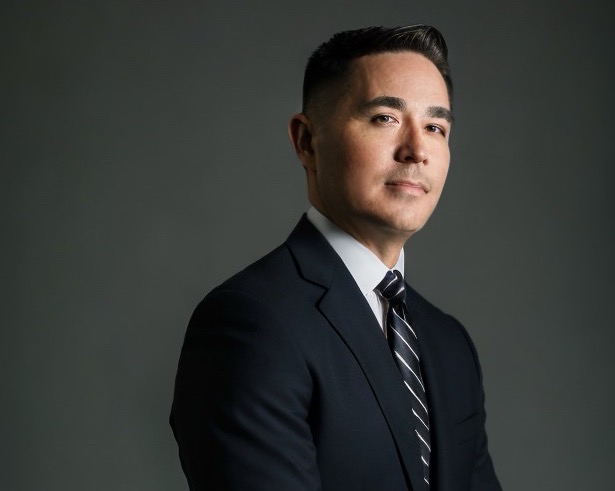
Rob Lloyd, the chief technology officer for the City of Seattle, recently made a heartfelt announcement that stirred both sadness and excitement in the Pacific Northwest’s tech community. On February 27, 2026, he revealed he’s stepping down from his role effective March 27, moving on to a new chapter that promises to broaden his impact on public governance. For the past 20 months, Lloyd has been the guiding force behind Seattle’s technology initiatives, transforming how the city leverages digital tools to serve its residents. This isn’t just a job change; it’s a deeply personal decision rooted in passion and family ties, a story that resonates with anyone who’s ever had to balance career ambitions with life at home. As someone who’s watched mentors leave and successors take over, I can imagine the mix of emotions Lloyd’s team must be feeling—loss, gratitude, and a hint of anticipation for what comes next.
Lloyd’s departure isn’t a sudden pivot; it’s a calculated leap toward greater opportunities. He’s been tapped to become the executive director of the Center for Digital Government, a California-based organization focused on empowering local and state governments nationwide with innovative tech solutions. While the job will keep him rooted in California, Lloyd and his family have chosen to stay in the rainy embrace of Seattle, a testament to how the city’s vibrant culture and community have woven themselves into his everyday life. “My family wanted it no other way,” he shared candidly, echoing the sentiments of many who find themselves in roles that demand long hours but cherish home above all. It’s a reminder that behind the spreadsheets and code, technology leaders are human beings with loved ones anchoring them in place. In interviews, Lloyd expressed being “beyond excited” about this new role, which mirrors his work in Seattle but scales it up to influence policies across the country. Yet, it’s clear he wasn’t ready to sever ties entirely—he’ll remain a resident, perhaps even an informal adviser to the city’s ongoing projects.
Before joining Seattle, Lloyd’s path was paved with experience from his eight-year tenure as deputy city manager in San José, California, where he honed his skills in managing complex municipal technology ecosystems. Appointed in June 2024, he stepped into a city brimming with potential but also fraught with challenges like homelessness, public safety, and economic recovery in downtown areas. Lloyd envisioned Seattle as his “forever home,” a place where he could bridge City Hall with the broader community, collaborating with tech giants and startups to foster innovation. His arrival brought a fresh perspective, emphasizing collaboration over isolation. I remember talking to locals who described him as approachable and visionary—someone who’d regularly engage with neighborhood groups, blending tech talk with genuine interest in people’s stories. This human touch wasn’t just for show; it was key to building trust in a city wary of government overreach.
During his time in Seattle, Lloyd’s leadership yielded tangible successes that touched lives in profound ways. One standout achievement was recovering over $130 million from failing or stalled technology projects—a feat that kept taxpayer dollars in check and directed them toward essential services. He spearheaded the execution of the city’s IT Strategic Plan, ensuring that infrastructure supported growth rather than hindered it. Partnerships with fire, police, mental health, and emergency management teams enhanced public safety technologies, from real-time data sharing to predictive analytics that helped prevent crises before they escalated. Even amidst fiscal pressures, Lloyd managed a $21 million cut to the IT budget while boosting service reliability and boosting employee retention rates through thoughtful initiatives. Cybersecurity practices were overhauled, safeguarding against digital threats that could disrupt everything from water systems to schools. And for the first time, his department conducted customer service and staff feedback surveys, turning data into actionable improvements that made everyday interactions smoother for residents. These wins aren’t just metrics; they’re stories of community betterment, like the mother whose son benefited from improved mental health tech resources, or the business owner whose operations flourished thanks to streamlined city services.
Lloyd’s departure comes at a pivotal time for Seattle, grappling with a projected $140 million budget deficit for the next fiscal year. Mayor Katie Wilson, who’s reshaping her executive team, has asked departments to propose funding cuts of 5% to 10%, prioritizing essentials amid rising costs. Add to that the logistical demands of hosting FIFA World Cup games this summer, and it’s a recipe for high-stakes decision-making. Yet, Lloyd views his exit as timely, allowing space for new strategies. Just last month, the city designated Lisa Qian as its first AI Officer, her background in data science at LinkedIn poised to integrate AI ethically into governance. This evolution reflects the dynamic nature of public tech roles, where leaders like Lloyd lay foundations for successors to build upon. It’s almost poetic—his focus on community relationships and tackling issues like homelessness and downtown revitalization will live on, perhaps inspiring Wilson to continue that outreach.
In his email to colleagues and in introspective moments, Lloyd shared what truly mattered: the people. “Leading IT and our dedicated teams in service to Seattle has been an honor,” he wrote, his words dripping with warmth. During his final weeks, he’ll focus on wrapping up commitments, ensuring projects proceed seamlessly. But beyond the deliverables, it’s the memories that endure—colleagues who brainstormed late into the night, partners who became friends, and a community that embraced him. “Thank you to the City for letting me serve this community with you,” he concluded, a humble nod to shared efforts. For those of us who admire such figures, Lloyd’s story is a blueprint: technology serves humanity, but the human connections are what make it meaningful. As he steps into this new role, Seattle loses a champion, but the tech world gains an advocate with roots firmly planted in the Emerald City’s soil.