





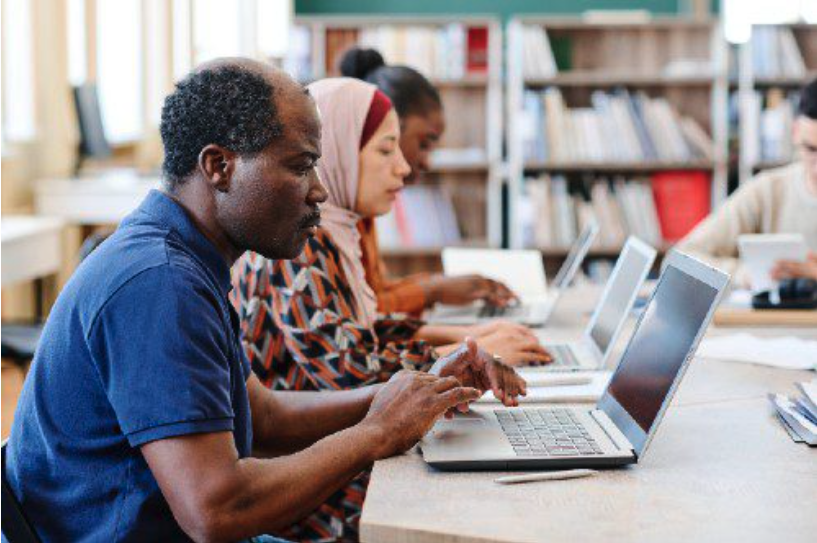
In the bustling heart of Seattle, where the Pacific Northwest’s rainy skies meet a vibrant tech scene, a quiet revolution is unfolding to bridge the digital gap. On a crisp March morning in 2026, the City of Seattle announced an empowering initiative: $455,000 in Technology Matching Fund (TMF) grants, dispersing funds to 11 community organizations dedicated to bolstering digital literacy and skills for underserved populations. These partnerships aren’t just about handing out money; they’re lifelines for people who have been sidelining by the rapid march of technology. Imagine a young immigrant mother in Chinatown, struggling to navigate online job portals without knowing how to type a simple search, or an elderly refugee from East Africa who can’t connect with family back home because Wi-Fi feels like an alien concept. The TMF program steps in as a beacon, providing hands-on support like literacy training, affordable devices, tech troubleshooting, and reliable internet access, all while respecting cultural nuances across 20 different language groups. It’s a grassroots effort, blending municipal vision with on-the-ground passion from groups that understand the daily hurdles their communities face. As the sun rises over Puget Sound, these grants signal a renewed commitment to equity, ensuring no one is left scrambling in the shadows of a digitized world.
The roots of this transformative program stretch back to 1997, when Seattle first recognized the growing chasm between those immersed in the digital realm and those peering in from the outside. Launched as a savvy response to the dot-com boom, the TMF was pioneered to funnel resources to nonprofits and community hubs, fostering what we now call digital equity. Fast-forward nearly three decades, and it’s a testament to enduring foresight: a partnership between the City of Seattle and innovative organizations that turns barriers into bridges. This year’s rollout, announced amid the buzz of the city’s tech corridors, underscores how far we’ve come while highlighting the miles still to go. With corporate giants like Comcast and T-Mobile chipping in as contributors, the program has evolved into a collaborative powerhouse, attracting a staggering 53 applications from hopeful groups eager to make a dent in the divide. It’s not just bureaucracy; it’s a living, breathing network where volunteers donate time, organizations pool resources, and beneficiaries share stories of newfound confidence. Picture Maria, a single mom in her 40s from Villa Communitaria, who once missed family gatherings because Zoom calls baffled her—now, empowered through these initiatives, she’s navigating online education for her kids and exploring remote work opportunities.
Diving into the nuts and bolts, these grants demand accountability and shared investment, requiring applicants to match at least 25% of their funding requests with cash, in-kind contributions, or volunteer hours. This matching requirement isn’t a hurdle; it’s a catalyst for deeper community involvement, proving that sustainable change comes from pooling strengths. In 2026, the total community match soared to $168,136.90, a figures that speaks volumes about the goodwill and elbow grease behind the scenes. Each of the 11 recipients is tailored to local needs, from youth career pipelines to immigrant digital navigation, creating a mosaic of opportunities that respects diversity. For instance, Creation Culture’s $8,935 allocation fuels a Youth Graphic Design Career Pipeline, where teenagers from disadvantaged backgrounds learn to blend creativity with code, turning screen time into skill-building time. Similarly, the $45,000 grants to organizations like Ada Developers Academy and Horn of Africa Services aren’t mere handouts—they’re investments in human potential, enabling coding bootcamps for underrepresented women and tech support for refugees adjusting to new lives. As funds flow into these projects, they ripple outward, reducing isolation and opening doors to education, employment, and self-expression for those who’ve long been on the outside looking in.
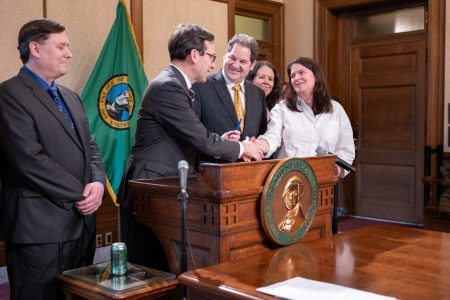
Standing tall as a champion for this cause is Seattle Mayor Katie Wilson, whose words in the announcement resonate with heartfelt urgency: “Too many of our neighbors have been left behind by the digital divide, creating challenges for them to get an education, a higher-paying job, or find communities and express themselves.” Her statement, issued like a rallying cry, humanizes the statistics by reminding us of real faces and stories. Think of Alex, a young adult with dreams of graphic design, unable to apply for scholarships because online forms felt like riddles; or Linh, a small business owner in Little Saigon whose shop struggled without e-commerce savvy. These are the silent struggles the TMF aims to silence, by equipping people with tools to thrive in a world where digital fluency is no longer a luxury but a necessity. Mayor Wilson’s leadership infuses the program with empathy, acknowledging that technology’s promise can only shine when it includes everyone, from the bustling urban core to the quieter neighborhoods. It’s a nod to progress tempered by persistence, ensuring that as Seattle evolves into a hub of innovation, no one is forgotten in the upgrade.
Zooming in on the recipients offers a vivid portrait of hope in action, each grant a thread in the tapestry of inclusion. The Chinese Information and Service Center’s Touch Screen Pilot Project, awarded $44,928, pioneers accessible tech for seniors and non-English speakers, transforming intimidating devices into user-friendly portals for entertainment and connection. Meanwhile, Per Scholas Seattle expands its reach with $45,000 for technology career training, guiding underrepresented groups toward lucrative roles in IT, where skills lead to stability and aspiration. Friends of Little Saigon, with $44,979, empowers local entrepreneurs through digital literacy, helping shopkeepers digitize their operations and compete in a global marketplace. The IF Project’s WE THRIVE Initiative, also at $45,000, focuses on holistic support for those exiting homelessness, providing internet hotspots that reconnect families and sustain recovery journeys. Villa Communitaria’s Familias Digitales en Acción likewise aims to unite Latino households, offering tailored training that strengthens bonds and builds futures. Asian Counseling and Referral Service’s $45,000 allocation broadens community outreach, while Renaissance 21’s Project She/Her/HEALTH, funded at the same amount, addresses health and wellness through tech, ensuring marginalized women access vital resources online. Solid Ground Washington wraps it up with $41,266 for internet access to homes, a lifeline for those transitioning from shelters to stability.
As the sun sets on this momentous announcement, the TMF grants beckon toward a future where technology serves as an equalizer rather than a divider. With roots in the late 20th century and a forward gaze into digital horizons, this program embodies Seattle’s spirit of innovation with compassion. By nurturing 11 diverse initiatives, it doesn’t just dispense funds—it sows seeds of empowerment, fostering resilience in communities that have weathered storms of inequity. Imagine a city where every resident, regardless of language or background, can confidently log on to pursue dreams, secure livelihoods, and forge connections. The $455,000 investment, amplified by community matches and corporate support, is a down payment on that vision, proving that when government, nonprofits, and everyday people unite, barriers crumble. As 2026 unfolds, we can hope these efforts inspire wider change, turning digital divides into stories of triumph and unity. In the end, it’s about more than grants; it’s about humanity thriving in a connected age.