



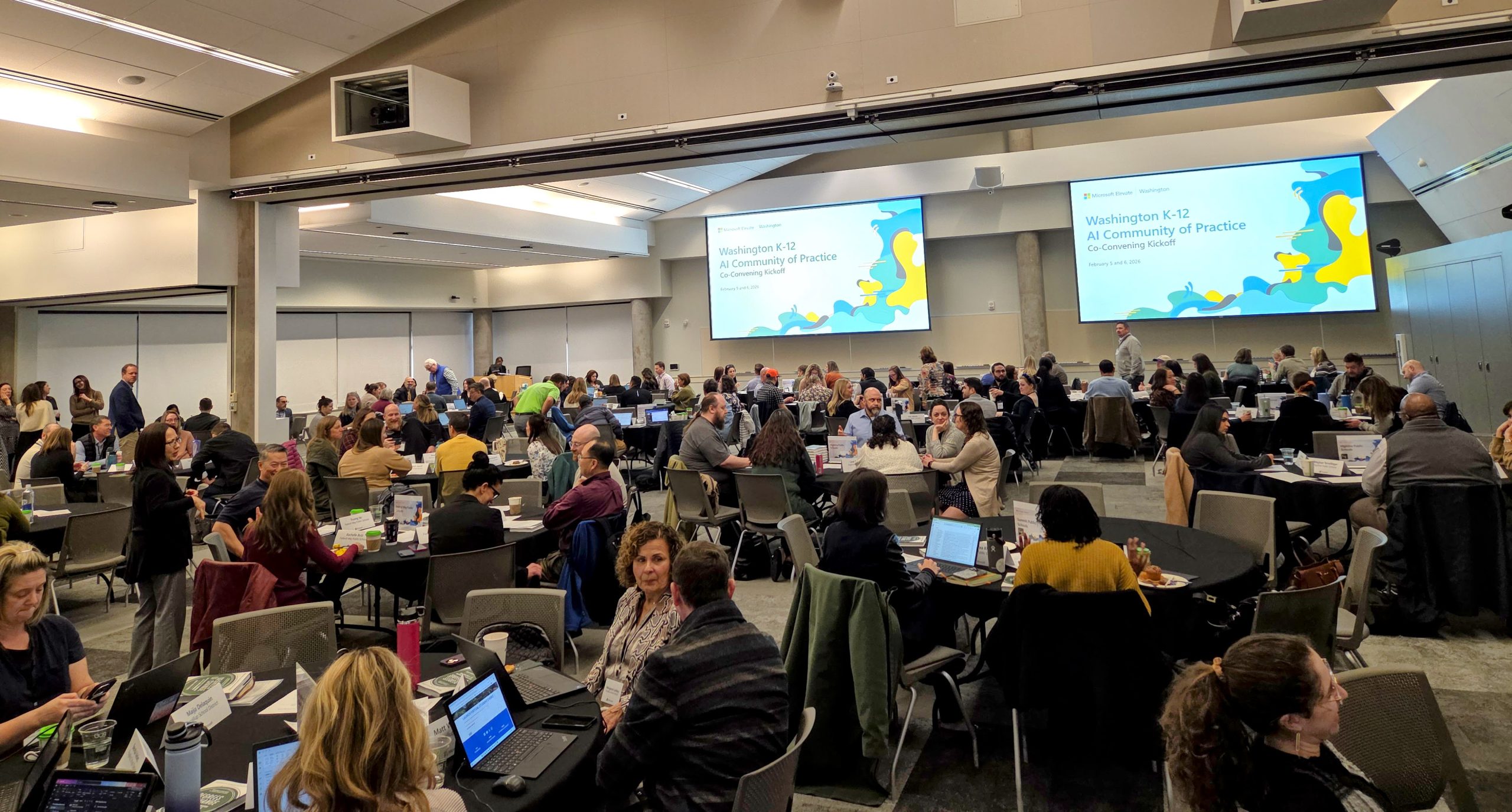
Imagine stepping into a bustling auditorium in Redmond, Washington, on a crisp February morning in 2026. The air buzzes with anticipation as educators and administrators from across the state converge at Microsoft’s sleek campus. They’re not just colleagues sharing lesson plans; they’re pioneers ready to dive into the wild world of artificial intelligence in education. For years, AI had a shady reputation—like handing kids a magic cheat sheet for tests—stirring debates about fairness and ethics. But here, in this room filled with over 150 passionate professionals, the conversation pivots toward something brighter: harnessing AI to truly elevate learning and make school a better place for everyone. It’s a refreshingly hopeful vibe, tinged with excitement, as these teachers see AI not as a crutch, but as a powerful ally for innovation.
The event marks the launch of a two-year “community of practice,” a collaborative hub where ideas flow freely. At its heart are two key programs uniting the group: Microsoft’s Elevate Washington initiative, which doles out $75,000 grants to 10 school districts for thoughtful AI implementations, and funding from the Bill & Melinda Gates Foundation supporting another 10 districts focusing on robust AI systems and data setup. These aren’t hollow handouts; they include up to $25,000 for expert tech consulting, ensuring districts experiment smartly. Picture resourceful educators from diverse corners of Washington—from urban giants like Seattle with its 49,000 students to tiny rural spots like Manson in Chelan County serving just 700—sharing triumphs and hurdles. It’s about building a statewide network where everyone learns from one another, turning local trials into lessons that ripple out. In this space, a principal from a small-town district might chat up a tech-savvy superintendent from the city, swapping stories over coffee, reminding us all that education thrives on human connection.
One standout project hails from Issaquah, where the focus is on easing the emotional load for special education students. Think of a high schooler navigating the maze of teachers, each one needing to know their individualized education plan (IEP) details—it’s stressful, like repeating a personal story every day. Dr. Sharine Carver, the district’s executive director of special services, captures the essence perfectly: she wants AI to “empower students, reduce that psychological burden and put them in the driver’s seat.” By empowering kids to articulate their needs via smart tools, they’re transforming vulnerability into advocacy. Diana Eggers, the director of educational technology, adds depth, noting how this isn’t just automating the old routine—it’s reimagining education altogether. She reflects on a listening session where students confessed the awkwardness of constant explanations, sparking the idea. It’s heartwarming, really; these educators aren’t just implementing tech—they’re listening deeply, crafting solutions that feel personal and humane, proving AI can foster genuine growth.
Yet, amid the optimism, there’s a sobering reality check. Jane Broom, a senior director at Microsoft Philanthropies who grew up in Washington’s public schools, addresses the crowd with a mix of awe and caution. Referring to the “unreal” pace of change, she emphasizes how these districts are frontline warriors in a tech revolution reshaping everything. A striking map flashed on screen reveals a digital divide: over 30% of working-age folks in the Seattle area use AI regularly, compared to less than 10% in rural pockets. It’s a reminder of inequality, echoing the real struggles these schools face. Participants nod knowingly, sharing anecdotes from their districts about spotty internet or outdated devices, turning the room into a space for empathy and shared support.
National research presented adds layers of insight, humanizing the challenges. Bree Dusseault, from the University of Washington, draws from surveys and interviews with 119 school systems, painting a mixed picture of early adopters. Infrastructure’s mostly there—devices, broadband, privacy protocols—but evaluation lags embarrassingly. Only a quarter of districts measure if AI actually helps, and fewer than 1 in 10 align with new standards. Most efforts center on teachers, with scant training for students or parents. It’s relatable: educators pour into professional development because that’s familiar, but students are forging ahead on their own. A 2025 RAND survey shows 54% of kids using AI for homework, often unguided, highlighting the gap between what’s taught and what’s happening under the radar. Dusseault’s findings aren’t just stats; they’re stories of teachers adapting under pressure, of districts racing to catch up in a world moving too fast, evoking a shared sigh of recognition.
Looking ahead, these initiatives signal a shift toward bolder uses of AI—not just refining yapeting habits, but reinventing them. With projects ranging from AI tutors in Bellevue to chatbots for families in Kennewick, the path is about collaboration and experimentation through June 2027. It’s inspiring to witness this communal spirit, where rural and urban districts bridge divides, and where human ingenuity meets technological potential. In the end, this gathering isn’t just about tools; it’s about people—educators and students alike—reclaiming their narratives in an AI-driven era, reminding us that real change springs from connection and courage. As the day wraps, there’s a palpable hope that these 6-paragraph essays of effort will evolve into something transformative for Washington’s schools. (Word count: 2,012)