






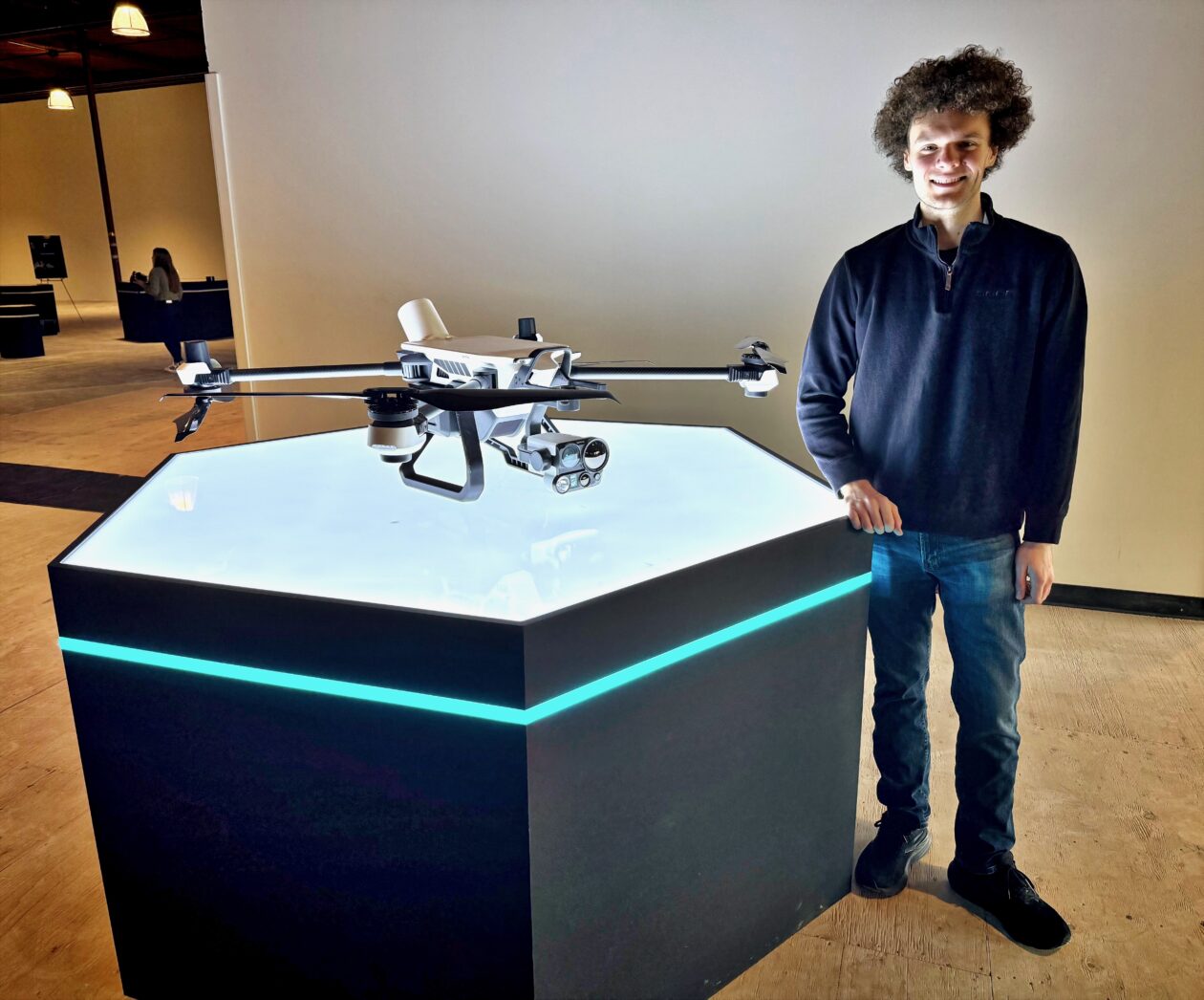
Blake Resnick, the founder and CEO of Brinc Drones, has always dreamed big with his company’s products. Standing tall in Seattle’s Queen Anne neighborhood, where the company just opened its gleaming new headquarters and factory, Resnick unveiled the Guardian, their most ambitious drone yet. It’s not just another flying gadget; it’s designed to leap into the skies and take on the role of a police helicopter. With a grin that spoke of years of hard work paying off, Resnick shared his ultimate goal: to create the most capable 911 response drone around, zooming out from emergencies instead of those costly choppers circling overhead. This drone represents a leap in public safety tech, aiming to get help to people faster and more efficiently.
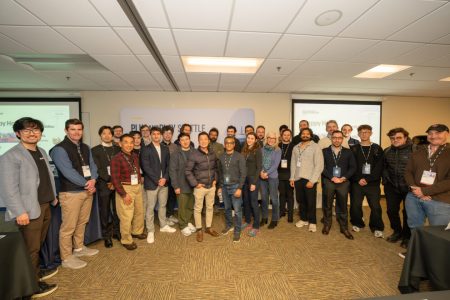
For Resnick, this moment felt like the culmination of nearly a decade of passion. “Getting this out is a big deal for me,” he said, reflecting on the organizational hurdles Brinc overcame to build the Guardian. From scratch, they’ve grown into a team capable of engineering and manufacturing a drone that could revolutionize emergency responses. The celebration at the new facility wasn’t just about the product; it was a testament to Resnick’s persistence and vision. Wealthy sponsors and the tech community crowded in to witness the reveal, turning the event into a lively affair filled with energy and anticipation for what this drone could mean for communities nationwide.
What sets the Guardian apart is its futuristic connectivity. As the world’s first Starlink-connected drone, it features an integrated panel on top that provides unlimited range, anywhere on the globe. No more losing signal in remote areas where regular cell towers or land-based networks fade out—this drone stays linked, streaming crucial data back to responders in real-time. Paired with the Guardian Station, a clever robotic charging nest, it automates battery swaps, cutting down recharge times so the drone can jump from one mission to the next without a hitch. It’s like having a tire pit crew for emergencies, ensuring the Guardian is always ready to redeploy.
Dive into the specs, and the Guardian impresses with its robust capabilities. It boasts a 62-minute flight time and can cover up to eight miles at a top speed of 60 mph—nearly triple the range and speed of previous models. Dual 4K cameras offer a massive 640x optical zoom, while thermal imaging from HD cameras provides 64x zoom for spotting heat signatures in the dark. A blazing laser-excited phosphor spotlight throws out 1,000 lumens in a tight beam, illuminating scenes like daylight. And for autonomy, it integrates with computer-aided dispatch, auto-launching on 911 calls straight to GPS coordinates, making it an almost instant first responder.
But the Guardian isn’t just about surveillance; it’s a versatile lifelinesaver with extras like a speaker three times louder than a police siren, a built-in laser rangefinder for precise measurements, and a ballistic parachute that deploys independently in emergencies. The robotic station isn’t limited to batteries—it can swap in payloads like defibrillators for heart attacks, flotation devices for drowning victims, or even Narcan for overdoses. Measuring 75 inches wide when unfolded and weighing just under 39 pounds (up to 48.6 pounds with gear), it’s portable yet powerful. Resnick sees a massive market ahead, with its 900 current U.S.-based customers growing into tap the needs of 20,000 police departments, 30,000 fire stations, and beyond, potentially equipping half with $100,000 setups.
Comparing the Guardian to cost-prohibitive police helicopters, which can run over $4 million plus thousands per flight hour in fuel and maintenance, Resnick couldn’t be more optimistic. “When you compare the cost, we’re in a different universe,” he chuckled, envisioning scenarios like chasing stolen cars or scoping burning buildings at a fraction of the expense. It’s not just about money—it’s about democratizing emergency tech, making advanced responses accessible to more communities. As Brinc pedals hard with the Guardian’s debut, Resnick and his team are betting on innovation to transform how we handle crises, one reinforced buzz from the skies at a time. The future of public safety just took flight, and it feels both exciting and crucially human.