





Pioneering Accessibility in Space: Michaela Benthaus’ Historic Journey
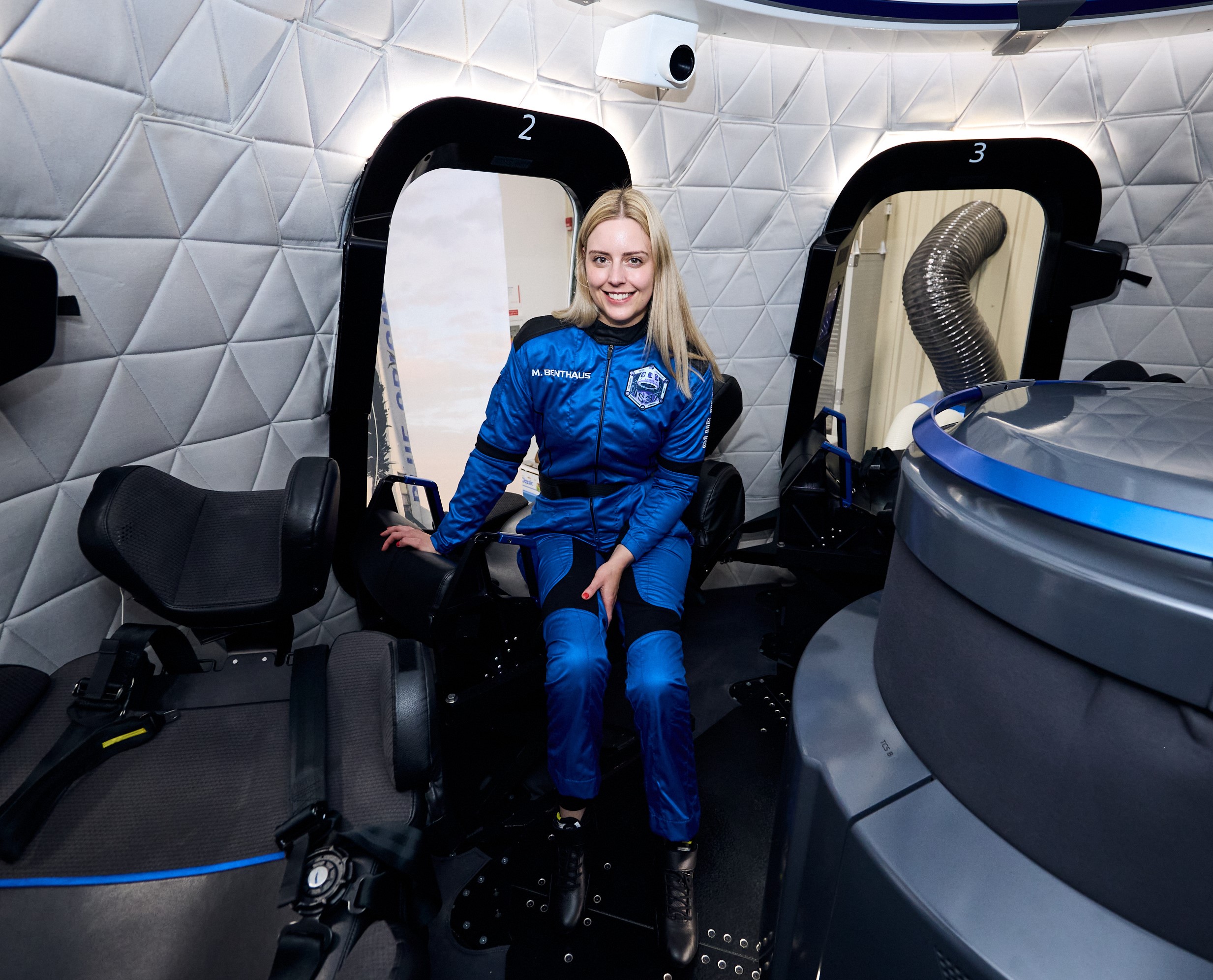
In a watershed moment for space exploration and accessibility, German-born aerospace engineer Michaela “Michi” Benthaus stands at the threshold of becoming the first wheelchair user to travel to space. This groundbreaking mission, organized by Jeff Bezos’ Blue Origin, represents not just a personal triumph for Benthaus but a significant milestone in the ongoing effort to make space accessible to all humans regardless of physical ability. Though the launch was delayed due to technical issues detected during pre-flight checks at Blue Origin’s West Texas facility, the mission—designated NS-37—remains poised to make history as soon as the technical concerns are resolved. The significance of this moment transcends the mere act of sending another human above the Kármán line; it challenges fundamental assumptions about who belongs in space and reimagines the future of human space exploration as a more inclusive endeavor.
Benthaus’ journey to this historic moment illustrates both personal resilience and the changing landscape of space access. As a child, she developed what she described as a “mega fascination” with space, setting her mind on becoming an astronaut when she was just ten years old. This dream seemed permanently derailed in 2018 when she sustained a spinal cord injury during a mountain biking accident that left her unable to use her legs. At that moment, Benthaus believed her astronaut dreams “would never happen.” Yet her path back to space began in 2022 through AstroAccess, a project dedicated to expanding space opportunities for people with disabilities. After experiencing weightlessness on a zero-G flight arranged by the organization, Benthaus went on to command an analog space mission at Poland’s Lunares Research Station. Now at 33, she approaches this suborbital flight not just as a personal achievement but as a trailblazing moment for disability inclusion in space. “This feels like an important step, since space travel for people with disabilities is still in its very early days,” she wrote on LinkedIn. “I might be the first—but have no intention of being the last.”
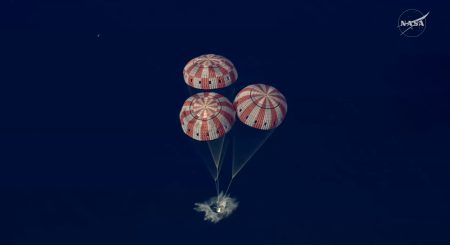
Blue Origin’s efforts to make this historic flight possible required substantial adaptations to their facilities and procedures. For years, the company has been enhancing accessibility at its New Shepard launch site, including adding an elevator to the seven-story launch tower to accommodate wheelchair users. These modifications were driven in part by a company business resource group called New Hawking, named in honor of renowned physicist Stephen Hawking, who used a wheelchair due to ALS. The NS-37 mission, when it eventually launches, will be Blue Origin’s 37th New Shepard flight and the 16th to carry human passengers beyond the internationally recognized boundary of space at 100 kilometers (62 miles) altitude. To date, 80 individuals have experienced the brief but transformative journey aboard New Shepard, including Bezos himself, with six people having made multiple trips. During their flight, Benthaus and her five crewmates will experience several minutes of weightlessness while enjoying the spectacular curved-Earth view against the backdrop of space, before their capsule descends back to Earth by parachute while the reusable booster makes an autonomous landing.
Joining Benthaus on this pioneering mission is a diverse crew representing various backgrounds and professions. Hans Koenigsmann, a German-American aerospace engineer who was an early team member at SpaceX, brings decades of experience with reusable spacecraft. Joey Hyde, a physicist and quantitative investor recently retired from hedge fund Citadel, comes to the mission with a scientific background and a family of five waiting for his return. The crew is completed by business executive Neal Milch, entrepreneur and mining engineer Adonis Pouroulis, and computer scientist Jason Stansell, a self-described space enthusiast with deep roots in West Texas. Together, they form a crew that represents the democratization of space access that companies like Blue Origin have been working toward. Beyond human passengers, the mission will carry more than 20,000 postcards submitted by students through Blue Origin’s nonprofit educational foundation, Club for the Future, in partnership with UNIQLO, Arm & Hammer Baking Soda Rocket Day, and Give Kids the World Village.
The financial aspects of Blue Origin’s space tourism program remain largely undisclosed, with the company typically not revealing how much passengers pay for their suborbital experiences. The pricing structure appears highly variable—some crew members fly as invited guests while others pay substantial sums, such as crypto entrepreneur Justin Sun who famously paid $28 million for his ticket in a widely publicized auction. This discretion about pricing reflects the evolving nature of the space tourism market, which continues to find its commercial footing while balancing accessibility, exclusivity, and sustainability. Regardless of the business model, Blue Origin has established itself as a leader in creating memorable space milestones, having already flown the world’s oldest spaceflier (former test pilot Ed Dwight at 90 years old), the youngest (Oliver Daemen at 18), and the first married couple to reach space together on a commercial vehicle (Marc and Sharon Hagle).
When Benthaus eventually completes her journey to space, the achievement will represent more than just another “first” in spaceflight history—it will fundamentally challenge the notion that space exploration is exclusively for those with perfect physical capability. Her flight embodies a more expansive vision of humanity’s future beyond Earth, one where disability does not define or limit potential. The technical delay in the launch serves as a reminder that spaceflight remains challenging and that safety must always take precedence, but it does nothing to diminish the significance of what Benthaus and Blue Origin are attempting to accomplish. As space access continues to expand beyond government astronauts to private citizens, Benthaus’ pioneering flight suggests that the final frontier may ultimately become accessible to all of humanity in its wonderful diversity. Her journey from a mountain biking accident that seemed to end her astronaut dreams to the cusp of making spaceflight history demonstrates that with determination, innovation, and institutional support, barriers that once seemed permanent can indeed be overcome.