






TerraPower’s Nuclear Milestone: A New Era in Sustainable Energy
In a significant development for America’s nuclear energy landscape, TerraPower, the Washington-based nuclear power company backed by tech luminaries Bill Gates and NVIDIA, has successfully cleared a critical regulatory hurdle. The company recently received the Nuclear Regulatory Commission staff’s final safety evaluation for a permit to construct a revolutionary reactor in Wyoming. This achievement positions TerraPower at the vanguard of next-generation nuclear technology in the United States, potentially becoming the first company to deploy a utility-scale advanced reactor on American soil. The milestone represents not just a corporate success but a potential turning point in how we address our growing energy needs while tackling climate change concerns.
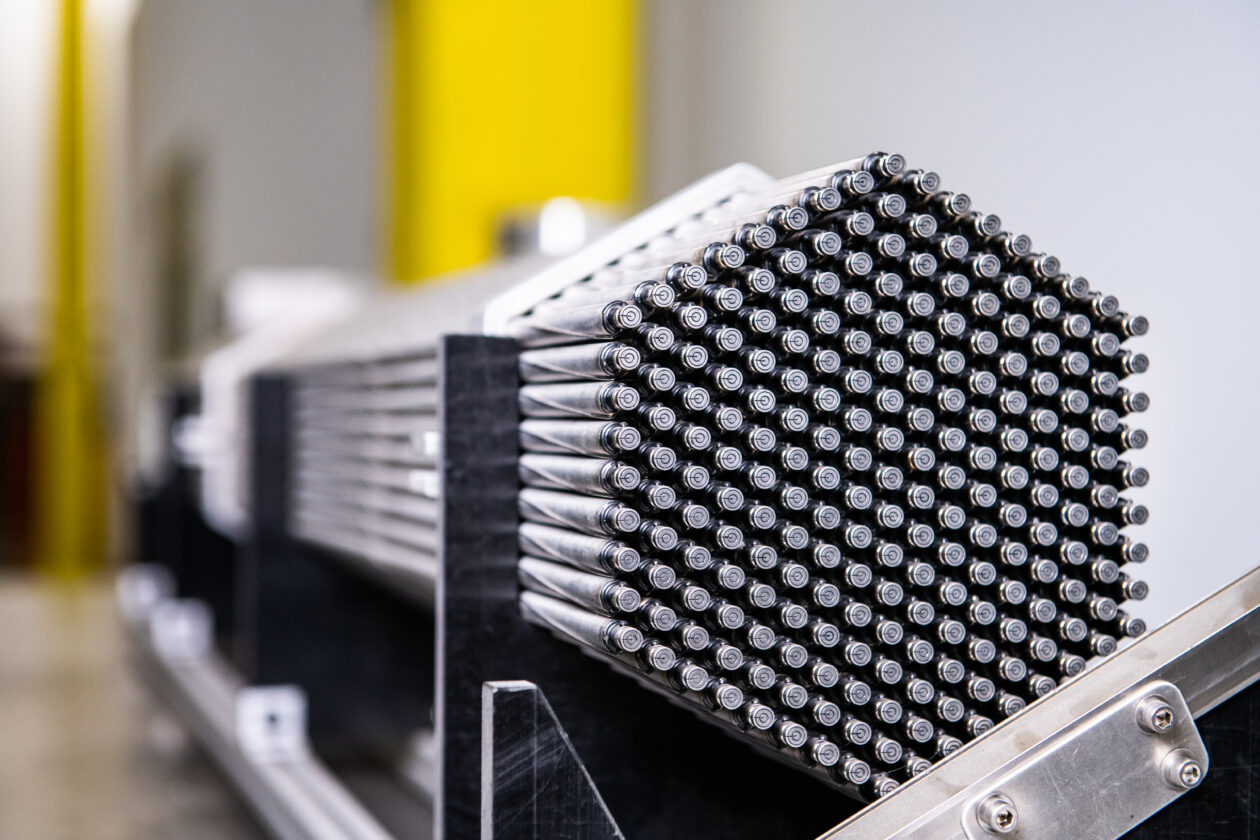
The heart of TerraPower’s innovation is the Natrium design, a sophisticated system that marries a small modular reactor (SMR) with an integrated thermal battery. This ingenious configuration allows the SMR to generate a steady 345 megawatts of electrical power under normal operations, while the thermal battery component, which stores excess heat in molten salt, enables the system to dramatically increase its output to 500 megawatts for more than five hours when demand peaks. To put this in perspective, at maximum capacity, the Natrium reactor could provide enough energy to power approximately 400,000 homes. This flexibility represents a breakthrough in addressing one of renewable energy’s greatest challenges—the ability to scale output in response to fluctuating demand without relying on fossil fuel backups. CEO Chris Levesque underscored the significance of this moment, describing it as “momentous” for the company and reflecting “years of rigorous evaluation, thoughtful collaboration with the NRC, and an unwavering commitment to both safety and innovation.”
TerraPower’s journey began in 2006, drawing upon proven technology from an experimental breeder reactor in Idaho that operated successfully for nearly three decades. The company’s current project in Kemmerer, Wyoming, strategically located near a retiring coal plant, aims to commence power production by 2030. This location is particularly symbolic of the energy transition underway in America—replacing a carbon-intensive coal facility with clean nuclear energy. What makes this development especially timely is the surging interest in nuclear power from tech giants and data center operators seeking reliable, carbon-free energy sources to fuel their AI operations. Industry leaders like Microsoft and Amazon have invested in both restarting existing nuclear plants and constructing new facilities, recognizing that the intensive energy demands of artificial intelligence technologies require robust, sustainable power solutions. The incoming Trump administration has also signaled its intention to streamline the permitting process for such projects, potentially accelerating America’s nuclear renaissance.
The regulatory process itself has moved with unprecedented efficiency, with Jeremy Groom, acting director of the NRC’s Office of Nuclear Reactor Regulation, noting that the technical review was completed “a month ahead of our already accelerated schedule.” This expedited timeline reflects the agency’s commitment to processing applications for new, advanced reactors in 18 months or less—a dramatic improvement over historical timeframes for nuclear projects. The NRC’s assessment concluded that there are no safety aspects that would prevent issuing a construction permit for the reactor, a critical vote of confidence in TerraPower’s design and safety protocols. The company has already broken ground on non-nuclear components of the Wyoming facility, demonstrating its confidence in the regulatory outcome and its commitment to maintaining momentum toward the 2030 target date.
Financial backing for this ambitious project has been substantial, with TerraPower announcing $650 million in new funding earlier this year from Gates and NVIDIA’s venture arm, adding to the more than $1 billion previously raised from investors including South Korean firms SK Inc. and SK Innovation. Beyond private capital, the U.S. Department of Energy has awarded the company approximately $2 billion, highlighting the federal government’s strategic interest in advancing next-generation nuclear technology. This robust financial foundation provides TerraPower with the resources needed to navigate the complex and capital-intensive process of bringing a new nuclear design to market. The company’s ability to attract both private and public funding speaks to the growing consensus that nuclear power must play a central role in our clean energy future, particularly as electricity demands increase with the expansion of data centers and AI technologies.
Despite this significant progress, TerraPower’s journey to deploying its Natrium reactor is not yet complete. The regulatory process includes additional steps: in the coming weeks, NRC staff will provide a safety evaluation and final environmental impact statement to the Commission, which will then determine whether the review supports issuing the construction permit. If approved, TerraPower will still need to submit and receive approval for an operating license application before the reactor can begin generating power. Nevertheless, the favorable safety evaluation represents a crucial milestone in what has historically been a lengthy and uncertain process for nuclear innovations. TerraPower’s progress signals a potential transformation in how America approaches nuclear energy—moving from decades-old designs to more efficient, flexible, and inherently safer technologies that can complement renewable sources and help achieve deep decarbonization of the power sector. As the world grapples with the dual challenges of increasing energy demands and reducing carbon emissions, TerraPower’s Natrium reactor offers a compelling vision of nuclear energy reimagined for the 21st century.