






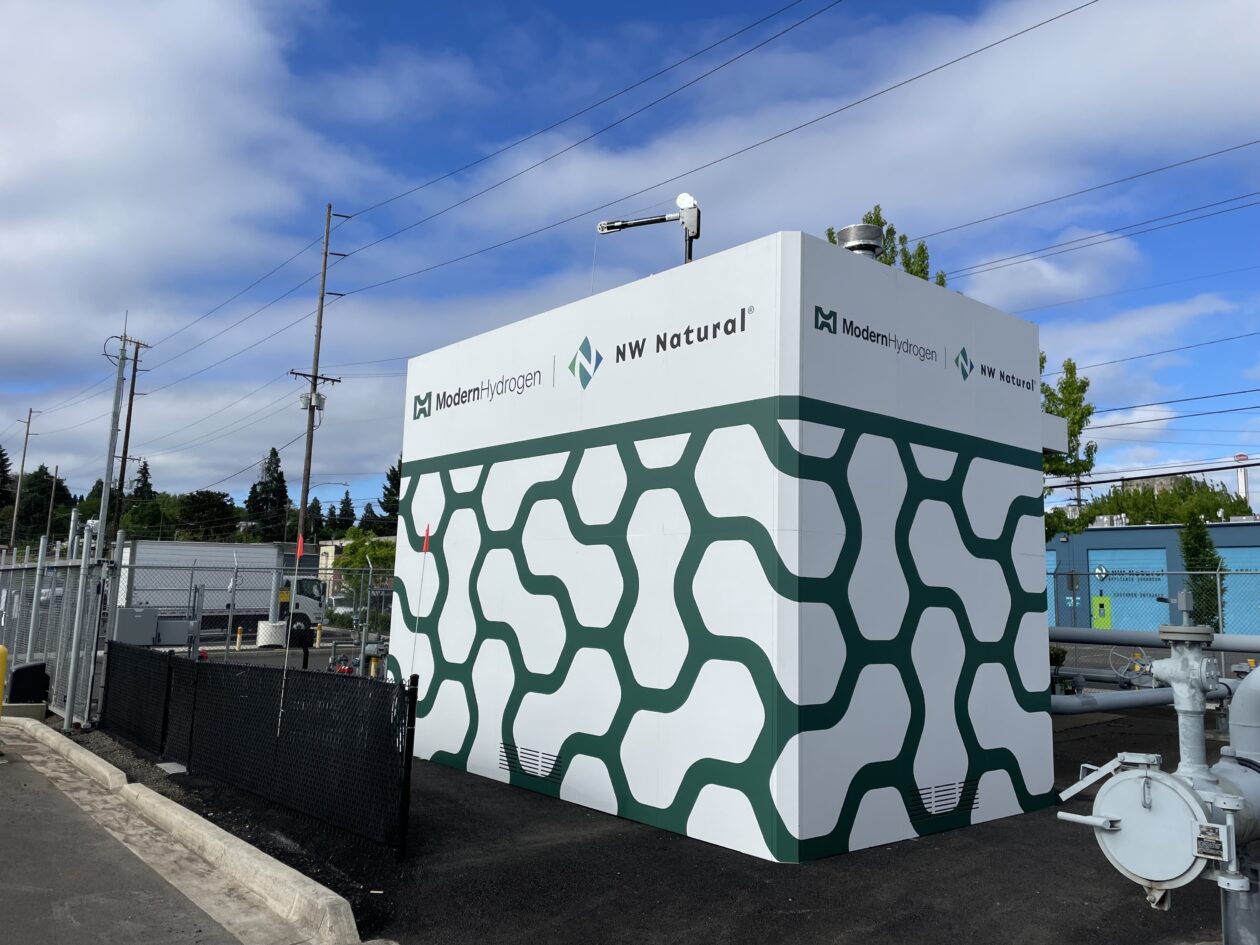
Modern Hydrogen’s Rise and Sudden Fall: A Clean Energy Startup’s Unexpected Downshift
In the heart of the Pacific Northwest, Modern Hydrogen emerged as a promising beacon in the clean energy landscape. The Seattle-area startup had developed innovative technology that cracked natural gas molecules to produce climate-friendly hydrogen fuel and solid carbon for industrial applications. This technology caught the eye of none other than Bill Gates, who personally visited the company in 2023 and playfully filled a parking lot pothole with the company’s carbon-trapping asphalt. The moment seemed to symbolize the practical impact this small company could have on global climate challenges. With $125 million raised over its decade-long journey, Modern Hydrogen appeared to be on a steady trajectory toward commercial success, making the recent news of massive layoffs and unpaid invoices all the more shocking to employees and business partners.
The company’s sudden downturn came at what appeared to be a pivotal moment of growth. Modern Hydrogen was preparing to deliver its first commercial unit to a customer in Texas and had successfully completed two pilot projects with utilities in Portland and Miami. Just this January, the company announced a collaboration with Puget Sound Energy to identify industrial customers—including steel and cement makers and pulp-and-paper manufacturers—who could benefit from hydrogen’s ultra-high temperature capabilities. “A lot of folks were rooting for us,” reflected Michael Jung, the company’s former government affairs and public policy lead. “I think we would have solved some key problems in the energy transition.” This sentiment echoes throughout the industry, as Modern Hydrogen seemed to have overcome the technical hurdles that plague many clean energy startups and was building genuine commercial momentum.
The unraveling began on October 30th, when Chief Financial Officer Amir Moftakhar sent an email to subcontractors and vendors announcing an immediate termination of their engagements due to “recent changes in our funding situation and a significant reduction in company operations.” The message referenced a “broader restructuring effort” but offered little explanation for the sudden change in fortune. One subcontractor, who requested anonymity, expressed concern about tens of thousands of dollars in outstanding invoices, noting that until the email arrived, “things were cooking along” in their collaboration with the company. The lack of transparency has left many partners anxious about payment and bewildered by the abrupt shift in a seemingly prosperous business relationship.
Modern Hydrogen’s journey began in 2015 at Intellectual Ventures, an innovation hub created by former Microsoft researcher Nathan Myhrvold with backing from Gates. Initially called Modern Electron, the company focused on devices that captured wasted heat from home appliances and converted it to electricity. In 2023, the company pivoted to hydrogen production and rebranded accordingly. Its most recent funding round raised $25 million just a year ago, and LinkedIn data suggests the company had approximately 80 employees at that time. The startup attracted an impressive roster of investors beyond Gates, including major utility NextEra Energy, along with Miura, National Grid Partners, IRONGREY, Starlight Ventures, Valo Ventures, and Metaplanet. This financial backing from industry leaders seemed to validate the company’s approach and technology.
The timing of Modern Hydrogen’s downsizing coincides with broader shifts in the political landscape for clean energy. The Biden administration had created hydrogen hubs across the United States to bolster the technology, but that funding and support has been largely curtailed under the incoming Trump administration. Perhaps more tellingly, on October 28th—just two days before Modern Hydrogen’s restructuring announcement—Bill Gates published a memo on his personal blog that significantly tempered his earlier enthusiasm for climate initiatives. “Although climate change will have serious consequences—particularly for people in the poorest countries—it will not lead to humanity’s demise,” Gates wrote. “People will be able to live and thrive in most places on Earth for the foreseeable future.” This marked shift in tone from one of the company’s most prominent backers raises questions about changing investor sentiment toward climate technologies.
As the dust settles on Modern Hydrogen’s unexpected restructuring, many questions remain unanswered. It’s unclear whether the company is closing entirely, what will happen to its machinery and intellectual property, or if some component of the effort will continue in a different form. CEO Tony Pan has not yet provided official comment on the situation. For employees who believed they were building a crucial piece of climate infrastructure, the layoffs represent not just a professional setback but the derailing of a mission they believed in deeply. For the clean energy sector as a whole, Modern Hydrogen’s struggles signal the persistent challenges of bringing innovative climate solutions to market, even with strong technology and substantial financial backing. The company that once appeared to have all the ingredients for success—promising technology, influential investors, commercial partnerships, and market readiness—now serves as a sobering reminder of the fragile nature of innovation in an evolving climate landscape. Whether this represents a temporary restructuring or the end of Modern Hydrogen’s vision, it underscores the complex journey from technological promise to sustainable business in the clean energy transition.