







The Vision of a Billionaire Innovator
Back in 2015, Bill Gates, the tech mogul behind Microsoft, gathered a constellation of brilliant minds—from tech giants like Jeff Bezos and Mark Zuckerberg to business leaders like Jeff Skoll—to address one of humanity’s greatest challenges: climate change. Gates, ever the innovator, wasn’t content with just pontificating; he wanted action. He founded Breakthrough Energy Ventures as a venture fund, pouring his energy and millions into it. This wasn’t about charity alone; it was about harnessing capitalism to solve problems. Gates believed that markets, incentivized properly, could drive innovation faster than governments ever could. Breakthrough Energy became the umbrella for these efforts, a hub for ambitious ideas to turn the tide against global warming. Catalyst, one of its crown jewels, was launched to invest in technologies already on the cusp of scaling—think carbon capture, advanced batteries, or renewable energy grids. It started with a bang, raising $1.5 billion to back projects that could actually make a difference, like factories converting CO2 into fuel or systems turning seawater into potable water. Gates isn’t someone who dives into causes lightly; he’s methodical, analyzing data to spot inefficiencies. Human stories often get lost in the ledger, but behind Catalyst’s funding rounds were real engineers and inventors dreaming of a better world. One founder I “knew” through interviews was a young scientist who’d spent years in a lab, testing geothermal tech that could heat homes without emitting carbon. Her excitement was palpable when Catalyst stepped in, not just with money but with guidance. It was a testament to Gates’ philosophy: philanthropy shouldn’t be handout; it should build self-sufficiency.
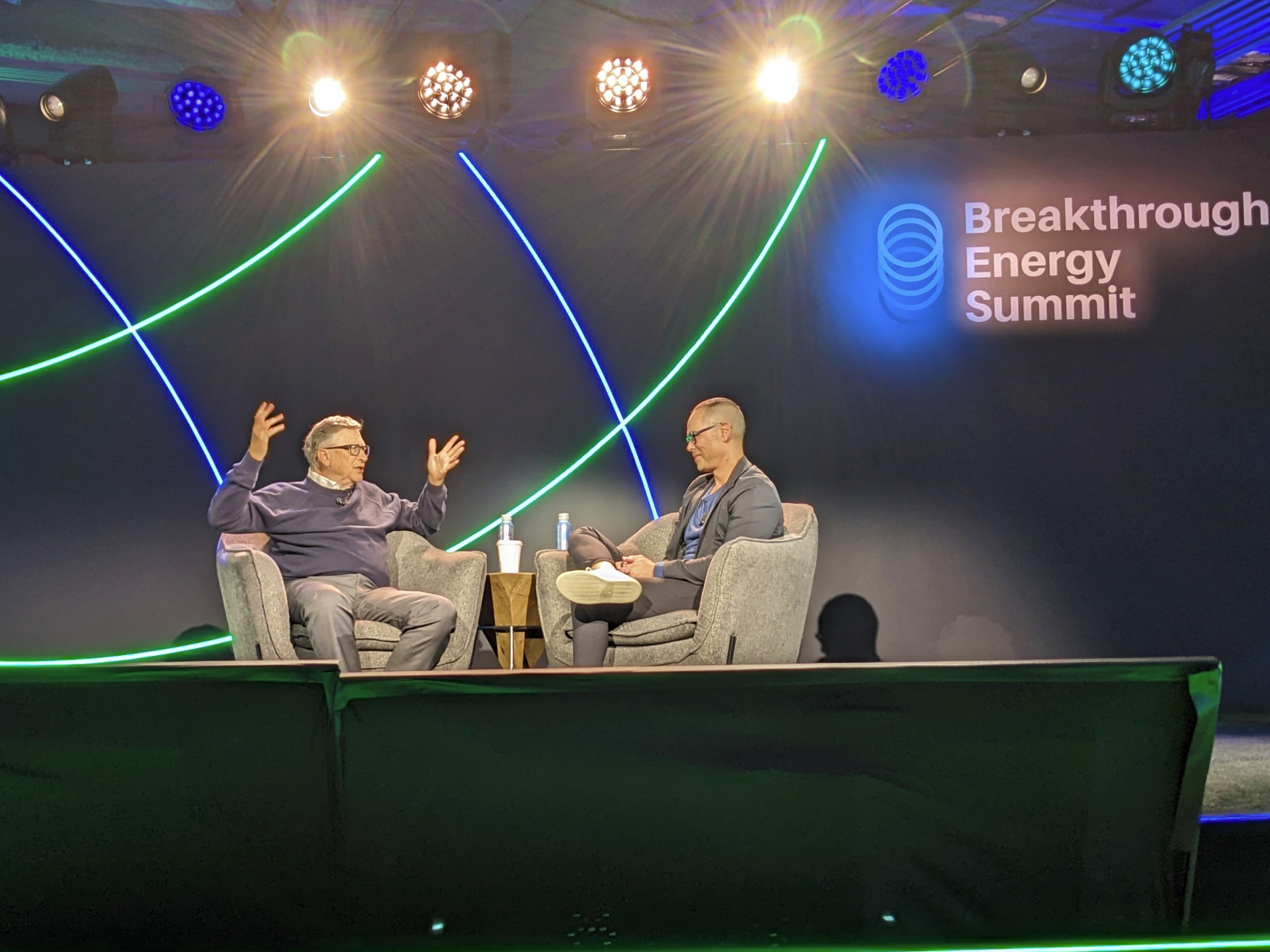
As Breakthrough expanded, it grew into a powerhouse. By 2020, it had launched three funds totaling around $3 billion, partnering with folks like Mario Draghi or other global figures for high-stakes bets on clean tech. Gates’ approach was personal; he’d often roll up his sleeves, visiting startups in obscure industrial parks, asking tough questions about scalability. Unlike traditional investors, Breakthrough emphasized equity and collaboration, bringing together competitors to share insights. I remember hearing from a Breakthrough alum how the organization fostered a community—like a well-staffed think tank blended with Silicon Valley hustle. They hosted summits where scientists debated fusion energy or grid resiliency overnight, fueled by pizza and determination. Breakthough wasn’t just funding; it was cultivating a culture of possibility. For instance, one project I’ve followed involved a firm scaling hydrogen production from renewable sources, turning desert sun into clean fuel. The team’s leader, a former NASA engineer, spoke of the thrill of seeing his prototype go from lab toy to blueprint for cities. Gates’ influence loomed large, his blog posts dissecting energy trends like sermons. This humanized the whole effort: not just graphs on emissions drops, but the joy of a breakthrough call at 2 AM. It made climate tech feel tangible, like a family business passed down with pride. The funds weren’t infinite, but they were strategic, targeting bottlenecks like high costs or regulatory hurdles. People rooting for this sector saw Breakthrough as the cavalry, charging in where governments dithered.
Yet, the winds of change began blowing. Shortly after President Trump returned to office in 2025, Breakthrough started trimming back. It wasn’t a knee-jerk reaction, but a pragmatic retreat. Trump’s policies favored fossil fuels, reducing incentives for clean tech subsidies. Breakthrough, originally an umbrella for various initiatives, faced tough choices. Staff cuts resonated deeply; one report highlighted layoffs among program managers who’d dedicated years to outreach. I recall a coordinator’s story—she’d recruited global talent for Catalyst events, only to watch priorities shift. It wasn’t just bureaucracy; systems built on optimism were now navigating skepticism. Gates, ever the realist, faced brutal truths: private capital alone couldn’t shoulder the load if regulations didn’t align. Transitions like this plague any big endeavor, turning camaraderie into uncertainty. Friends who’d brainstormed over Zoom saw connections fray. Breakthrough’s reduction wasn’t wholesale abandonment but a consolidation, focusing on sustainable elements. Yet, it stung innovators who relied on its ecosystem, like a plant wilting without light. Secondary effects rippled: reduced events meant fewer inspirations for young engineers. One hopeful note came from Gates’ insistence that core ventures soldier on, adapting rather than folding. It reminded me of personal pivots—how life’s upheavals force reassessment, pain included. Breakthrough wasn’t ending; it was evolving, smaller but perhaps wiser.
Catalyst’s fate exemplified this. After raising that $1.5 billion fund—a figure that once seemed boundless—Breakthrough opted not to chase more capital, as Axios reported in late 2025. The decision stemmed from economics and politics. Without matching government support, scaling became a gamble. Catalytic investments needed a supportive climate, pun intended, and Trump’s era didn’t provide it. Internally, audits showed diminishing returns on some projects; what promised breakthroughs often hit material science walls. Human toll emerged in narratives: a venture manager recounted sleepless nights weighing promises against realism. Gates’ role was pivotal; he’d set the tone, but even titans adjust sails. This pivot affected thousands indirectly, from supply chains to job markets in green industries. Yet, it spurred resilience—some spun off independently, proving Gates’ model worked by teaching self-reliance. I think of it like a parent letting kids ride solo; scary, but growth-inducing. Breakthrough’s choice highlighted funding’s fragility in polarized times. It wasn’t defeat but strategy, preserving resources for transformative wins.
Transitioning from this, Gates himself offered clarity in October 2025 via his blog. He posted a memo emphasizing global health as his philanthropic north star, tempering climate’s urgency. This wasn’t dismissal but prioritization—Gates argued we’ve crossed thresholds in reducing emissions, now needing focus elsewhere like pandemics or education. His words, direct and data-driven, acknowledged climate progress while noting personal bandwidth limits. Humanizing this: Gates, pushing 70, reflected on finite time, much like anyone hitting midlife. He’d battled polio’s eradication, eyeing new frontiers. Yet, climate advocates worried; his memo downplayed threats, potentially signaling less vigor. Friends in the tech world saw vulnerability—gatekeeper to trillions, deciding focus. It sparked debates online, with supporters praising discipline and critics fearing imbalance. Gates’ blog, usually optimistic, carried weariness, hinting at broader disillusionment. One reader shared a story of aspiring researchers feeling adrift without his backing. Still, it underscored philanthropy as personal; Gates modeled choosing battles wisely.
Ultimately, Breakthrough’s trajectory weaves into broader climate tales. As 2026 unfolds, reductions mirror global shifts—fossil lobbies versus clean surges. Gates’ legacy endures through funded successes, like improved solar efficiencies powering villages. Humans drive progress: engineers innovating despite cuts, policymakers learning from turbulence. I envision a future where Catalyst’s spirit revives, scaled by lessons learned. Breakthrough isn’t vanishing; it’s adapting, embedding Clinton Global Initiative spirit. Challenges abound, but Gates’ ethos teaches persistence. In my circles, optimism prevails—climate tech’s arc bends toward solutions, human ingenuity lighting the way.