





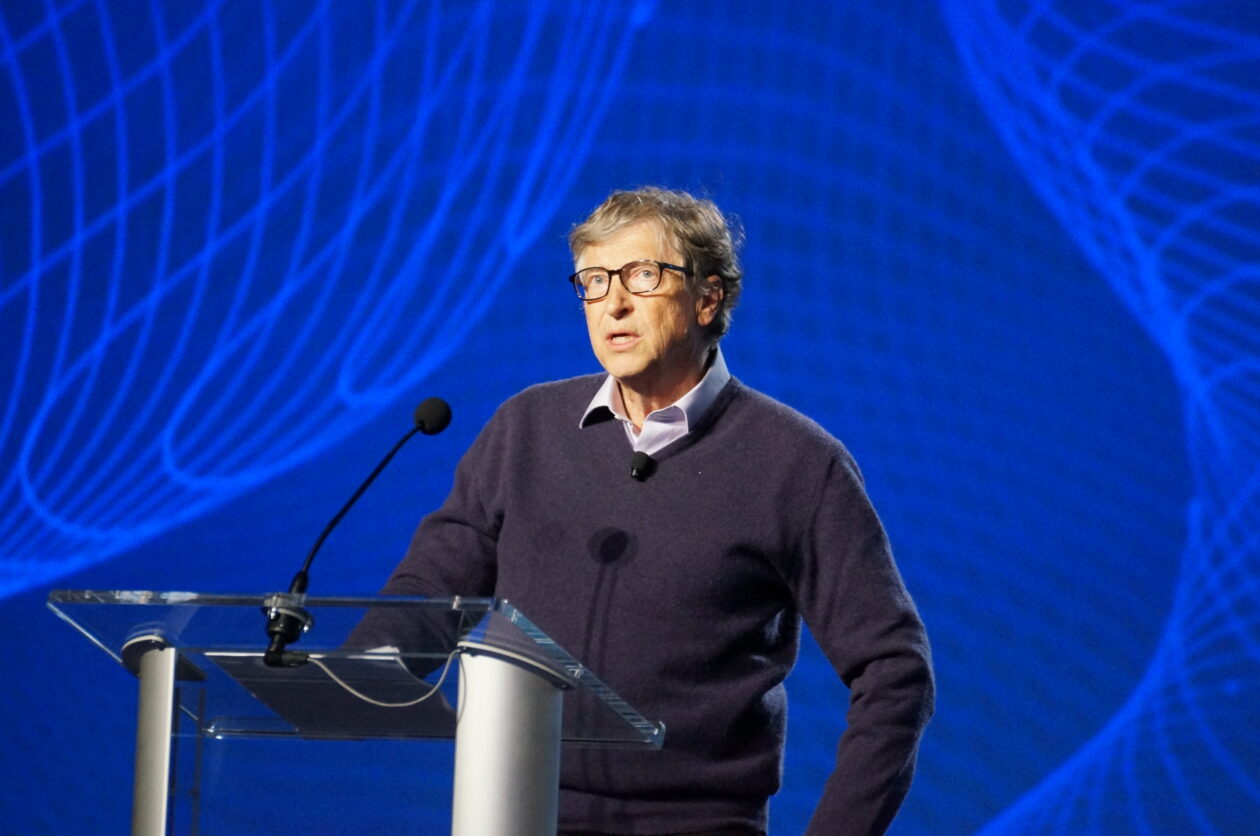
Bill Gates, the billionaire philanthropist and Microsoft co-founder, stood before a room full of Gates Foundation staff members during an internal town hall meeting on Tuesday, his voice steady but laced with unmistakable regret. It was a moment that humanized the tech giant, turning headlines into a deeply personal confession. In an era where Epstein’s shadow looms large over countless public figures, Gates owned up to his folly in a way that underscored the human cost of poor judgment. The Wall Street Journal’s reporting captured this raw vulnerability—Gates, once the epitome of innovation and foresight, apologizing not just for actions but for the trust eroded. You could almost picture the scene in that conference room: employees, many of whom devote their lives to the foundation’s noble causes like global health and education, processing the words of a man they’ve respected for decades. “I’m here to discuss the Epstein matter because it’s important to me that you know the full story,” Gates might have prefaced, his tone reflective, perhaps with a sigh that carried the weight of years. This wasn’t just about clearing the air; it was about restoring the humanity in a world that often views the ultra-wealthy as untouchable, reminding everyone that even visionaries can err. Gates explained how his interactions with the late financier Jeffrey Epstein were rooted in a misguided belief in potential philanthropy—Epstein’s promises of mobilizing resources for good causes—like charting a course toward unknown stars, only to find it led to a black hole of reputational damage. By calling his involvement “a huge mistake,” Gates bridged the gap between his public persona and private failures, inviting staff—and through them, the world—to see him as fallible, relatable, someone wrestling with the consequences of choices made in the rush of ambition. This apology wasn’t publicized for flair; it was an internal reckoning, a step toward healing the invisible scars on the foundation’s mission, where trust is as vital as vaccines in eradicating disease. Gates’ candidness here painted a picture of accountability in action, humanizing the apology into a lesson for all: even the brightest minds can stumble, and owning that opens the door to redemption. The room likely fell silent, the weight of Gates’ words hanging like a shared burden, as staff pondered not just the scandal, but the leader who dared to confront it head-on, proving that at the heart of philanthropy lies the fragile pulse of human integrity.
Delving deeper into the extent of Gates’ associations with Epstein, the town hall revealed a timeline of repeated encounters that spanned from 2011 to 2014, well after Epstein’s 2008 guilty plea for soliciting a minor for prostitution—a fact that casts a somber light on the persistence of those meetings. Gates admitted to arranging for foundation executives to join these discussions, believing Epstein could channel substantial funds into global health and development initiatives that the foundation holds dear. Imagine the internal turmoil Gates described: sitting in those meetings, perhaps in luxurious settings that masked the underlying darkness, while Melinda, his ex-wife, voiced her concerns in 2013, warning him of the risks. Yet, Gates pushed forward, driven by the allure of unparalleled resources—a mirror to the ambitious leaps that defined his career, from building Microsoft to tackling poverty. “I should have listened more closely,” he might have reflected aloud, his voice tinged with what-if remorse, as if rewinding the tapes of those fateful days. The human side emerges here not in villains or heroes, but in the gradual realization of entanglement. Gates insisted he never participated in or witnessed Epstein’s crimes, emphasizing, “I did nothing illicit. I saw nothing illicit.” But the admission alone humanized him; it showcased a man grappling with hindsight’s cruel clarity, regretting not just the time spent but the precedent it set for others. These were not clandestine plots but misguided collaborations, blinded by the glow of potential good. Staff in the room probably felt a mix of empathy and bewilderment—how could someone so influential have navigated such murky waters? Gates’ story here reflects the universal human experience of trusting the wrong person at the wrong time, of ambition overriding instinct, making his apology a relatable echo for anyone who’s ever rationalized a bad decision. It wasn’t just about Epstein; it was about the seeds of doubt planted in relationships, both personal and professional, reminding us that even philanthropists carry the burden of flawed judgment, and that speaking it aloud can peel back layers of isolation. In sharing this, Gates invited understanding, turning a chapter of missteps into a narrative of growth, where vulnerability paves the way for stronger foundations built on truth rather than illusion.
At the heart of Gates’ confessional town hall was a profound personal revelation: the disclosure of two extramarital affairs—one with a Russian bridge player and another with a Russian nuclear physicist—details that Epstein reportedly unearthed through Gates’ former science adviser, Boris Nikolic. This added a layer of intimacy to the proceedings, transforming a professional apology into a deeply human exposé of private life unraveling. Gates, ever the intellectual giant, likely framed it not as sensational gossip but as a catalyst for transparency, explaining how these elements intertwined with his Epstein encounters, amplifying the emotional stakes. Picture the vulnerability in that moment: Gates, a father, husband—even if divorced—and leader, owning up to his fallibility in matters of fidelity, his words carrying the ache of regret. “These were mistakes of my own making, compounded by how Epstein used them,” he might have elaborated, his tone softened by introspection, as if baring a part of his soul to those who trusted him. It humanized the billionaire, stripping away the myth of invincibility to reveal a man dealing with the messy realities of relationships, ambition’s temptations, and the humiliation of secrets exposed. Epstein’s revelation of these affairs wasn’t just titillation; it highlighted the perils of associating with someone who thrived on leverage, trading in confidences like currency. Gates’ staff, many of whom juggle careers, families, and the foundation’s high-stakes work, might have resonated with this glimpse into personal turmoil—reminding them that even icons face marital strife, longing, and betrayal. By tying it to the foundation’s values, Gates underscored how private lapses can ripple outward, eroding the very moral bedrock organizations rely on. “It’s about integrity,” he could have concluded, evoking empathy for the human condition, where desires clash with duties. This admission wasn’t performative; it was a bridge to relatability, showing that behind the philanthropy and innovation lies a person capable of genuine remorse, inviting staff to view him not as a paragon but as a peer in the complicated dance of life, where apologies mend what pride might initially break.
The broader implications of Gates’ Epstein ties for the Gates Foundation emerged as a poignant theme in the town hall, painting a vivid picture of reputational vulnerability in the delicate ecosystem of global philanthropy. Standing before staff whose daily efforts combat diseases and inequalities, Gates articulated how his past actions risked tarnishing the foundation’s image—a sobering reality in a world where public opinion can sway funding and partnerships. “Our work is very reputationally sensitive,” he acknowledged, his voice perhaps carrying the earnest plea of a guardian watching over a fragile legacy. You could envision the concern etched on his face, reflecting the emotional toll of realizing that one person’s misjudgments might derail a ship’s worth of goodwill. The foundation, as he noted, thrives on collaboration; partners could pull back, donors might hesitate, all because of associations that contradict the core values of uplifting humanity through health, education, and equity. This moment humanized the stakes: Gates wasn’t just defending his empire but empathizing with the staff who pour their hearts into initiatives like eradicating polio or advancing AI for social good. “It’s the opposite of everything we stand for,” he might have intoned, drawing parallels to the everyday battles staff face—juggling ethics, advocacy, and impact—where a single scandal can overshadow years of progress. Last week’s abrupt cancellation of his keynote at India’s AI Impact Summit amplified this urgency, as the foundation prioritized the event’s focus over personal controversies, a decision that spoke volumes about collective resilience. Gates’ candid responses to staff questions on the Epstein files, AI advancements, and global health futures underscored his desire for openness, humanizing the foundation itself as a living entity vulnerable to leadership’s flaws. In this light, the apology became a rallying call, urging everyone to navigate with heightened vigilance, reminding us that philanthropy isn’t immune to human error, but through accountability, it can emerge stronger, more authentic, and deeply connected to the shared fragility of trust.
Expanding beyond Gates himself, the Epstein saga unveiled a web of connections deeply embedded in Microsoft, the company he co-founded, exposing how the financier’s influence infiltrated tech circles in ways that shocked even seasoned observers. The New York Times report detailed an extensive network spanning over two decades, where Epstein accessed CEO search updates, offered advice to execs, and glimpsed confidential business—a revelation that humanized the corporate behemoth, revealing it as susceptible to personal entanglements. Figures like Nathan Myhrvold, the former CTO who vouched for Epstein’s introduction to Gates, Steven Sinofsky, the ex-Windows chief who shared secrets and sought counsel, and Reid Hoffman, the LinkedIn co-founder and current board member who visited Epstein’s island and communicated until 2018, painted a picture of unwitting complicity in a broader network. Microsoft spokesperson Frank Shaw expressed disappointment, framing the interactions as personal indiscretions, but the human toll echoed in sentiments like Myhrvold’s regret for ever crossing paths—all stemming from misplaced trust in shared academic and philanthropic circles, like TED conferences or science donors. This wasn’t just corporate gossip; it was a testament to ambition’s blind spots, where brilliant minds from the tech world mingled with darkness, blurring lines between innovation and exploitation. Gates’ advisory role at Microsoft and chairmanship of TerraPower added layers, prompting reflections on how such ties ripple through industries, affecting investments and ethics. The Seattle Times’ insights into Myhrvold’s regular Seattle and New York meetings with Epstein, including possible island visits and birthday book tributes, further humanized the fallout, showing friendships fraying under scrutiny’s lens. In these stories, we see echoes of ordinary human drives: camaraderie, mutual benefit, and the lure of connections, making the consequences feel profoundly personal. Epstein’s web didn’t just entrap individuals; it challenged institutions to reckon with vulnerabilities, turning corporate giants into mirrors of societal flaws. Gates’ part in this narrative added poignancy, as his foundation’s values clashed with these revelations, urging a collective introspection that every handshake, every meeting, carries unseen weight. Through this, the saga emerges not as isolated scandals but as a human cautionary tale, where the drive for progress can lead astray, yet acknowledgment fosters unity in confronting those missteps.
The ripple effects of the Epstein disclosures extended far beyond Gates and Microsoft, triggering a cascade of professional reckoning that illuminated the far-reaching human costs of association with the disgraced financier. Figures in high places stepped down or faced legal consequences, from Hyatt Hotels executive chairman Tom Pritzker resigning amid his ties, to Goldman Sachs chief legal officer Kathy Ruemmler departing, Norway’s former Prime Minister Thorbjørn Jagland facing aggravated corruption charges, and British ambassador Peter Mandelson’s arrest—all underscoring the inescapable fallout of moral compromises. This wave of accountability humanized the elite world, revealing how one man’s predatory network could unravel lives and legacies, turning boardrooms into arenas of introspection and sacrifice. Gates, still advising Microsoft and chairing TerraPower in Bellevue, along with Hoffman’s continued board role and Myhrvold’s leadership at Intellectual Ventures, navigated these waters with enduring involvement, their stories blending resilience with redemption. The Gates Foundation’s statement on internal town halls as scheduled forums for candid dialogue, coupled with Melinda’s 2013 warnings and the foundation’s denials of any actual Epstein collaborations or payments, highlighted a path of proactive transparency. Yet, the emotional undercurrent remained palpable: the sting of canceled engagements, like the India summit, and the relentless public gaze forcing introspection. In humanizing these events, we glimpse the collective catharsis—a reminder that power doesn’t shield from the consequences of poor alliances, but sincerity can rebuild credibility. Gates’ apology served as a beacon, encouraging others to confront their shadows, fostering a culture where mistakes, when owned, pave the way for renewal. As foundations, companies, and individuals emerge scarred yet wiser, the narrative shifts from scandal to synthesis, emphasizing empathy in leadership’s crucible, where human flaws meet the relentless pursuit of betterment, proving that even in turmoil, the capacity for change endures.