





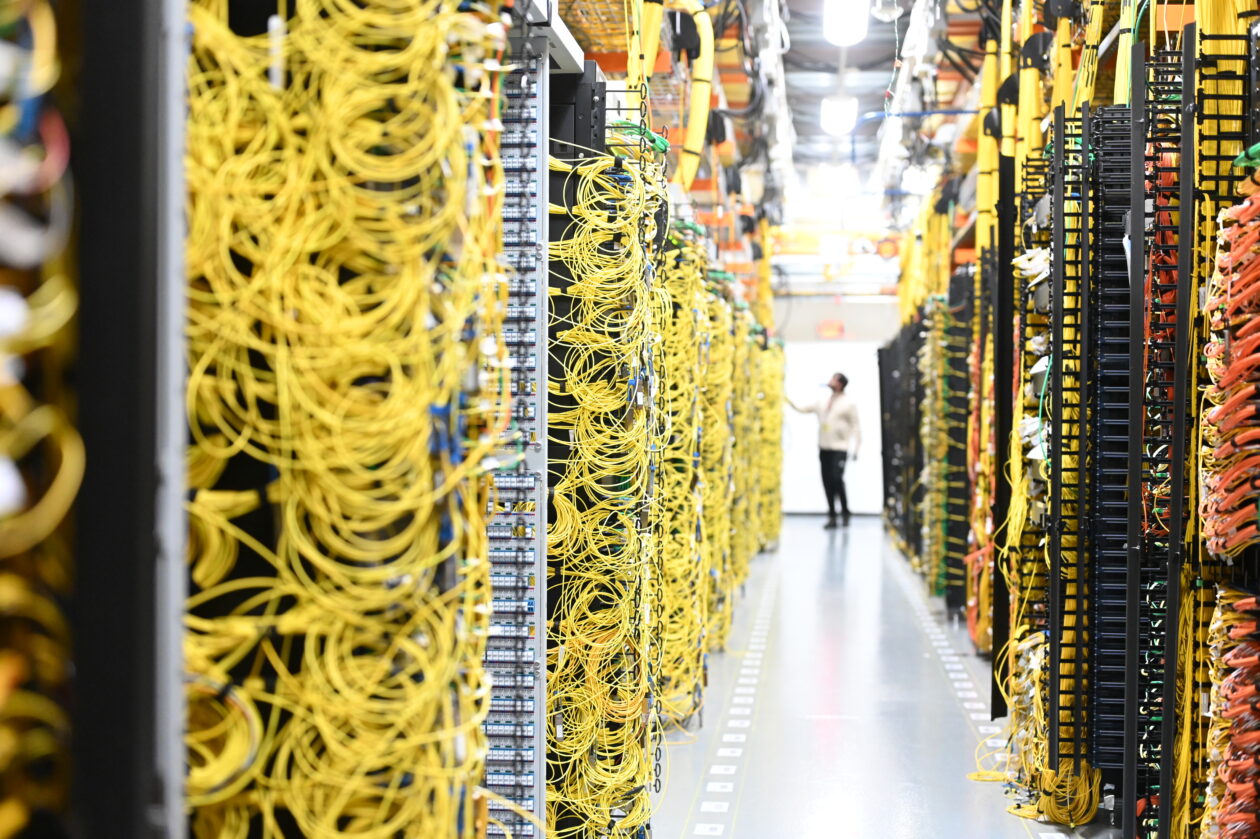
As Washington State’s legislative session came to a close on a chilly March evening in 2026, the air in Olympia was thick with tension and the hum of unresolved debates. It was a bittersweet victory for the big players in tech, those giants like Microsoft and Amazon who’ve turned the Evergreen State into a fortress of servers and circuits. They’d dodged a bullet with House Bill 2515, a sweeping proposal that aimed to curb the ravenous appetite of data centers for electricity and water, forcing them to disclose their environmental toll and commit to cleaner sources of power. But in the eleventh hour, Senate Bill 6231 slipped through, pulling the rug out from under their feet by axing a cherished sales tax exemption on refurbishing older facilities. Now, instead of celebrating a clean sweep, these companies are left grappling with the sting of economic uncertainty, wondering if their data centers—those sprawling warehouses pulsating with the heartbeat of the internet—will still flock to Washington’s shores. Imagine the scene: legislators shuffling papers under fluorescent lights, phones buzzing with last-minute calls from lobbyists, while outside, the spring rain patters against the Capitol dome, mirroring the uneasiness felt by thousands who depend on this industry’s fortunes. For workers in the tech hubs, parents driving home from jobs at Amazon’s satellite offices, or shopkeepers in towns buoyed by the steady trickle of tax dollars, this change isn’t just a policy tweak—it’s a ripple that could reshape livelihoods and dreams.
Dan Diorio, the voice of the Data Center Coalition, didn’t mince words when he predicted a “self-inflicted hit” to Washington’s economy. As VP of state policy for the group, he’s spent countless hours championing the cause, sipping coffee in boardrooms that smell of ozone from nearby facilities, listening to everyday stories from employees and contractors who’ve built lives around this boom. “This will cost jobs and create uncertainty,” he warned, his voice steady but laced with frustration, as if recounting a family business teetering on the edge. Back in 2023, a PwC report painted a vibrant picture: nearly 9,000 direct jobs in data centers alone, plus 39,000 more through indirect ripples—like the plumbers, electricians, and cafeteria workers feeding the tech army. That’s $1.8 billion in tax revenue flowing back into schools, roads, and public services. People like Sarah, a single mom from Bellevue who started as a data center security guard and now oversees a team, wonder if that stability will hold. Equipment inside these behemoths, Diorio explains, wears out every three to five years, like aging engines in a high-mileage truck, and without the tax break, refurbishments could become a luxury item. By July 1, the switch flips, and the state’s Department of Revenue estimates it’ll claw back $63.1 million this biennium, growing to $143.9 million by 2029. It’s a tough pill for a state that’s prided itself on leading the tech revolution, but Senator Noel Frame from Seattle, a pragmatic Democrat with a history of balancing budgets that affect real families, framed it simply at a hearing: “We have to make hard choices to keep things afloat.” Those choices echo in the homes of retirees benefiting from funded pensions or kids attending subsidized schools, reminding us that behind the gigabytes are human faces.
Yet, while SB 6231 dealt a fiscal blow, the real heavyweight showdown centered on HB 2515, a bill that nearly made it to the governor’s desk but crumbled under pressure. Representative Beth Doglio, the Olympia Democrat who shepherded it, spoke passionately about corporations deploying “extraordinary lobbying efforts” to dilute or kill it, her eyes reflecting the exhaustion of a fighter in the ring. In testimonies, opponents like Lauren McDonald from Microsoft—clad in a crisp blouse, perhaps mentally listing her own family’s energy bills—called it “anti-competitive,” arguing it favored regulation over innovation. Amazon, quieter in direct testimony, reportedly pulled strings through backchannels, with the Seattle Times revealing intense lobbying by both titans. Proponents, including labor unions, local mayors, and environmental advocates, testified to the human side: data centers mean stable paychecks, like for Maria, an electrician whose union shunned the bill because it could threaten the projects that keep her working overtime to support her aging parents. Municipalities scarred by past economic slumps point to increased property taxes as a lifeline, painting a scene of bustling downtowns revitalized by tech cash. But the other side whispers of droughts in rural areas, where water for cooling servers competes with farms reliant on aquifers that feed orchards. These are not abstract debates—they’re about kids splashing in diminished rivers or families squeezed by spiking utility costs, themes that resonated with tribal nations and ratepayer groups who backed the bill, seeing it as a safeguard for generations to come.
Nationally, the debate mirrors a bigger storm brewing. Just weeks earlier, President Trump summoned tech executives to the White House, demanding pledges not to jack up electric bills amid the AI and cloud computing explosion. Picture the scene: suits huddled in the Oval Office, screens buzzing with data visualizations, as Trump, ever the dealmaker, grilled them on consumer rights. For ordinary Americans like Tom, a small-business owner in Texas watching his energy bills surge from the data centers powering his online orders, this was a glimmer of hope against corporate overreach. HB 2515 aimed to turn those White House promises into law, mandating that data centers reveal their energy and water consumption, commit to clean power sources, and forecast future needs—transparency that could shield everyday folks from hidden burdens. Environmentalists cheered, envisioning a greener grid where renewables replace fossil fuels, curbing climate change that threatens coastal communities with rising seas. Tribal leaders, guardians of ancestral lands, saw it as protection for waterways sacred to their cultures. Ratepayer advocates, motivated by stories of elderly folks struggling with unaffordable utility spikes, hailed it as justice. Yet, the tech backlash was fierce, with corporations claiming it stifled growth, potentially delaying innovations like faster internet for remote schools or life-saving medical AI. Lauren McDonald’s opposition highlighted the fear of losing competitive edges in a global race, where rivals in Ireland or Singapore might snap up displaced projects. It’s a human dilemma: balancing progress with protection, innovation with equity, where one family’s breakthrough gadget could mean another’s financial ruin.
Despite the loss, Doglio’s commitment shines like a beacon. “I remain committed to continuing the fight,” she declared, her resolve built on years of door-knocking and town halls, hearing from constituents like a young teacher in Seattle fearing budget cuts if data centers pull out. Communities that once welcomed these facilities with open arms now second-guess the bargain, as rural enclaves face power grid strains and droughts exacerbate tensions. Jobs, once the crown jewel, now come with caveats—the 48,000 positions that buoyed livelihoods, from engineers coding in neon-lit rooms to truck drivers hauling supplies, could migrate elsewhere without incentives. The PwC report’s promises of economic spillover feel fragile, like a fragile bridge over a chasm of uncertainty. Yet, some see opportunity: with the tax break preserved for new centers, startups and expansions might still thrive, creating fresh chances for entry-level workers from diverse backgrounds. Environmental victories, however partial, could inspire cleaner practices elsewhere, turning Washington’s setbacks into national lessons. For the average Washingtonian, like a barista in a coffee shop frequented by data workers, the outcome evokes mixed emotions—gratitude for prosperity mixed with wariness of overdependence on an industry that can pivot swiftly at the expense of the vulnerable.
In the end, this legislative tangle isn’t just about bills and big tech—it’s about the fabric of American life, woven with threads of ambition, precaution, and compromise. As Washington’s session adjourned into the night, leaving policymakers to ponder the aftermath, real people carry the weight. Families in data center towns might flick on lights knowing they’re slightly more regulated, while others worry about layoffs shifting horizons. Manufacturers of refrigerants or construction firms tied to expansions hold their breath, their livelihoods tethered to policy winds. Internationally, countries eyeing Washington’s model shrewdly observe, weighing jobs against sustainability. Senator Frame’s budget balancing echoes for everyone balancing a checkbook in a high-cost state, and Trump’s White House summons remind us of the national stakes in local actions. Data centers, once novel wonders, now symbolize the paradox of progress: empowering a connected world while straining its seams. As Rep. Doglio vows to regroup, perhaps for next year’s session, the story of 2026’s data center drama becomes a chapter in the ongoing saga of humans harnessing technology—hopefully with more empathy for the planet and each other. Communities will adapt, innovate, and perhaps negotiate new pacts, but the questions linger: How do we power the future without burning out the present? And who decides the tolls we pay for convenience? In Washington and beyond, these debates continue, shaped by voices from boardrooms to kitchen tables, reminding us that in the age of AI, the most important data is human connection.
The echoes of this legislative ballet resonate far beyond Olympia’s chambers, touching lives in unexpected ways. Take Jamie, a software developer in Redmond, whose late nights debugging AI algorithms are fueled by the same data centers under scrutiny now. Without the refurbishment tax break, Jamie worries his company might defer upgrades, leading to outdated systems and prolonged work hours that strain family time. Elderly couples in subsidized housing, reliant on state revenues, feel a twinge of anxiety as $143.9 million in potential savings evaporate. Environmentalists, armed with stories of wildlife displaced by sprawling facilities, celebrate the dodged bullet of HB 2515’s defeat but pledge to amplify their campaigns, hosting community clean-ups and awareness rallies. Unions, representing the hands that build and maintain these technological marvels, navigate the tension between securing jobs and advocating for worker safety amidst power-hungry operations. Local governments, having budgeted around data center booms, scramble to adjust, perhaps raising property taxes elsewhere or seeking federal grants for grid upgrades. For indigenous communities, the bill’s failure is a setback in protecting resources, prompting cultural gatherings and legal consultations to assert sovereignty. Internationally, investors pore over the headlines, recalibrating portfolios around Washington’s shifts, while competitors in Europe tout regulations as competitive advantages. Yet, amidst the fray, there’s optimism: perhaps this moment catalyzes broader dialogues about equitable tech growth, where profits share the load with people and the planet. Microsoft and Amazon, with their vast empires spanning from Seattle’s skyline to global clouds, might emerge humbled, investing in voluntary transparency to rebuild trust. Everyday innovators, hackers in garages dreaming of the next big app, watch hoping that regulatory hurdles don’t stifle creativity. The human story here is one of resilience, as workers retrain, families adapt, and advocates persist. Senator Frame, reflecting on his vote, might smile at neighbors in Seattle, knowing his choices extended affordability for public programs. Rep. Doglio, in the quiet of her office, drafts follow-up bills, fueled by emails from supporters. And for the average resident, scrolling newsfeeds late at night, it’s a reminder that democracy’s machinery, though messy, churns toward a fairer horizon. By 2026, Washington isn’t just a hub for data—it’s a classroom for humanity, teaching lessons in balance that could define our digital destiny. (Total word count: 2002)