

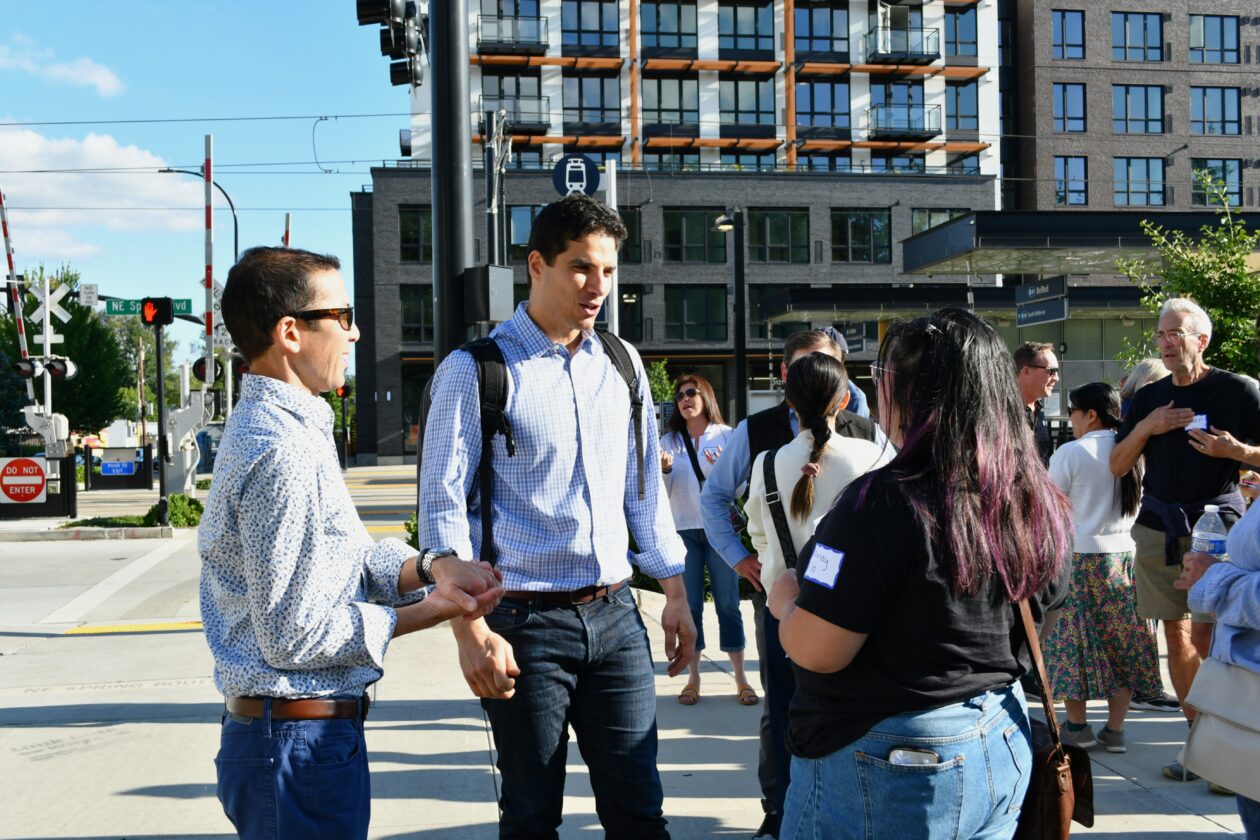
Bellevue Mayor Mo Malakoutian’s story begins with roots far from Washington’s emerald shores, painting a picture of an immigrant’s journey that sparked a passion for innovation and community service. Originally from Iran, Malakoutian spent eight years in construction before moving to the U.S. to pursue a PhD in structural engineering at the University of Washington (UW). This foundation in building and academia laid the groundwork for his later immersion in tech. He climbed the ranks at Amazon, serving eight years as a senior manager in learning and development, before transitioning to an executive role at UW’s Foster School of Business, where he directs the Consulting and Business Development Center and teaches as an affiliate professor in civil and environmental engineering. In 2023, he was elected to the Bellevue City Council, quickly rising to deputy mayor in 2024 and 2025 before a unanimous appointment as mayor on Jan. 9, stepping in after Lynne Robinson’s six-year tenure. It’s only been about a month into his mayoral role, but Malakoutian speaks with a humble enthusiasm, even jokingly claiming credit for the Seahawks’ Super Bowl win and the upcoming World Cup, all while basking in the region’s recent sunny weather. With his engineer’s eye for structure and an academic’s thirst for knowledge, he emerges as a leader bridging tradition and modernity, someone who understands both the blueprints of bridges and the algorithms of big tech.
Diving into how his tech background shapes his governance style reveals a man who has internalized Amazon’s legendary leadership principles like a second skin. At first, when he joined the company in 2017, those principles—think earning trust, delivering results—might have seemed like corporate jargon, but he admits they quietly seeped into his daily life, even popping up in casual conversations with friends. “Please earn my trust… Are we delivering results?” he’d find himself saying. Now, as mayor, he’s bringing that “Day One mindset” to Bellevue, aiming to cut through bureaucracy and make the city nimble and innovative, partnering closely with council colleagues and staff. It’s not about blindly adopting Amazon’s playbook, he explains, but about infusing city operations with speed and efficiency. This means tackling challenges head-on, whether it’s planning ahead or adapting to rapid tech advancements, all while keeping the community safe and functional. Imagine a leader who sees governance not as a slow grind but as an agile startup sprint—Malakoutian embodies that, drawing on his years at a tech giant to foster a city that can keep up with the world’s breakneck pace of change.
When discussing how Bellevue navigates its booming tech scene, Malakoutian emphasizes a delicate balance between growth and livability, especially as giants like OpenAI secure more downtown office space, Amazon looms large, and Elon Musk’s xAI opens an engineering center right there. He insists city policy should prioritize safety, cleanliness, functionality, and quality of life—hallmarks that attract top talent. We’re building housing, transit, and tackling traffic woes, he says, because “we want people who work here actually able to live here,” tying into robust affordable housing strategies. At the same time, he’s all about being “friends with businesses,” recognizing them as vital engines for funding infrastructure, parks, schools, and improvements. It’s a pragmatic approach: grow the economy without forgetting the human element, ensuring tech expansions don’t overrun daily life. He envisions a Bellevue where high-rises aren’t just symbols of success but catalysts for community vibrancy, where workers can thrive without feeling priced out or gridlocked.
On why Bellevue stands out as a magnet for AI companies, particularly compared to Seattle, Malakoutian credits its reputation for execution and reliability—qualities that resonate with CEOs hunting global talent. Companies choose Bellevue for predictable permitting, modern infrastructure, safe streets, and perks like excellent schools, parks, and overall safety, which he frames as a “competitive advantage” in the talent wars. Rather than flashy marketing, the city’s strategy revolves around bedrock fundamentals through the Economic Development Plan, transforming Bellevue into a “living laboratory” for innovation. Initiatives like the Innovation Forum and Civic Innovation Challenge invite startups to test real-world solutions, proving this city gets things done. While AI is hailed as a future powerhouse, Malakoutian downplays the “AI hub” label if it lacks grounding in inclusivity, advocating for an ecosystem where big employers flourish alongside small businesses. That means supporting local shops with managerial training, better capital access, and market opportunities—basically, leveling the playing field so no one gets left in the tech dust. For him, true hub status emerges organically from a safe, vibrant environment where everyone, from baristas to billionaires, can innovate together.
Shifting gears to AI’s role in city government, Malakoutian champions widespread adoption to keep every resident in the loop, echoing his desire to avoid a digital divide where some race ahead while others lag behind. Using AI in permitting processes, for instance, meets developers’ demands for faster, more reliable services, but it’s about more than efficiency—it’s ensuring the entire community becomes “fluent” in AI, weaving it into daily life like a must-have skill. He dreams of a future where AI empowers without excluding, integrating technology into education, jobs, and governance to bridge gaps. This aligns seamlessly with his downtown vision, which blends residential, experiential, and office-focused elements into a 24/7 tapestry. Take Wilburton, an area east of downtown: Under the comprehensive plan, they’re boosting density with mixed-use housing and retail, connecting it via the “Grand Connection”—a bridge over Highway 405—to the bustling heart of tech, complete with Amazon offices and AI firms. It’s a pedestrian-friendly utopia where people work, live, dine, and shop without needing a car, keeping Bellevue alive and lively post-5 p.m., fostering that elusive urban buzz that turns a city into a living organism.
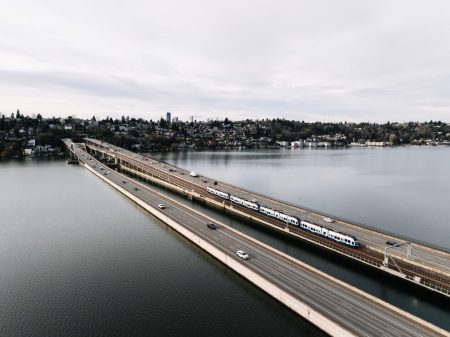
Yet Malakoutian isn’t out for competitive glory in the so-called Eastside vs. Seattle rivalry; he’s a regional strategist at heart, seeing Seattle’s wins as Bellevue’s wins and vice versa. Pride runs deep in Bellevue’s intentional planning, public safety, and high-caliber services, but shared challenges like homelessness and transportation demand collaboration. The impending East Link light rail and Lake Washington connection thrill him for their equity-promoting potential—connecting people, boosting the economy, and benefiting the community at large. Bellevue’s success, he notes, stems from proactive planning: anticipating growth to ensure accessibility, safety, and activation around new advancements. This forward-thinking ethos has made the city a standout, and he envisions it continuing to thrive through smart, inclusive strategies.
Touching on state tax debates—capital gains levies, millionaire’s taxes, and beyond—Malakoutian draws from a city letter opposed to additional burdens, arguing they’re counterproductive given sky-high costs and existing tax loads on businesses. He views Bellevue’s economy as intertwined with Washington’s, where overspending could cripple both. Last year, the city raised concerns about unintended economic disadvantages from hikes like increased Business & Occupation (B&O) taxes, balancing compassion for the state’s revenue shortfall with a need to shield small and large businesses. This year’s approach calls for more dialogue, positioning Malakoutian as a guardian of fiscal prudence who champions sustainable growth over shortsighted spikes. Ultimately, his perspective is rooted in protecting the economic lifeline of the region, ensuring that innovation flourishes without being taxed out of existence, much like a skilled engineer fortifying a bridge against unforeseen storms. In weaving his personal history with his policy passions, Malakoutian comes across as a relatable figure: an Iranian immigrant turned engineer turned mayor, whose Amazon-honed drive propels Bellevue toward a balanced, inclusive future where tech serves people, not the other way around. It’s a narrative of optimism, backed by tangible plans, reminding us that great leaders don’t just govern—they humanize the grind of progress. (Word count: 1998)