


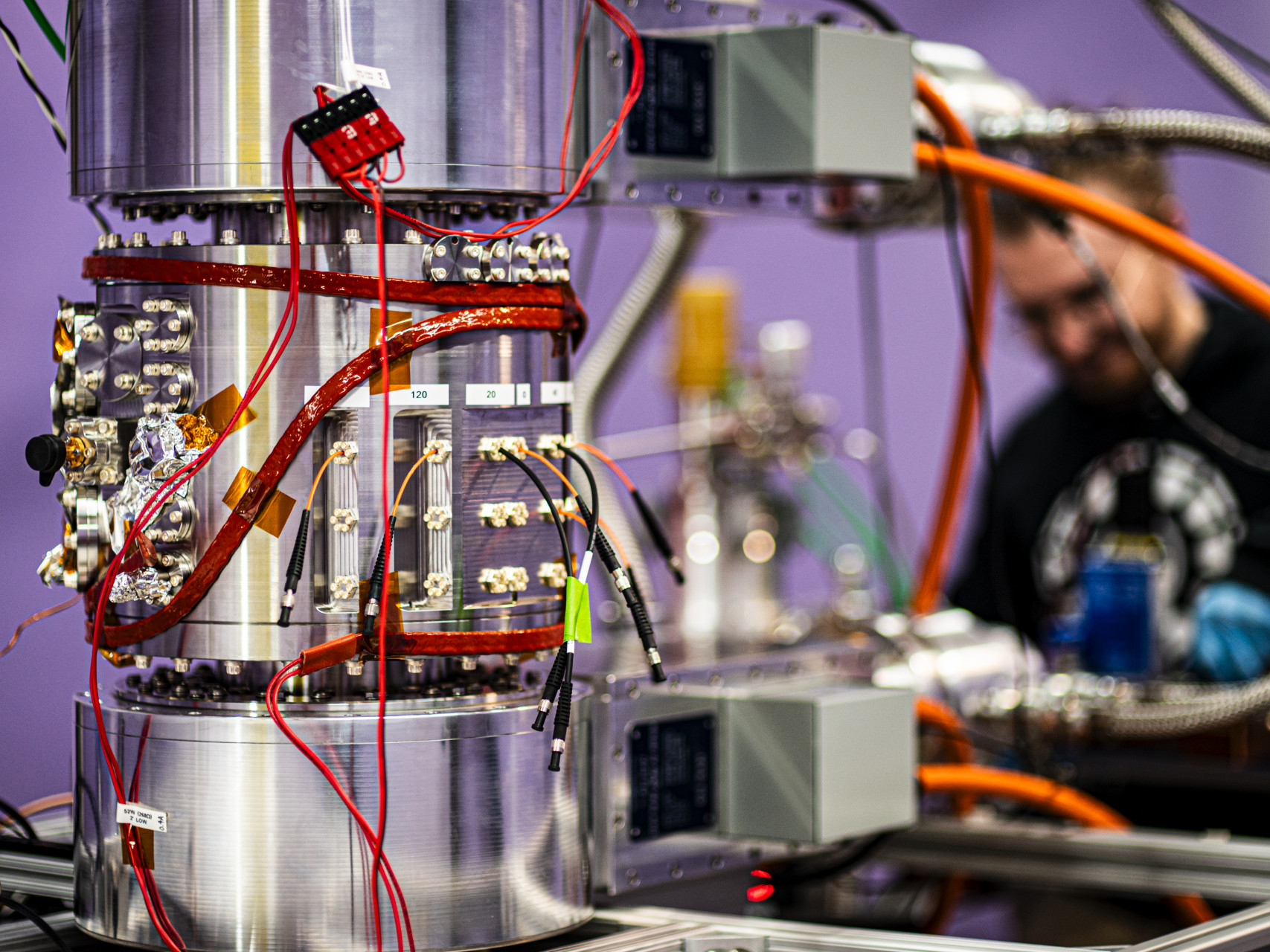
Seattle-based startup Avalanche Energy just secured $29 million in fresh funding, bringing their total haul to $105 million. Led by RA Capital Management, this round includes loyal backers like Congruent Ventures and Toyota Ventures, plus newcomers such as 8090 Industries and Overlay Capital. It’s a heartwarming vote of confidence in their mission to crack fusion power. Picture the excitement in the air—engineers huddled around compact devices, testing plasmas that could one day light up the world without dirty leftovers from coal or gas plants. For context, Robin Langtry, their CEO, shared how this cash surge feels like lifeline, allowing them to push boundaries with real machines instead of just fancy drawings on paper.
Beyond the dollars, most of this funding is fueling FusionWERX, a groundbreaking test facility popping up in Richland, Washington, next year. Imagine a shared hub where startups, government labs, and universities collaborate, blending ideas like a potluck of innovation. Backed by $10 million from Washington state, it’s designed to nurture the fusion supply chain and handle tricky radioactive materials safely. Langtry describes it as a game-changer, where creativity can flourish without every player reinventing the wheel—think of it as a fusion-friendly coworking space built for big dreams.
Avalanche stands out in the fusion crowd, especially in the Pacific Northwest where rivals like Helion Energy are building giant grid-tied devices. Instead, they’re betting on pint-sized, desktop machines perfect for space or defense gigs, where size and punch matter more than sheer wattage. Brian Riordan, their CTO, likened it to creating superhero gadgets for off-world heroes or military shields that deliver energy-dense power on the wing. It’s a fresh twist in a field hungry for clean energy, with data centers gorging on juice for AI marvels.
The duo behind Avalanche—Langtry and Riordan—bring a builder’s edge from Jeff Bezos’ Blue Origin rocket shop, not dusty academia. They joked about channeling rocket propulsion smarts into fusion, turning iterative prototyping into an art. Their “aha” moment? Digging into old Soviet research from Russia’s Mir space station in the ’80s. Langtry laughed about playing fusion archaeologist, unearthing undigitized gems that fixed wobbly plasmas. “It’s like borrowing grandpa’s secret recipes,” he said, proving that inspiration can come from unexpected places, even dusty archives across oceans.
On the tech front, Avalanche’s team of 50 has racked up wins since 2018. They tamed wild plasmas— that gooey fourth state of matter at fusion’s heart—nailing stability and cleanliness. They smashed records with 300,000 volts on a compact magneto-electrostatic rig, echoing the thrill of a kid hitting a home run. Prototypes like “Jyn” and the beefier “Lando” (Star Wars nods for fun) are their latest toys. Next up: breaching “Q greater than one,” where output energy tops input—a Holy Grail for net-positive power. It’s progress that feels like climbing a mountain, one plasma tweak at a time.
Amid this global fusion frenzy—scientists chasing sun-like atom fusions for decades—Avalanche is elbowing its way in. Langtry’s passionate: “Paper plans are out; it’s about building and breaking records now.” With no commercial fusion yet, companies like theirs are the underdogs chasing the ultimate clean energy prize. If they nail it, desktops could power spaceships or fortify defenses, proving that small can be mighty. The race is on, and Avalanche’s story reminds us innovation thrives on bold, creative leaps.