






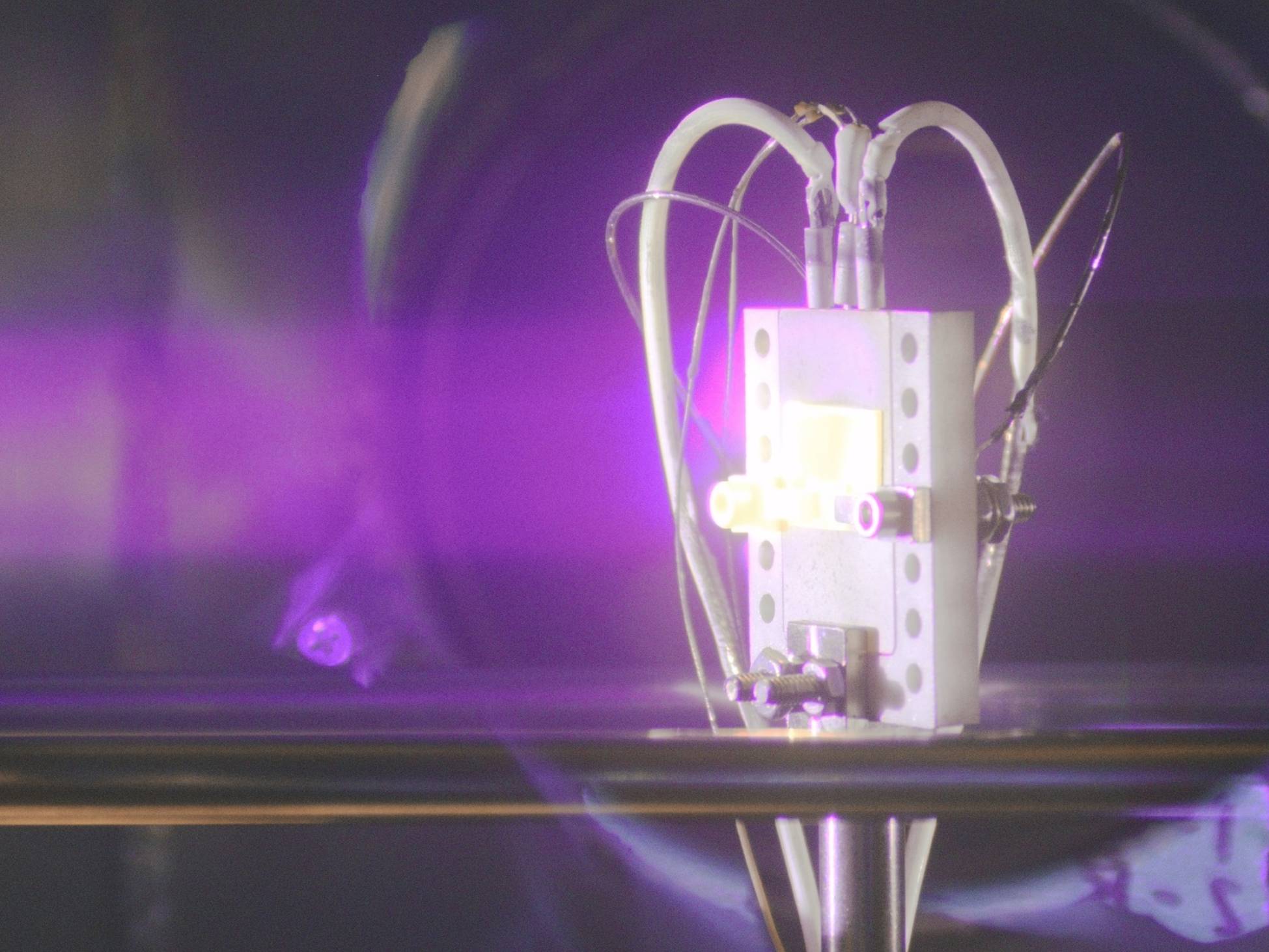
Imagine kicking off your day with a story that feels like it’s straight out of a sci-fi novel, but it’s all too real and buzzing with potential. On April 8, 2026, Seattle’s own Avalanche Energy made headlines by snagging a slice of a $5.2 million defense contract from the U.S. Department of Defense. This isn’t just any deal; it’s tied to the DARPA Rads to Watts program, a groundbreaking initiative aimed at crafting long-lasting batteries for places where traditional power sources fall flat—like deep-space missions or remote military ops where solar panels won’t cut it and refueling is a pipe dream. At the heart of Avalanche’s entry is their radiovoltaic converter, a prototype that’s been rigorously tested under high-energy ion-beam irradiation. Think of it as a tiny powerhouse that transforms alpha particles from radioactive materials into usable electricity, much like how solar cells harness sunlight photons. It’s efficient, compact, and could revolutionize how we think about power in extreme environments.
Let’s dive deeper into what this really means for Avalanche and the folks behind it. The company, led by physicist and materials science expert Daniel Velázquez, is all about pushing boundaries. Their team is engineering micro-fabricated energy cells that pack a punch, producing electricity directly from the decay of radioactive isotopes. Velázquez describes it with a mix of excitement and caution: “We’re aiming for a device that lasts indefinitely and pumps out power that’s way beyond what we see today.” Picture a battery weighing about 10 pounds that could keep a laptop humming for months on end, no plugs required. For context, that’s the size of a small backpack, but with energy density that dwarfs chemical batteries. The timeline is no joke—30 months to validate the underlying physics and roll out a working prototype. “It’s ambitious, sure,” Velázquez admits, “but that’s what drives us. We’re not just building a battery; we’re bridging gaps to fusion energy.”
Avalanche isn’t flying solo on this adventure. Their team is a powerhouse collaboration, including the University of Utah for innovative materials research, Caltech’s sharp minds in engineering, Los Alamos National Laboratory bringing expert simulations, and McQuaide Microsystems handling the intricate microfabbing. It’s a multidisciplinary effort that feels like a high-stakes puzzle where each piece slots in perfectly. Meanwhile, the nuclear battery space is heating up—Seattle neighbor Zeno Power is gearing up to demo their first full-scale system this year and hit commercial production by 2027. But Avalanche’s angle is unique: this project feeds directly into their grander vision of fusion power, the same process fueling our sun. Velázquez explains the parallel: “Capturing energy from nuclear decay is like training wheels for fusing atoms.” It’s all about honing their tech for that ultimate goal of clean, limitless energy, where reactions release immense power without the radioactive waste hangovers.
Zooming out, this award lands amidst a surging global race for fusion commercialization. With data centers booming and the world pivoting from fossil fuels to electrification, the hunger for innovative power is palpable. The Department of Energy is doubling down with a whopping $135 million over 18 months to turbocharge fusion research, as reported by Axios around the same time. Avalanche’s efforts dovetail seamlessly— this nuclear battery project isn’t a detour but a strategic pitstop. Since kicking things off in 2018, the startup has juggled multiple revenue streams, proving they’re not one-trick ponies. Just last month, they nabbed $1.25 million from AFWERX, the Air Force’s innovation hub, to cook up materials tough enough for hostile conditions.
Beyond batteries, Avalanche’s portfolio is diverse and dynamic. They’ve been leveraging their fusion machine to spit out neutrons for commercial clients, a steady revenue trickle that keeps the lights on. There’s also a Pentagon contract focusing on space propulsion tech, dreaming up ways to propel spacecraft farther and faster with less fuel. And don’t forget a state grant that birthed FusionWERX, a sprawling testing facility in Eastern Washington where fusion tech gets real-world validation. All this momentum built to a crescendo in February’s $29 million funding round, ballooning their total haul to over $105 million from VC investors and government backing. It’s a war chest they’re wielding across fusion, propulsion, and now these compact nuclear batteries—a far cry from the scrappy startup days.
Looking ahead, it’s easy to get swept up in the optimism. Avalanche’s work could redefine energy accessibility, making impossible missions feasible and daily tech more resilient. Velázquez and his team embody that quintessential startup spirit: smart, relentless, and always one breakthrough away from changing the world. As fusion teeters on the edge of practicality, projects like Rads to Watts remind us that small, targeted leaps—like turning radioactive emissions into electricity—can pave the runway for bigger dreams. It’s a reminder that innovation thrives on collaboration, ambition, and a dash of audacity, turning lab curiosities into tools that power our future. Whether it’s laptops that never die or spacecraft charting new frontiers, Avalanche is betting big on a brighter, more electrified tomorrow. And honestly, who wouldn’t root for a team turning particle decay into progress?