





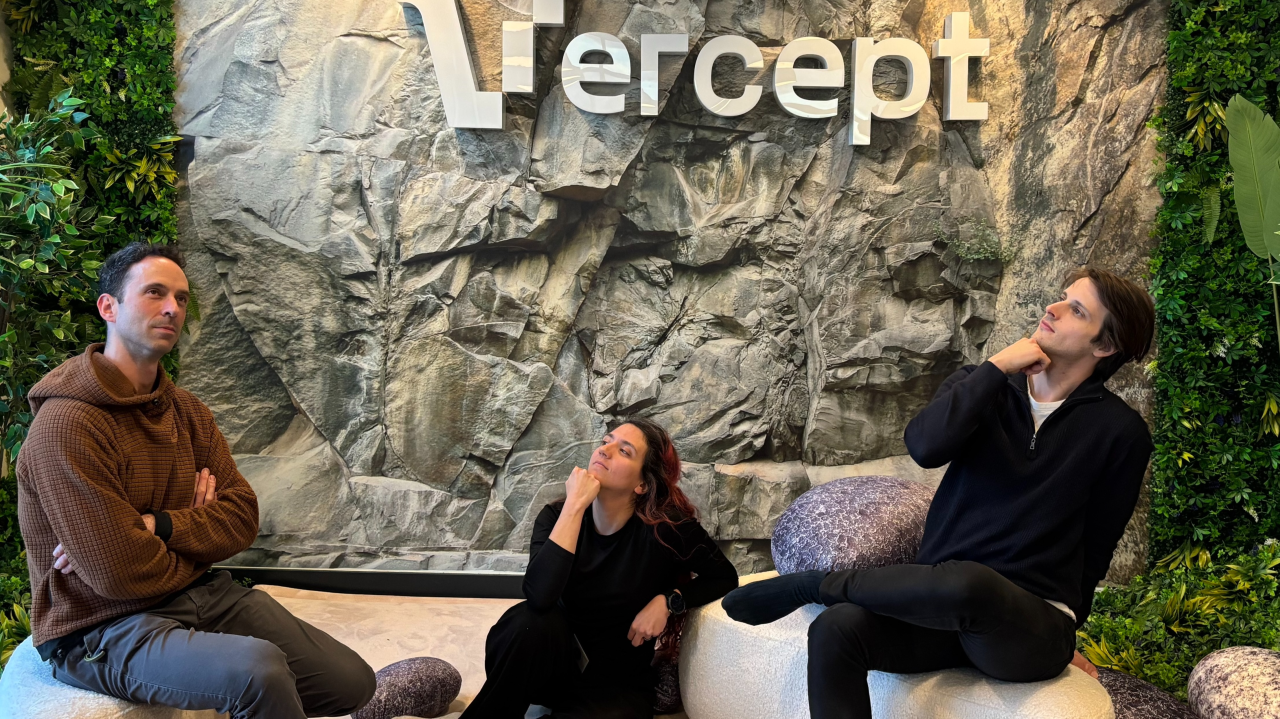
Paragraph 1: In a surprising move that highlights the fierce race to develop AI assistants that can navigate our digital world just like humans do, Anthropic has snapped up Vercept, a Seattle-based startup founded by brilliant minds from the Allen Institute for AI. The deal, revealed on Wednesday, brings Vercept’s innovative tech and some of its talented team right into the fold at Anthropic. But it’s not all smooth sailing—Vercept’s popular Vy app, which lets users automate tasks on their desktops with simple voice commands or demos, is set to shut down in just 30 days. Users are being nudged toward Anthropic’s Claude tools as a handy replacement, making this acquisition feel a bit bittersweet for those who relied on Vy for everyday efficiencies.
Paragraph 2: Anthropic, based in San Francisco, is buzzing about how this partnership supercharges their “computer use” abilities. Imagine Claude, their AI model, handling complex, multi-step jobs inside real apps—like juggling spreadsheets or orchestrating workflows across different tools. Vercept’s crew have been deep in the weeds for years, figuring out how AI can truly “see” and interact with the software we use daily. Anthropic calls this a match made in heaven, aligning perfectly with their toughest challenges in building safer, more controllable AI. It’s like two puzzle pieces clicking together to unlock bigger possibilities at the crossroads of AI and personal computing.
Paragraph 3: Vercept’s co-founders—Kiana Ehsani, Luca Weihs, and Ross Girshick—shared a heartfelt note with users, explaining that their mission has landed in a “bigger home” at Anthropic, where the focus is on steering AI toward safety and reliability. They see this as an exciting leap forward, letting them push boundaries even further. Financial details of the deal remain under wraps, but Poundtown kept things lean with just 20 employees, backed by an impressive seed round of $16 million that valued the company at $67 million post-money. Notorious investors like Eric Schmidt, Jeff Dean, Kyle Vogt, and Arash Ferdowsi jumped in, adding a layer of star power.
Paragraph 4: Ehsani posted on LinkedIn that the company raised over $50 million in total, including some undisclosed funding, and had a solid financial runway coupled with a successful product when the Anthropic offer popped up. She framed the decision as purely mission-driven, not about the cash—two teams chasing similar dreams from different angles. The vibe here is more about shared vision than a hostile takeover, emphasizing how complementary their approaches are in tackling the AI frontier.
Paragraph 5: Not everyone’s champagne is popping, though. Oren Etzioni, a Vercept co-founder and Seattle tech veteran, called the outcome “sad” in his LinkedIn post, even as he celebrated the team’s move to Anthropic. On the phone, he expressed pride in the group’s talent but admitted disappointment, noting it felt premature to call it quits after just over a year of strong traction. He even hinted at frustrations with the acquisition process, though the exact details stayed private. Investor Seth Bannon, from Fifty Years, chimed in with a Roosevelt quote about stepping into the arena, and the two had a polite back-and-forth in the comments, adding a human touch to the business drama.
Paragraph 6: Diving into Vercept’s backstory, it all started as an ambitious gambit to redesign the “computer interface of the future” by creating AI agents that observe screens and automate mundane tasks. Their Vy app stood out, using a custom model to understand UI elements and translate natural language into actions—be it data entry, content creation, or file organization—and it reportedly outperformed giants like OpenAI and Google on benchmarks. The founding team was a who’s who: Ehsani leading robotics at Ai2, Weihs on reinforcement learning, and Girshick, a computer vision trailblazer. Co-founder Matt Deitke bailed mid-2025 for a massive Meta gig, but Vercept kept innovating in a packed field with competitors like OpenClaw, OpenAI’s Operator, and Google’s Mariner. It’s a reminder that in AI, timing, partnerships, and sheer genius can make or break success.