




Amazon Agrees to $3.7 Million Settlement with Seattle Over Gig Worker Protections
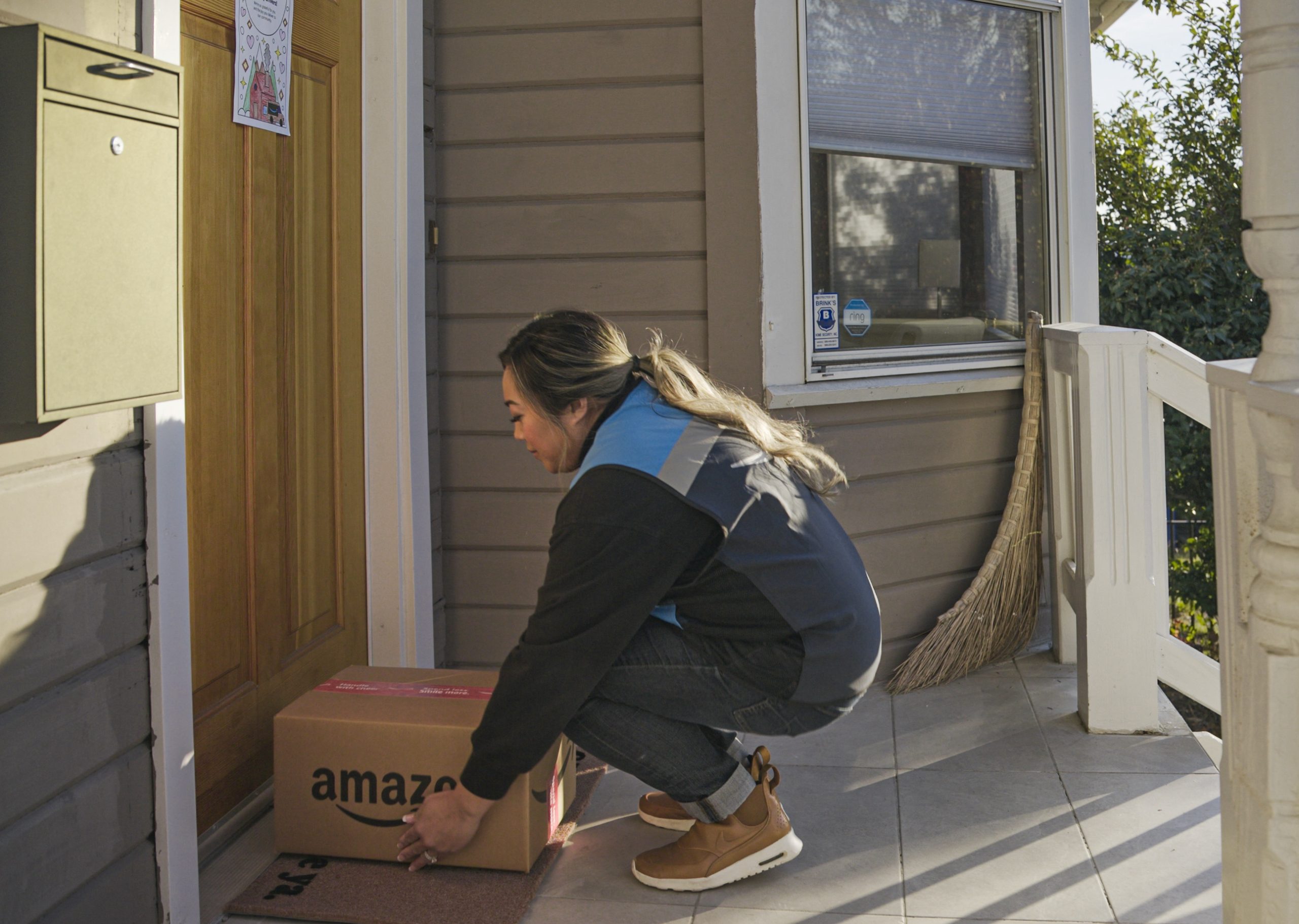
Amazon has reached a significant settlement with the City of Seattle, agreeing to pay more than $3.7 million to resolve allegations that it violated local ordinances designed to protect gig and app-based workers during the COVID-19 pandemic. The settlement, announced by Seattle’s Office of Labor Standards (OLS), addresses claims that Amazon failed to provide required premium pay and paid sick and safe time benefits to certain Amazon Flex drivers. According to the OLS, Amazon only offered these benefits to workers delivering food or groceries, but not to those delivering packages from Amazon’s warehouses. While Amazon has denied the allegations, the settlement represents a substantial acknowledgment of the city’s increasing focus on protecting gig economy workers who served essential roles during the pandemic.
The settlement will distribute nearly $3.8 million to 10,968 affected Amazon Flex drivers, along with $20,000 in fines paid directly to the City of Seattle. The allegations specifically covered violations of three city ordinances: the Gig Worker Premium Pay ordinance, the Gig Worker Paid Sick and Safe Time ordinance, and the App-Based Worker Paid Sick and Safe Time ordinance. OLS claimed that between August 2021 and October 2022, Amazon failed to provide premium pay to Amazon Flex workers who made deliveries with pickup or drop-off points in Seattle that weren’t related to food or grocery services. Additionally, the agency alleged that from January 2021 to January 2024, Amazon didn’t establish accessible systems for these non-food/grocery delivery workers to request and use paid sick and safe time, nor did it provide them with correct monthly notifications about these benefits.
Seattle Mayor Bruce Harrell emphasized the importance of the settlement, noting that “Gig workers served on the frontlines throughout the pandemic, providing critical services like grocery and food delivery to our vulnerable neighbors and elders.” He added that these workers “remain a valued part of our workforce today and deserve fair pay and protections.” The Amazon Flex program employs independent contractors who use their personal vehicles to deliver items across various Amazon business lines, representing a significant portion of the company’s last-mile delivery system. These drivers perform a variety of services, from delivering Prime packages to groceries from Amazon Fresh and Whole Foods, highlighting the complexity of classifying and properly compensating different types of gig work performed under the same corporate umbrella.
It’s worth noting that two of the ordinances at the center of this settlement—the Gig Worker Premium Pay and Gig Worker Paid Sick and Safe Time ordinances—were temporary measures enacted specifically during the pandemic emergency. With the lifting of Seattle’s emergency order on October 31, 2022, these particular ordinances are no longer in effect, though the broader App-Based Worker Paid Sick and Safe Time ordinance remains active. This settlement marks another significant enforcement action by Seattle’s Office of Labor Standards in its ongoing efforts to ensure compliance with the city’s progressive labor laws. According to OLS Director Steven Marchese, the Amazon settlement represents the second-largest in the agency’s history, demonstrating the city’s commitment to enforcing protections for workers in the growing gig economy.
The Amazon settlement follows another major enforcement action earlier in the year when Uber Eats agreed to pay $15 million to more than 16,000 delivery workers in Seattle over allegations that it violated laws regulating worker pay transparency. The majority of that settlement related to Seattle’s Independent Contractor Protections Ordinance, which passed in 2021 and aims to ensure clear and transparent payment practices for gig workers. These settlements reflect Seattle’s position at the forefront of creating and enforcing labor protections for gig workers, who often fall into regulatory gaps between traditional employment classifications. Affected Amazon Flex workers can expect to receive their settlement payments beginning around January 1, providing tangible relief following the alleged violations.
Despite agreeing to the settlement, Amazon has maintained its position that it complied with Seattle’s laws. In a statement, the company said: “The Puget Sound region is our home, and we’re proud to serve customers here while supporting the community through good job opportunities, support for local small businesses and organizations, and hundreds of millions in local investments. We’ve always complied with Seattle laws relating to providing paid sick and safe time to delivery partners — including when the City Council enacted emergency measures during the pandemic for food delivery app-based workers, and following the 2024 expansion of the rule to include all app-based workers.” The company added that while it “strongly disagrees with OLS on the facts of this matter,” it is “pleased to put it behind us and remain focused on continuing to improve the experience for our customers and the drivers who deliver to them.” This settlement highlights the ongoing tensions between gig economy platforms and municipal regulations as cities like Seattle work to establish meaningful protections for workers in evolving employment models that have become increasingly central to urban economies and essential services.