



Amazon’s Walmart-Sized Ambition: A Bold New Experiment in Physical Retail
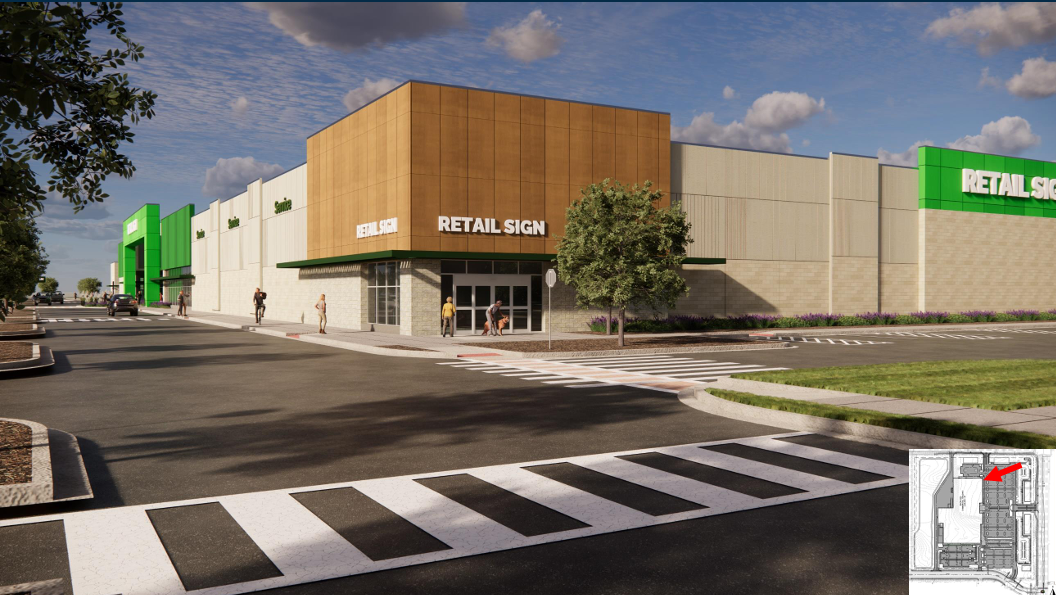
In a surprising strategic pivot, Amazon is preparing to launch what appears to be its most ambitious foray into physical retail yet: a massive 229,000-square-foot superstore in suburban Chicago that bears striking resemblance to a classic Walmart location. After two decades of disrupting retail primarily through digital channels, Amazon seems to be acknowledging that capturing the remaining market share requires building a physical presence that rivals its biggest competitor in scale and utility. The new concept, currently awaiting final approval from the Orland Park Village Board of Trustees, represents a fascinating evolution in Amazon’s experimental approach to brick-and-mortar retail—one that could fundamentally reshape the competitive landscape if successful and rolled out more broadly.
What makes this proposed superstore particularly intriguing is how it blends traditional big-box retail with distinctively Amazon technological innovations. According to planning documents, the store will offer fresh groceries, household essentials, and general merchandise—creating a one-stop shopping experience similar to Walmart’s supercenters. However, Amazon is enhancing this familiar model with digital integrations that leverage its e-commerce expertise. For instance, customers will be able to order items via app or in-store kiosks for fulfillment from an extensive “back of house” operation. This hybrid approach aims to solve a growing challenge in modern retail: the sometimes awkward coexistence of traditional shoppers and gig-economy workers fulfilling online orders in the same physical space. By creating dedicated areas for delivery drivers and separate pickup lanes for customers, Amazon is attempting to streamline the flow of goods without disrupting the in-store experience.
The Chicago-area superstore appears to be a substantial scaling-up of concepts Amazon has been testing in other formats. During planning commission hearings, Amazon representatives described how the digital and physical worlds would merge for general merchandise in practical ways. For example, a shopper who finds a blue sweater on the rack but wants it in red could use a dedicated app or kiosk to request the item from the back room, then pick it up at the front counter when finished shopping. This builds upon an experiment Amazon initiated at select Whole Foods locations—creating a “store within a store” that bridges the gap between specialty organic offerings and mass-market items. Last fall, Amazon unveiled an automated micro-fulfillment center attached to a Whole Foods in Pennsylvania, where shoppers could browse organic produce while simultaneously ordering non-Whole Foods items like Tide Pods or Pepsi through an app, with robots in the back selecting these items for pickup.
Industry analysts view this move as revealing a degree of “Walmart jealousy” that wasn’t previously apparent in Amazon’s strategy. As Mike Levin and Josh Lowitz of Consumer Intelligence Research Partners noted, while Amazon dominates e-commerce, online shopping still accounts for less than 20% of U.S. retail spending—leaving the vast majority of consumer dollars on the table. The data showing that 93% of Amazon customers still shop at Walmart suggests that Amazon recognizes it cannot capture the full addressable market through digital channels alone. This new superstore concept may represent Amazon’s acknowledgment that physical retail remains essential to reaching certain customer segments and shopping occasions, despite the company’s digital-first DNA.
Amazon has approached physical retail through various experiments over the years, with mixed results. Beyond its $13.7 billion acquisition of Whole Foods in 2017, the company has launched Amazon Go convenience stores, Amazon Fresh grocery stores, Amazon 4-star locations (which it later closed), and Amazon Books (also discontinued). This pattern of experimentation reflects the company’s culture of innovation, but the scale of the proposed Chicago-area superstore—more than double the size of a typical Amazon Fresh location—indicates a more ambitious commitment to competing directly with traditional big-box retailers. The appointment of Whole Foods CEO Jason Buechel to oversee Amazon’s Worldwide Grocery Stores business last year further signals the company’s serious intentions in the physical retail space, especially in groceries, where it claims to already serve more than 150 million U.S. shoppers and generate over $100 billion in sales in 2024.
If approved by village officials, the Orland Park store could open in late 2027, potentially marking the beginning of a new chapter in retail competition. Amazon describes this initiative as “a new concept that we think customers will be excited about,” but its significance may be much greater than the modest language suggests. By creating a physical retail environment that combines the comprehensive selection and convenience of a Walmart supercenter with the technological advantages and logistics expertise that have made Amazon the e-commerce leader, the company may be positioning itself to compete more effectively across the entire retail spectrum. While still experimental, this superstore concept represents a fascinating case study in how digital-native companies adapt to the enduring importance of physical retail—and how traditional retail formats continue to evolve through technological innovation. For consumers, the result could be a shopping experience that offers unprecedented convenience by truly bridging online and offline worlds in ways that neither pure e-commerce nor traditional retail can achieve alone.