







Amazon Unveils Next-Gen Smart Shopping Cart with Enhanced Features
In a significant upgrade to its retail technology, Amazon has introduced a redesigned version of its Dash Cart, bringing smarter, more convenient shopping experiences to customers across its grocery network. The revamped smart shopping cart represents Amazon’s continued commitment to blending physical retail with technological innovation, providing shoppers with alternatives to traditional checkout lines while addressing practical shopping needs.
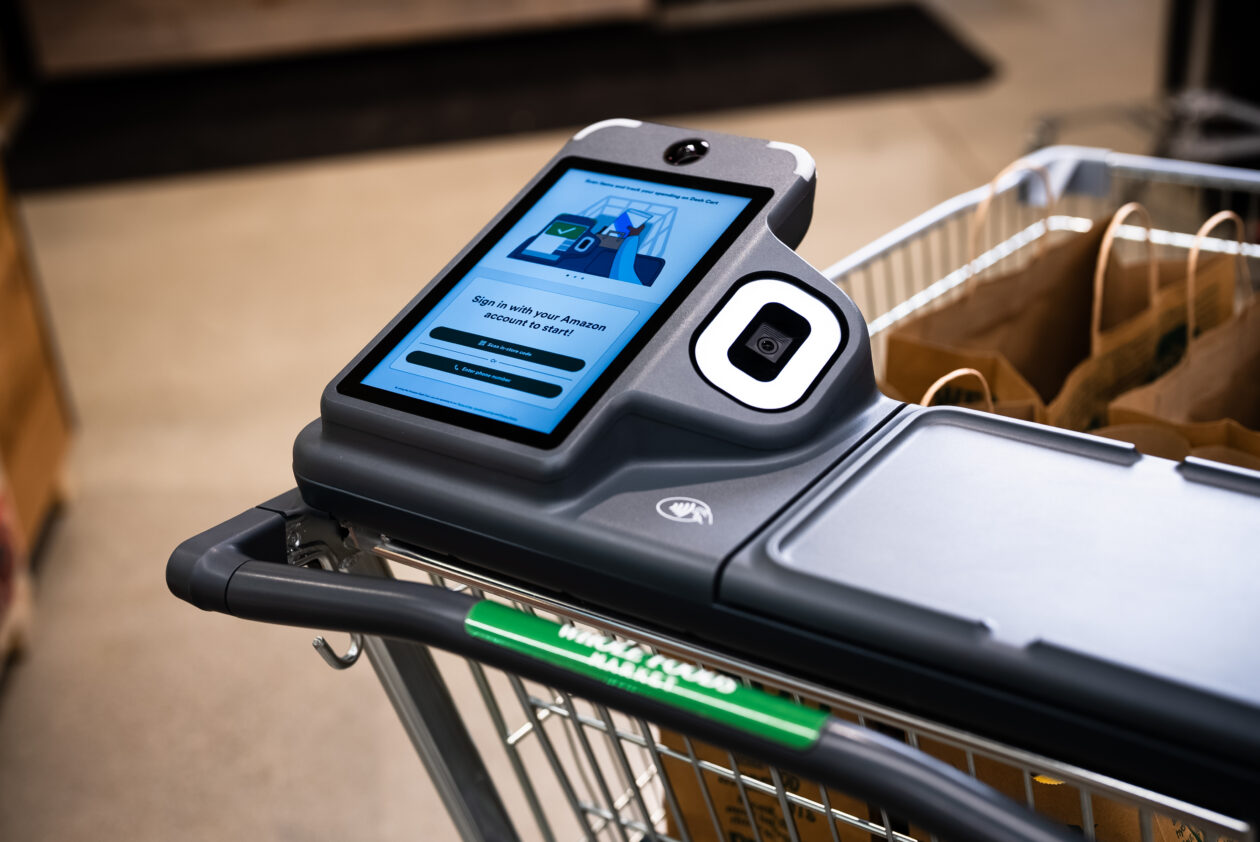
The newly unveiled Dash Cart features substantial technological and design improvements aimed at creating a more seamless grocery shopping experience. Computer vision systems have been enhanced to capture barcodes more rapidly and accurately, while improved sensors now better track the cart’s precise location within stores. Among the most practical additions is an integrated produce scale that allows shoppers to weigh fruits and vegetables directly in the cart—eliminating the need to visit separate weighing stations. These technical enhancements work alongside physical improvements: the new cart is 25% lighter than its predecessor while offering 40% more basket capacity, striking a balance between maneuverability and shopping volume. Additionally, Amazon has addressed operational challenges by implementing self-charging functionality when carts are parked, removing the previous requirement for staff to manually exchange batteries, and has expanded payment options to provide greater flexibility for shoppers.
Amazon’s rollout strategy begins with three Whole Foods Market locations, with ambitious plans to expand to dozens more stores across the United States by the close of 2026. This measured deployment represents a shift in Amazon’s approach to physical retail technology—moving from highly experimental concepts toward more practical, iterative improvements to established shopping experiences. The Dash Cart, first introduced in 2020, offered an alternative path to Amazon’s more complex “Just Walk Out” technology, which relied on extensive overhead cameras and sensor networks throughout entire stores. This pivot appears strategic, as Amazon has gradually moved away from implementing its full Just Walk Out system in larger grocery formats, suggesting a recognition that incremental innovations may provide better returns on investment while still delivering meaningful customer benefits.
Early experiences with previous Dash Cart versions revealed both promise and challenges. During GeekWire’s 2024 testing, reviewers noted a steep learning curve and occasionally cumbersome interactions, highlighting the ongoing refinement needed for such technologies. However, useful features like real-time spending tracking and Alexa shopping list integration through the cart’s built-in screen demonstrated clear value to shoppers. Amazon’s continued investment in the platform shows commitment to addressing these early pain points while enhancing the elements customers found most beneficial. The company isn’t alone in this space, however, as competitors including Instacart and Seattle-based startup Veeve have developed similar smart cart solutions, creating a competitive landscape that likely drives innovation across the category.
The evolution of the Dash Cart reflects broader shifts in Amazon’s physical retail strategy—a move from moonshot transformations toward more practical technological enhancements layered onto familiar shopping experiences. This approach aligns with other recent Amazon initiatives, such as its “store within a store” concept that uses automated micro-fulfillment systems to integrate name-brand items into Whole Foods locations. The company has also focused on creating tighter integration between fresh grocery delivery services and other Amazon.com offerings, building a more cohesive ecosystem around food shopping. These developments suggest Amazon is finding its rhythm in the grocery space after years of experimentation, working to enhance rather than completely reinvent the shopping experience.
Amazon’s substantial investment in grocery retail continues to bear fruit, with the company reporting more than $100 billion in gross sales of groceries and household essentials in 2024—a figure that notably excludes sales from both Whole Foods and Amazon Fresh. This impressive performance underscores why the company remains committed to innovations like the Dash Cart, which serve as tangible differentiators in the highly competitive grocery market. As these technologies mature and become more intuitive, they represent Amazon’s vision for the future of retail: preserving the tangible benefits of in-person shopping while eliminating friction points through thoughtful technological integration. The next-generation Dash Cart, with its enhanced features and improved usability, stands as a physical embodiment of this balanced approach to retail innovation—one that enhances the shopping experience without fundamentally altering its familiar rhythms.