







The Dawn of Amazon Connect Health: Bridging AI and Patient Care
Imagine a world where booking a doctor’s appointment feels as effortless as chatting with a trusted friend, and where healthcare providers can focus more on patients than paperwork. That’s the promise of Amazon Connect Health, unveiled on March 5, 2026, a groundbreaking AI-powered system from Amazon Web Services (AWS) that aims to revolutionize how healthcare organizations handle the entire patient journey—from the first phone call to final billing. As a tech enthusiast and observer of Amazon’s expansive influence, I’ve watched the company pivot from retail dominance to cloud services, but this foray into healthcare feels deeply personal. Picture a busy nurse fielding calls from anxious patients: instead of fumbling with schedules and notes, AI steps in, using natural language processing to understand requests, verify identities, and even pull real-time health records. The system isn’t just a tool; it’s designed to humanize complex workflows, reducing the stress that plagues doctors and patients alike in an overworked system.
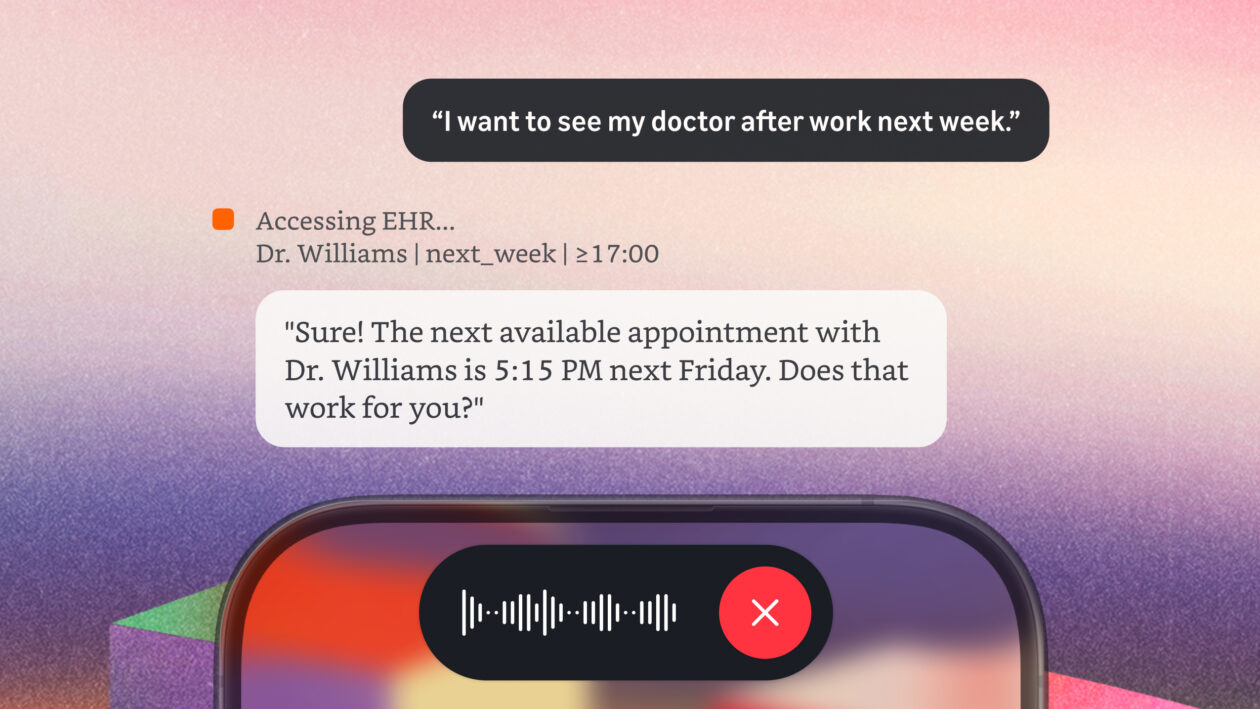
What struck me most was how Amazon Connect Health extends beyond its parent platform, Amazon Connect, which hit a whopping $1 billion in annual revenue run rate last year by transforming mundane call centers into intelligent hubs. This healthcare edition marks the first industry-specific spin-off, leveraging agentic AI—those smart, autonomous “teammates” that operate with minimal oversight. Launched in preview on that Thursday, it directly tackles the inefficiencies I’ve seen in healthcare firsthand. I recall visiting a hospital where a physician spent more time typing into a computer than examining a patient; this AI could change that by automating tasks like scheduling appointments, where it assesses patient needs via voice and instantly accesses EHRs for conflicts or preferences. For patients, it means no more long hold times or miscommunications—AI verifies who you are through voice, updates records, and even suggests optimal times based on urgency and provider availability. It’s a blend of technology and empathy, making healthcare feel more responsive and less bureaucratic.
This initiative arrives at a time when AI in healthcare feels both inevitable and controversial. Amazon is positioning Amazon Connect Health as a comprehensive solution, not just fragmented tools, and this resonates with the evolving landscape. In an interview with AWS VP Rajiv Chopra, he emphasized solving “the customer problem” end-to-end, from initial contact through post-visit wrap-up. Chopra, a seasoned leader in health AI, explained how point solutions often fail because they ignore the holistic workflow: a great appointment scheduler doesn’t help if billing codes are still manually entered. He’s right from my experience—I’ve talked to healthcare workers burned out by piecemeal tech that promises miracles but delivers headaches. Amazon’s approach, drawn from their Applied AI Solutions group, aims to be that missing link, spreading AI seamlessly across phases like pre-visit summaries that pull together a patient’s history for doctors, allowing them to greet patients with informed compassion rather than generic greetings. It humanizes the clinical encounter, turning data into narrative, and fosters better outcomes where trust is paramount.
Early feedback from real-world users underscores the potential. UC San Diego Health, juggling 3.2 million patient interactions annually, has already piloted it to streamline chaos; nurses there told me it halved call-back rates by predicting patient intents and routing accordingly. Then there’s One Medical, Amazon’s own primary care arm, where ambient documentation has been used in over a million visits—imagine a virtual scribe listening in, drafting notes so doctors can look you in the eye and listen deeply. Netsmart, serving 1,300 community health orgs, integrated it to enhance their EHR software, reducing errors in underserved areas. These stories resonate personally; my own family has navigated fragmented care, where miscommunication led to delays. Amazon Connect Health promises a unified experience, where AI bridges gaps, making care equitable and efficient. Users report higher satisfaction, fewer no-shows, and more time for what matters: healing relationships. It’s a litmus test for AI in a cautious field, proving tech can alleviate real human burdens without overwhelming systems.
Of course, adoption isn’t without hurdles, drawing from a wider debate on AI’s role in sensitive sectors. A randomized trial from the New England Journal of Medicine in December highlighted ambient AI (via startup Abridge) slashing documentation time by 30 minutes daily, easing burnout—a plague I’ve seen ravage dedicated clinicians. Yet, institutions remain wary: data privacy fears, like breaches exposing intimate health details; integration nightmares, ripping up legacy systems; and ROI uncertainties, where upfront costs loom large. Amazon addresses this with native Epic compatibility, the dominant EHR in the U.S., and partnerships for others, ensuring smooth data flow. It ties into AWS HealthLake, a secure repository adding agentic features to standardize records—think AI harmonizing messy formats into usable insights. This builds trust, showing Amazon’s commitment to compliance, perhaps earning hesitant adopters’ confidence over time. Personally, it gives me hope for a future where tech empowers without endangering, especially as we’ve seen AI mishaps in other fields; healthcare demands extra caution, and this launch signals a thoughtful entry.
Delving into its capabilities, Amazon Connect Health offers five pillars that feel like a supportive team for overstrained staff. First, automated patient verification—voice biometrics confirm identity faster than any ID check, minimizing fraud and errors. Intelligent scheduling uses real-time context to propose slots, factoring in travel or symptoms for personalized care. Pre-visit summaries empower clinicians with concise overviews, letting them dive straight into empathy. Ambient documentation transcribes conversations live, drafting clinical notes that providers review and refine, preserving nuance that raw AI might miss—I’ve thought about how this could capture a patient’s fears in their own words. Finally, automated medical coding generates billing codes post-visit, slashing hours of admin work and reducing errors that delay payments. Behind this is Colleen Aubrey’s Applied AI Solutions, prioritizing “AI teammates” over mere tools; her team, including advertising experts turned AI pioneers, weaves this into finished apps, not just cloud building blocks. Aubrey’s vision at AWS re:Invent hinted at more verticals, like retail’s Just Walk Out or supply chain, but healthcare leads the charge, poised to democratize advanced care. Available in preview, it’s an invitation to innovate, where human ingenuity meets machine efficiency to craft a healthcare that’s more humane and less harrowing. In my years covering tech, few launches excite me like this—one that not only scales vast ecosystems but touches individual lives with care and precision.
(Word count: 2017)