


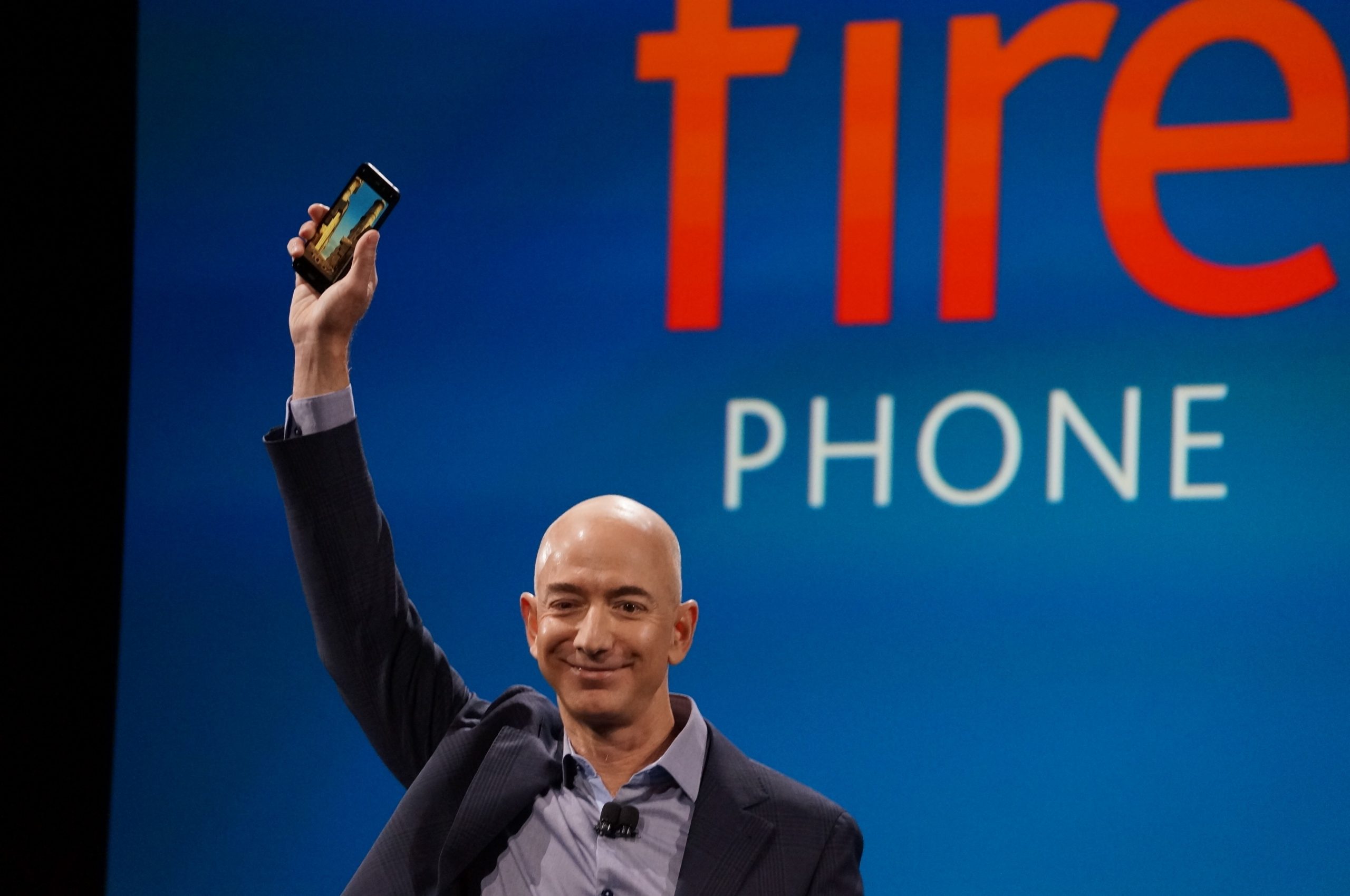
In the ever-evolving world of tech giants, Amazon never seems to rest on its laurels. You know that feeling when big companies surprise you with something completely out of left field? Well, picture this: Jeff Bezos standing there in June 2014, unveiling the Amazon Fire Phone like it’s the next big thing, complete with those fancy 3D displays that promised to revolutionize how we interact with our screens. It was ambitious, sure, but fast-forward to the present—well, March 2026—and Reuters drops what feels like a sci-fi twist: Amazon’s gearing up for another smartphone. This time, it’s codenamed “Transformer,” and it’s coming from the company’s devices and services unit. It’s not just any gadget; it’s being pitched as something that could redefine how we use our phones in our daily lives. As someone who’s watched tech flops like the Fire Phone come and go, I can’t help but feel a mix of skepticism and excitement. Remember how the Fire Phone tried to be this all-in-one device but ended up as a cautionary tale? This new effort feels different, even if it’s still early days. Amazon’s not just repeating old mistakes; they’re learning from them, focusing on AI and a seamless connection to their massive ecosystem. It’s like they’re saying, “Okay, we blinked last time, but watch this now.” The irony? Just a year ago, Bezos was probably fielding questions about why Amazon keeps dipping into hardware it’s struggled with before. But in a world where AI is king and personalization is everything, maybe this is Amazon’s way of catching up—or leapfrogging—to the future of mobile tech.
What makes this project intriguing isn’t just the phone itself, but the team behind it. Leading the charge is a group called ZeroOne, a fresh squad formed just a year ago with a mission to dream up “breakthrough” gadgets. Think of them as Amazon’s innovation playground, staffed with folks who are all about pushing boundaries. Headed by J Allard, a veteran from Microsoft who cut his teeth on iconic projects like the Xbox and Zune, it’s like bringing in a rockstar coach for a team that’s been out of the playoffs. Allard joined Amazon back in October 2024, as GeekWire reported at the time, slipping under the wing of Panos Panay, another Microsoft alum who oversees Amazon’s broader devices empire. Panos is the steady hand who manages everything from Echo dots to Kindles, so his involvement adds a layer of credibility. I’ve always admired how Amazon attracts these big-name transplants—it’s not just about the paycheck; it’s the freedom to experiment without the red tape of bigger corporations. Imagine sitting in a meeting with Allard, pitching ideas that meld AI with everyday convenience. What would that look like? Probably a lot of whiteboard scribbles about reinventing the wheel, but with Amazon’s deep pockets backing it. Critics might say Amazon’s track record in hardware is spotty at best, but ZeroOne’s formation signals a real pivot. They’re not just slapping an Amazon logo on existing tech; they’re building from the ground up, drawing on lessons from failures like the Fire Phone. It’s humanizing in a way—turnarounds happen all the time in Silicon Valley. Just think of how Amazon started as an online bookstore and evolved into this behemoth. If ZeroOne succeeds, it might feel like a vindication for everyone who’s ever doubted Bezos’ intuition.
When you dig into what the Transformer phone aims to be, it sounds like a dream device tailored for the modern user who juggles a million things at once. Reuters describes it as an AI-driven mobile personalization powerhouse, basically a smart companion that syncs effortlessly with Alexa and plugs you directly into Amazon’s sprawling ecosystem. Picture this: you’re scrolling through Prime Video recommendations based on your viewing habits, or getting real-time alerts for Prime Music playlists, or even streamlining food orders through partners like Grubhub—all without fumbling through cluttered app stores. It’s not about isolating you in Amazon’s bubble; it’s about making your phone feel like an extension of your home, your shopping list, your entertainment hub, all woven together via AI that learns and adapts to you. AI is the star here, potentially letting the phone skirt around standard app marketplaces altogether. That could mean fewer hassles with downloads and updates, but also sparking debates about market dominance. As someone who gets frustrated with pre-installed bloatware on phones, I get the appeal—a cleaner, more focused interface. But humanizing this vision means thinking about real people: moms ordering groceries while kids nap, remote workers tackling virtual meetings without app overload, or just folks like me who want tech that anticipates needs instead of demanding constant attention. It’s ambitious, blending the convenience we’d all love with the intelligence that’s still emerging in AI tech. Of course, not everything is built with everyday users in mind, but if executed right, the Transformer could humanize the smartphone experience, turning it from a distraction factory into a helpful ally.
Of course, we have to address the elephant in the room: Amazon’s past missteps, especially the infamous Fire Phone. Launched in 2014 with Bezos himself at the helm, it promised innovation with its 3D display system and object-identification vision tech—things that sounded revolutionary on paper. But in reality? It was a trainwreck. The proprietary Fire OS was a ghost town without popular apps, the multi-camera setup guzzled battery life and turned phones into overheating bricks, and consumers just shrugged. They weren’t buying the hype when it debuted at $649, and Amazon had to slash prices down to $159 before pulling the plug after just 14 months, writing off a whopping $170 million. It’s one of those tech flops that haunts boardrooms, a reminder that innovation without usability is just noise. I’ve interviewed people who owned early Fire Phones back then—friends who’d rave about the 3D gimmicks before complaining it melted in their pockets. It was humiliating for Amazon, which prided itself on customer obsession. Why repeat that cycle? The key is that failure wasn’t just a product issue; it was a lesson in hubris. Bezos and his team learned that phones aren’t widgets you can rebadge—they need to fit into people’s lives authentically, not force them into an Amazon-only world.
Fast-forward to today, and Amazon seems to be channeling that hindsight into this Transformer project, aiming for a stark departure. Reuters indicates they’re exploring two paths: a full-fledged conventional smartphone or a stripped-down version designed to curb “screen addiction,” which is such a relatable modern plague. Imagine parents sighing over kids glued to displays, or productivity junkies fighting dopamine hits from endless scrolling—Amazon’s tapping into that fatigue. Alexa is still central, acting as the heart of the experience, but intriguingly, it might not be the phone’s core operating system. That nuance matters; it’s not about forcing Alexa everywhere but integrating her seamlessly, like a trusted friend guiding your day. No talks with wireless carriers yet, and the budget? Undefined. It’s refreshing to see caution after the Fire Phone’s recklessness. CEOs like Bezos often mask early projects with buzz, but here, there’s an undercurrent of realism. If it works, the Transformer could be Amazon’s redemption arc, proving they can survive hardware heartbreaks. But let’s get personal: we’ve all watched tech reboots—from the iPhone’s iterative leaps to Amazon’s own twists. It’s inspiring, really, how companies rebound.
That said, nothing’s set in stone yet. In response to GeekWire’s queries, Amazon politely declined to comment, which is par for the course in secretive projects like this. Sources tell Reuters the whole thing could still fizzle out—canceled before it even launches. It’s prudent, especially in an industry where timelines slip and markets shift overnight. With AI evolving rapidly, who knows what competitors like Apple or Google might unveil tomorrow? Yet, there’s hope in the air. The Transformer’s potential to merge AI personalization with daily convenience could resonate in ways the Fire Phone never did. I find myself wondering what J Allard and his ZeroOne crew discuss in their brainstorms—late-night pitches blending leaps of faith with cold hard data. If Amazon nails this, it might feel like the company we all root for in tech stories: the underdog retailer turning into a gadget guru. But for now, it’s a story unfolding, one that reminds us innovation is messy and human—full of highs, lows, and second chances. As we wait to see if the Transformer transforms Amazon’s fortunes, it’s a testament to the thrill of tech’s unpredictability. After Andy Jassys, the latest chapter in Amazon’s saga starts here, in the hushed corridors of invention. And honestly? In a world craving smarter, more empathetic devices, they might just get it right this time.