




The Shaking Ground of Amazon’s Retail Empire
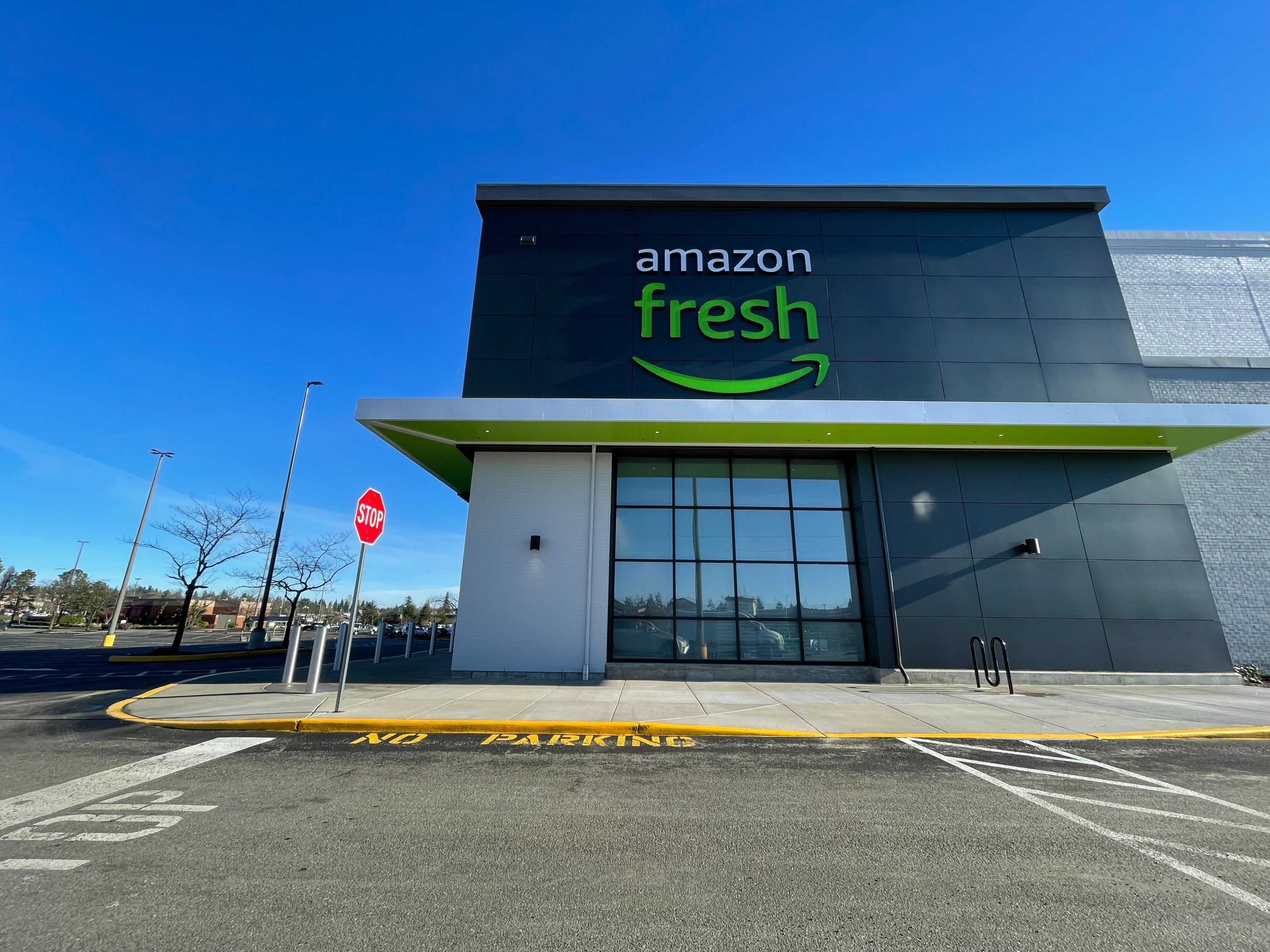
Imagine waking up one January morning in 2026 to the news that the innovative convenience stores you’ve shopped at, with their high-tech self-checkout and quick grocery grabs, are vanishing. For hundreds of workers in Washington state, that’s the reality as Amazon announced the closure of all 57 Amazon Fresh stores and 15 Amazon Go locations nationwide. This decision isn’t just about shuttering doors—it’s sending shockwaves through the retail workforce, with approximately 400 layoffs slated for April 28. Filed with the state’s Employment Security Department, this move hits hard in the Seattle region, where vibrant communities like Seattle, Bellevue, Mill Creek, and Puyallup will see 11 facilities close their doors. These retail employees, the everyday heroes stocking shelves and smiling at customers, are now facing an uncertain future. It’s a human story of disruption in a company that’s synonymous with innovation, where tech giants pivot faster than anyone can keep up. People mobilized years ago to bring fresh foods to tables without the hassle, but now, in a rapidly evolving market, Amazon is streamlining its physical footprint to focus on what’s working best. As someone who’s grown up watching Amazon reinvent retail, it feels personal—like the end of a local hangout spot that made errands feel effortless.
Diving deeper into the numbers, the layoffs span across these 11 sites, impacting a swath of dedicated workers who’ve poured their hearts into making these stores hum. From the bustling Amazon Fresh in Seattle’s Aurora Avenue North, where 146 staff members keep things running smoothly, to the South Jackson Street store with 92 employees who handle everything from produce rotas to customer inquiries, the cuts are widespread. Bellevue’s Factoria Square Mall location loses 82 team members, a significant blow to what was a key anchor in the mall’s ecosystem. Smaller Amazon Go spots in downtown Seattle and Bellevue round out the list, with teams ranging from just 4 to 17 people per site—tiny crews that somehow managed massive efficiency. Each number represents a life, a family counting on that paycheck, perhaps single parents or young graduates who thought they’d build a career with the e-commerce behemoth. In the broader Seattle tech scene, which has seen booms and busts, this feels like another chapter in the volatile ride. Historically, Amazon Go opened with fanfare in 2018 as a futuristic model, no cashiers needed, just apps and sensors. Now, as consumer habits shift toward digital comforts and delivery dominance, these physical havens are relics of a bolder experiment. It’s heart-wrenching for the workers who clocked in early to keep the magic alive, and one can’t help but reflect on how global supply chains and inflation have shifted priorities, making traditional stores less viable.
Separate from this retail shakeup is Amazon’s corporate overhaul, announced the same week, slashing about 16,000 jobs worldwide. While the state layoffs target frontline retail roles, the global cuts affect everything from software engineers to executives in offices far from Seattle’s rainy streets. This dual prong of workforce reduction paints a picture of a company recalibrating in a post-pandemic world, where e-commerce giants like Amazon navigate sluggish growth and economic pressures. For the affected employees, it’s a double whammy—excitement from 2020’s holiday surges has given way to belt-tightening as inflation bites and competition from rivals like Walmart intensifies. Think of the retail associates who’ve been with Amazon for years: some started as seasonal hires, dreaming of climbing the corporate ladder, only to see their worlds upended. It’s a reminder that even titans aren’t immune to the tides of change, much like how tech booms in the dot-com era led to busts. Psychologically, this creates anxiety for those in the know, fostering a sense of instability that trickles down to teams. Families are disrupted, retirement plans paused, and that quintessential American dream of steady work feels frayed. As an observer, you can’t help but empathize with the human cost—laid-off workers who might struggle to find new gigs in a tight job market.
Now, focusing on the silver lining from Amazon’s perspective, the company isn’t abandoning retail altogether; it’s just reshaping it. With Whole Foods emerging as the sole physical brand survivor, Amazon plans to expand it aggressively, opening over 100 new stores in the coming years. Acquired in 2017, Whole Foods has become the crown jewel, offering premium groceries in a way that resonates with health-conscious consumers. Simultaneously, the Amazon Fresh name lives on digitally, ramping up delivery services with same-day perishables hitting more than 2,300 U.S. cities. This shift from bricks-and-mortar experiments to delivery-first mirrors broader trends, where convenience trumps in-person shopping amid busy lifestyles. For the public, it means losing a quirky, tech-forward way to grab a latte or smoothie, but gaining speedier home deliveries. Workers who might feel abandoned should note that Amazon’s pivoting to win in a delivery-dominated future, driven by data showing online orders surging. Yet, the human element lingers—what of the communities around these closed stores? Neighborhoods relied on them for quick stops and job opportunities, and without that, there’s a void. Stories abound of retail workers adapting, perhaps starting food trucks or joining delivery teams, turning hardship into hustle. It’s inspiring, really—a testament to resilience in the face of corporate evolution.
Zooming in on the affected roles, Amazon’s closure targets a mix of frontline positions unique to these stores. Retail store associates, the backbone keeping shelves stocked and customers assisted, will be hardest hit. Food production associates, who prepared fresh meals or baked goods right there, add a crafty layer. Loss prevention specialists guarded against theft with their eagle eyes, and store managers orchestrated the daily chaos. Amazon’s generous 90-day notice period, surpassing the 60-day legal minimum, offers breathing room for planning—whether that’s job hunting or retraining. Employees opting for internal transfers dodge the layoff bullet, a lifeline in uncertain times. This approach humanizes the process; it’s not a cold cut, but a chance for dignity. Recall past layoffs in tech titans like Google or Meta, where similar supports helped workers bounce back. For these Amazonites, career counseling or severance packages could open new doors, perhaps in growing fields like AI logistics or sustainable grocery chains. The narrative extends to family impacts—spouses adjusting budgets, kids worried about stability—underscoring how economic shifts ripple outward. Yet, amid the gloom, there’s optimism; laid-off tech workers often thrive in startups, leveraging Amazon’s skills in innovation. This closure narrative isn’t just about loss; it’s a pivot toward personal reinvention.
Finally, the largest ripples from these closures batter three Amazon Fresh giants, etching deep marks on Seattle’s economic landscape. The Aurora Avenue North store, employing 146, was a beacon in north Seattle, drawing locals for organic finds. Its shutdown echoes through the community, where employees formed close-knit teams amid long shifts. Similarly, the South Jackson Street location, with 92 workers, served urban dwellers with urban flair, blending tech and food in a vibrant mix. Bellevue’s Factoria Square Mall store, shedding 82 team members, anchored a suburban mall scene, now diminished. One poignant anecdote might be of a long-time associate who watched the store’s first customer walk in years ago, now facing an empty storefront. Smaller Amazon Go sites in Seattle and Bellevue, though fewer in number, contribute to the overall heartache, their minimal staffs highlighting inefficiency in scaled-down operations. Overall, this is a sobering chapter for Amazon’s adventurous retail foray—a risky bet that paid off initially but faltered against larger trends. For workers, it’s a call to adaptability, perhaps joining the homeland delivery fleet or exploring entrepreneurial ventures. In the grand tapestry of corporate America, where giants like Amazon dictate shifts, this story reminds us of the human toll: real people navigating disruption with hopes pinned on brighter horizons. As society eyes sustainable futures, innovations like this pivot could inspire better, worker-centric strategies, turning potential tragedy into triumph.