




The Dawn of a New Era on Lake Washington
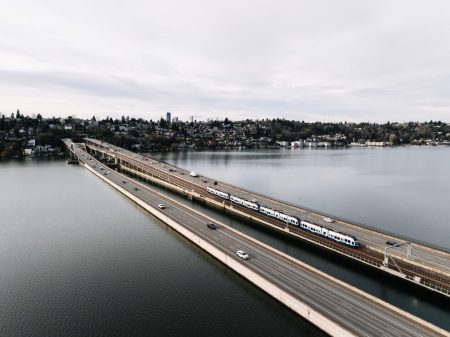
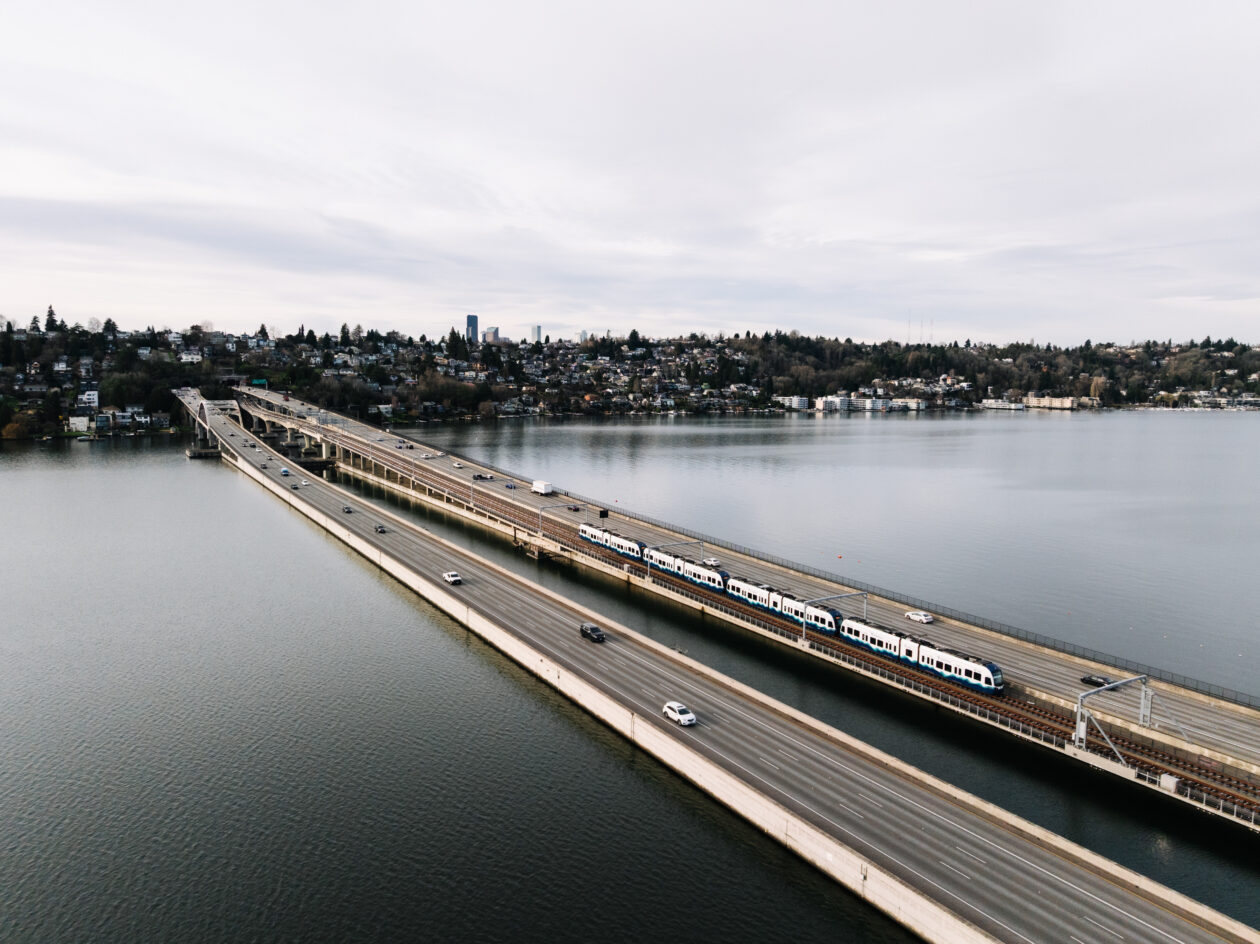
Imagine waking up in the bustling heart of Seattle, sipping coffee while gazing at the iconic floating bridge that stretches like a silver ribbon over Lake Washington. For decades, that bridge has been a lifeline for commuters slugging through traffic to the Eastside suburbs, where corporate giants like Amazon and Microsoft have built their empires. But on a crisp March morning in 2026, something transformative happened: Sound Transit’s Link light rail finally chugged into history, crossing the lake and promising to rewrite the rules of daily life for thousands. I, Kurt Schlosser, have covered tech and innovation in the Pacific Northwest for years, and let me tell you, this wasn’t just another infrastructure project—it felt like a leap into the future. As someone who’s battled the I-90 crawl myself, watching the first trains glide over the water stirred a wave of excitement I haven’t felt since the first smartphones hit the shelves. The region was ready for change, and with companies like Amazon and Microsoft rallying behind it, you could sense the collective sigh of relief. This Crosslake Connection wasn’t merely about faster commutes; it was about reconnecting communities torn apart by suburban sprawl and endless highway woes. Sunday’s grand opening drew crowds like a rock concert, people craning their necks to catch glimpses of the sleek trains emerging from the mist-shrouded lake. It was as if the city had tossed a party for its own rebirth, reminding us that progress can feel poetic—those floating rails dancing on the water, a modern-day engineering ballet. Riding the waves of innovation, this line symbolized more than trains; it embodied hope for a greener, more efficient Northwest, where tech dreams and daily realities collide beautifully.
Amazon’s Vision: Bridging Worlds in 30 Minutes
Diving deeper into the buzz, Amazon’s voice stood out like a beacon, personifying the human side of this tech-driven triumph. David Zapolsky, the chief global affairs and legal officer who’s been at the company’s helm for so many pivotal moments, poured his heart into a LinkedIn video that felt more like a proud dad bragging about his kid’s graduation than a corporate exec. “I’ve lived here 32 years,” he said, his eyes lighting up with genuine warmth, “and I’m incredibly excited to see this thing come to life.” Picture it: Zapolsky, with his executive poise softened by local roots, comparing the old commute horrors to a revelation. Amazon’s got 50,000 corporate warriors in Seattle and a booming 15,000 in Bellevue, numbers that paint a picture of an ever-growing horde of innovators itching to connect. The “game-changer,” as he called it, is that 30-minute train hop from downtown Seattle to downtown Bellevue—no more bumper-to-bumper rage on I-90, no more wasted hours that could be spent coding or collaborating. For me, hearing Zapolsky speak evoked memories of my own cross-lake journeys, where the bridge’s gentle sway once felt like a penance for living in such a dynamic region. Now, it’s a gateway; employees can literally “hop on a train” and arrive refreshed, fostering the kind of spontaneous brainstorming sessions that fuel breakthroughs. Amazon’s embrace isn’t just pragmatic—it’s passionate, mirroring the company’s ethos of disrupting the ordinary. As workers flood the new stations, envision their faces brightening with newfound freedom, bags slung over shoulders as they discuss projects while the lake breeze whispers innovation. This isn’t corporate speak; it’s a human promise, making accessibility a reality for residents and job-seekers alike, turning barriers into bridges and isolation into interaction.
Microsoft’s Grizzled Roots in the Rail Revolution
But let’s rewind the clock a bit, because Microsoft’s tale in this saga adds layers of depth, like an epic novel unfolding over generations. Brad Smith, the seasoned president whose career parallels the company’s rise, didn’t just cheer from the sidelines—he wove Microsoft’s DNA into the project’s fabric. In a thoughtful blog post, Smith reflected on how his company “embraced this vision early on, more than two decades ago,” understanding its ripple effects on employees and communities. I can almost see him as the wise mentor, recalling how Microsoft kicked things off in 2002 by donating 10 acres of its prized headquarters campus—valued at a cool $8.7 million—for what became the Redmond Technology Station. It was a bold move, a selfless gift from a tech titan learning to prioritize public good alongside private gain. Smith even spiced up his digital proclamations with a whimsical video, starring those goofy Seattle Mariners mascots, the racing salmon, zipping toward T-Mobile Park. It was playful yet profound, with Smith himself “along for the ride” over the lake, grinning like a kid on a rollercoaster. For someone like me who’s watched Microsoft evolve from garage-band vibes to global power, this feels intimately personal—those early acres paved the way for a station now humming with potential. Around 50,000 Microsoft workers call the region home, and Smith’s story humanizes the tech giants, proving they’re not faceless corporations but neighbors invested in shared horizons. Imagine Redmond, once a tech enclave, now seamlessly linked to Seattle’s pulse, employees hopping trains to catch games or collaborate on breakthroughs. Microsoft’s involvement since 2002 isn’t just history; it’s a testament to foresight, a reminder that true innovation demands community ties, transforming isolated campuses into vibrant ecosystems.
A Star-Studded Ribbon-Cutting Bash
The grand opening wasn’t a subdued affair; it was a full-throttle celebration that captured the region’s spirit, much like a Fourth of July blockbuster with added civic flair. Crowds poured into the newly unveiled Judkins Park station in Seattle’s Central District, where the air buzzed with anticipation—a mix of tech enthusiasts, families, and officials soaking in the moment. Gov. Bob Ferguson, flanked by Sens. Patty Murray and Maria Cantwell, along with Seattle Mayor Katie Wilson, led the ribbon-cutting, their faces beaming with pride under a sky that seemed unusually benevolent. It was a tableau of unity, politicians from all stripes converging like old friends at a reunion, symbolizing how this project transcended politics to unite Washingtonians. As someone who’s attended more ribbon-cuttings than I can count, this one felt electric, the cheers echoing off the concrete as the first trains whistled past. People milled about, snapping photos and sharing stories, turning the station into a temporary paradise of possibility. Balloons floated like aspirations, and food stalls wafted aromas that reminded us of life’s simple joys amid the grandeur. This wasn’t just about rails; it was about reconnection, a nod to the thousands who’ve advocated for better transit through years of debates and delays. Walking among the throngs, I felt the warmth of collective triumph, as if we were all part of this floating-bridge miracle, bridging divides one story at a time.
Riding the Wave: Projections and Everyday Impact
As the day unfolded, the real magic emerged in the projections, painting a future where commutes feel like a breeze rather than a burden. Sound Transit anticipates the fully integrated 2 Line will ferry 43,000 to 52,000 daily riders in 2026, a staggering figure that could redefine urban flow. Trains every 10 minutes from 5 a.m. to midnight, seven days a week—it’s reliability redefined, ensuring no one’s left stranded on the rush-hour tide. For me, a lifelong commuter, envisioning those numbers comes with a pang of envy; the old me would’ve killed for such fluidity. This segment, the final 7-mile leg of the Crosslake Connection, isn’t isolated—it’s the pinnacle of integration, linking disparate worlds into one cohesive journey. Monday morning’s commute will be the ultimate litmus test, as workers on both shores dip their toes into this new paradigm. Will they trade car keys for ticket stubs, embracing eco-friendly rides and reclaiming time for lives beyond the wheel? The projections hint at yes, with environmental wins like reduced emissions and less traffic snarling the city. But it’s the human element that intrigues—families using the service for leisurely outings, students accessing education without the hassle, and employers fostering teams unbound by geography. This isn’t speculative; it’s a revolution in motion, where efficiency meets empathy, turning data into destiny. As the sun sets on that inaugural weekend, the lake’s trains shimmer like promises kept, inviting everyone to “try it out” and rediscover the joy of effortless connection.
Reflections on a Transformative Future
Looking back from the edge of this milestone, my thoughts drift to what it truly means for the soul of the Northwest—a region where nature’s majesty meets human ambition. This Link light rail over Lake Washington isn’t merely infrastructure; it’s a lifeline for dreams, echoing the voices of Zapolsky and Smith who see transformation in transit. For 32 years, Zapolsky’s excitement mirrors my own fascination with the area’s evolution, where each innovation chips away at isolation. Microsoft’s decades-old donation feels like a karmic investment, their funnel-cake video a playful reminder that big tech can be delightfully human. The ribbon-cutting gatherings, with their starry cast, underscore community resilience, proving that collective effort births marvels. With projections soaring toward 52,000 riders, Monday’s test run feels like destiny’s whisper—will it ease the burdens we’ve borne, freeing us for creativity, connection, and care? As an observer, I can’t help but feel hopeful, for this bridge isn’t just physical; it’s emotional, pulling us closer in an era of division. Riders will gain minutes, perhaps hours, to nurture passions, mend families, or chase ambitions. The lake, once a commuter chasm, now sparkles with possibility, a testament to progress let’s celebrate. In this humanized tale of rails and resolve, the Crosslake Connection invites us all to hop aboard, not just for speed, but for the stories we’ll tell along the way—stories of a region reborn, one train ride at a time.