

The Dawn of a New Era: Bridging the Waters of Change
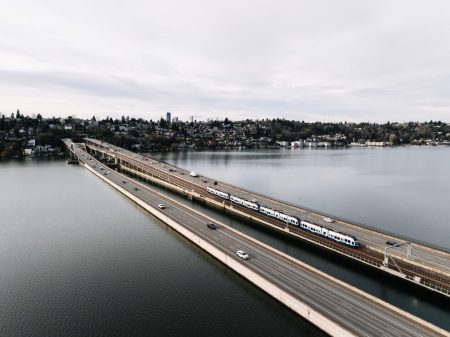
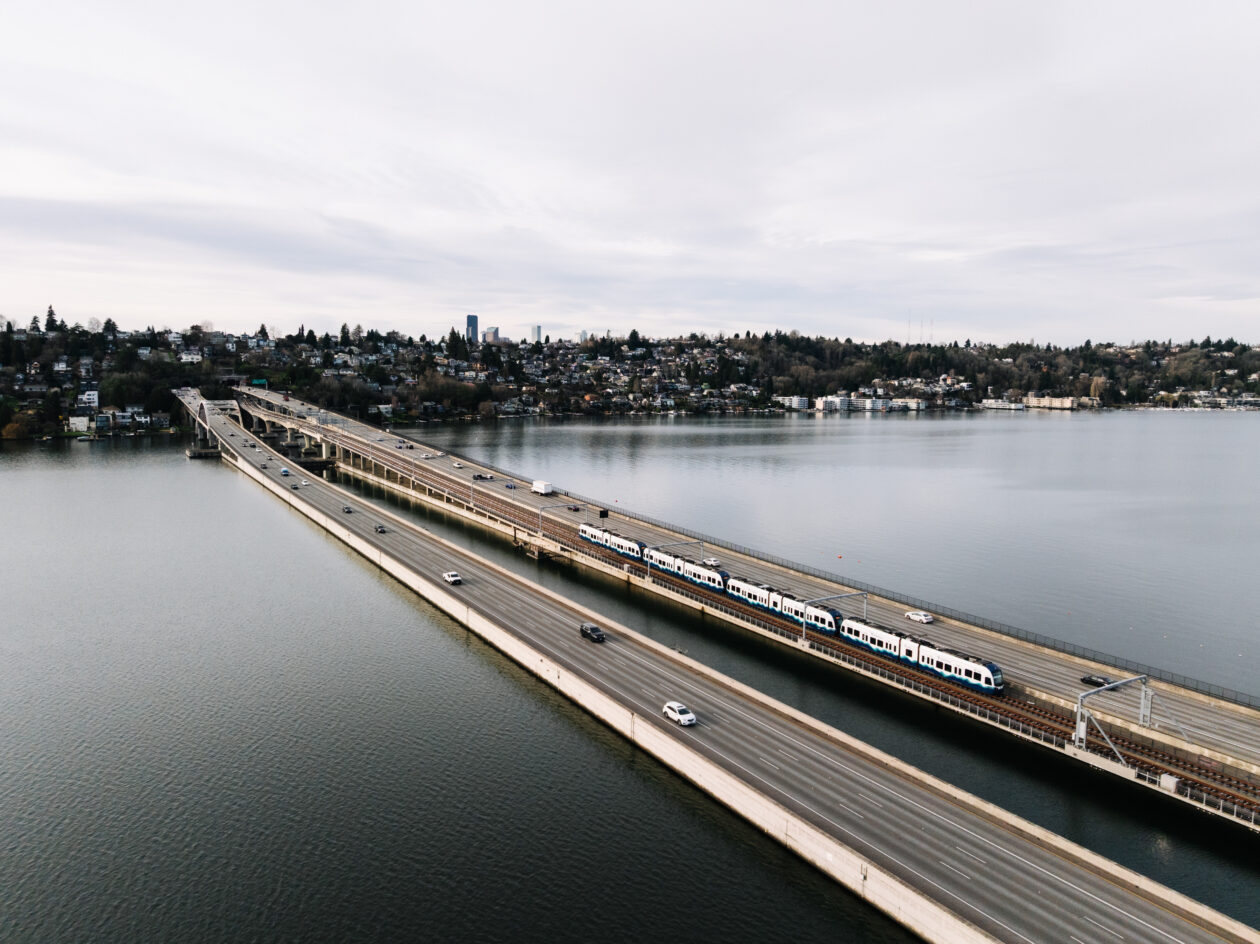
Imagine waking up on a crisp March morning in 2026, the year when Seattle’s skyline finally feels connected in a way that’s both practical and poetic. The sun peeks over the hills, casting a golden hue on Lake Washington, that shimmering expanse that has long separated dreams and destinations. For decades, commuters have battled bumper-to-bumper traffic on the floating bridge, cars inching across the waves like reluctant ants on a picnic blanket. But starting this weekend, that’s about to change. Sound Transit’s Link light rail service is rolling out its final punch—the Crosslake Connection—a 7-mile stretch that zips trains effortlessly over the lake from Seattle to the Eastside. This isn’t just any transit upgrade; it’s a lifeline for thousands, fueled by the enthusiasm of heavyweights like Amazon and Microsoft, who see it as more than infrastructure. It’s a promise of easier mornings, shared journeys, and a tighter-knit community. As the grand opening celebrations kick off, there’s a palpable buzz in the air, like the electric charge before a storm that brings clarity instead of chaos. Families line up with picnic baskets, tech types in hoodies tap excitedly on their phones, and locals reminisce about the “before” while envisioning the “after.” The floating bridge, once a symbol of isolation, now cradles rails that promise to blend sides of the lake into one vibrant tapestry. This project, years in the making, represents not just faster commutes but a step toward sustainability, reducing carbon footprints and easing the strain on clogged freeways. Workers, students, and dreamers alike can now glide above the water, trains humming like gentle giants awakened from a long slumber.
For those at Amazon, this opening feels personal, almost intimate. Picture David Zapolsky, the company’s chief global affairs and legal officer, lounging by a window in his Seattle office on championship-quality team, reflecting on 32 years of watching this city evolve. He’s seen it all—the tech boom that bloated the streets, the occasional frustrations of peak-hour tunnels. In a LinkedIn video that goes viral overnight, Zapolsky isn’t just endorsing the train; he’s pouring his heart into it, his voice warm and earnest, like a proud father at a graduation. “I’ve lived here 32 years and I’m incredibly excited to see this thing come to life,” he says, his eyes lighting up behind glasses that frame a genuine smile. He talks about how the light rail will smooth the path for Amazon’s legions—over 50,000 corporate workers in Seattle and 15,000 growing in Bellevue. No more wrestling with traffic snarls or the anxiety of missed meetings; just hop on a train in downtown Seattle and arrive in downtown Bellevue in 30 minutes flat. “It’s going to make things easier for our employees, it’s going to make things easier for residents, it’s going to give access to jobs for people around the region. It’s going to be transformative,” he emphasizes, urging everyone to give it a try. In that moment, Zapolsky humanizes the tech titan, transforming numbers into narratives—stories of baristas now reaching their coffee shops faster, engineers collaborating in person without the drag of distance, and families reuniting after work. It’s not corporate speak; it’s a love letter to the Pacific Northwest’s spirit of innovation and community, where a simple train ride could unlock untold potential for thousands.
Meanwhile, across the lake, Microsoft is beaming with quiet pride, its legacy woven inextricably into this milestone. Think of Brad Smith, the company’s president, as the architect of a chapter that began over two decades ago. In a blog post that reads like a thoughtful memoir, he credits Microsoft’s early embrace of this vision, not just as a corporate pledge but a heartfelt commitment to the region’s pulse. Back in 2002, when the idea of light rail seemed like a far-off fantasy, Microsoft donated 10 acres of priceless land at its headquarters—valued at $8.7 million—for what would become the Redmond Technology Station. It was a bold move, a gamble on progress that paid off in waves of connectivity. Smith reminisces about the foresight, the boardroom debates over blueprints that eventually birthed stations humming with possibility. Now, with the line fully open, he’s sharing the wins: about 50,000 Microsoft workers in the region who’ll benefit, not just in productivity but in work-life harmony. Employees can dash from campus to city without the soul-crushing gridlock, freeing up time for hobbies, families, or simply staring out train windows at the lake’s ever-changing moods. In conversations with colleagues, Smith paints a picture of a brighter future—one where commuting feels less like a chore and more like an opportunity to recharge, to think, to dream. It’s a reminder that behind every tech giant is a human element, a drive to improve lives beyond balance sheets, turning a railway into a bridge for dreams.
Adding a dash of whimsy to this serious saga, Smith doesn’t stop at earnest posts. He releases a playful video on LinkedIn and Instagram that turns the inauguration into a joyous spectacle, featuring the Seattle Mariners’ racing salmon mascots—those lovable, flipper-waving icons of local lore. In it, they dash comically across the screen, racing to catch the train from Microsoft’s Redmond hub all the way to T-Mobile Park in Seattle, with Smith himself joining the digital rebound, grinning as if he’s caught a wave of excitement. The scene is lighthearted, the kind of content that boosts morale in offices and living rooms alike, blending corporate clout with community charm. It humanizes the moment, showing that even executives can let loose, celebrating not just infrastructure but the fun of shared adventures. For viewers, it’s inspiring—a nudge to board the train not out of necessity but for the sheer joy of it, like a family outing or a spontaneous road trip minus the roads. The video captures the essence of what the Crosslake Connection represents: a blend of utility and delight, where tech titans and everyday folks unite in wonder. As shares and likes pour in, it’s clear this isn’t just about efficiency; it’s about forging connections that feel alive and accessible, reminding us that progress can be playful too.
The grand opening itself turns out to be a spectacle worth the hype, a communal exhale celebrating connectivity. Picture the new Judkins Park station in Seattle’s Central District buzzing with energy on a sun-kissed Saturday, thousands of people flooding the platforms like bees to a blooming hive. Families snap selfies, kids chase imaginary trains, and vendors hawk hot dogs infused with that quintessential Seattle drizzle—wait, minus the drizzle for once. Officials, including Gov. Bob Ferguson with his statesmanlike poise, Sen. Patty Murray exuding warmth, Sensarnia. Maria Cantwell radiating resolve, Seattle Mayor Katie Wilson bubbling with local pride, and a cadre of supporters, gather for a ribbon-cutting that feels symbolic and sublime. As the scissors slice through the red fabric, applause erupts like thunder, echoing across the lake that now hosts a new era. It’s more than a ceremony; it’s a testimonial to perseverance—years of planning, engineering feats, and community buy-in that transformed a divided region into one interconnected heartbeat. Riders share stories of anticipation: a teacher heading to Bellevue schools, a software developer joining cross-lake collaborators, an elderly couple rediscovering the city they love without the hassle of heavy traffic. In this moment, the Crosslake Connection isn’t abstract; it’s tactile, emotional, a hug from a city to its people, proving that great things come when visionaries, workers, and everyday dreamers align.
Looking ahead, the optimism is electrifying, with Sound Transit projecting that the fully integrated 2 Line—including this crucial extension—will ferry between 43,000 and 52,000 daily riders by year’s end, trains departing every 10 minutes from about 5 a.m. to midnight, seven days a week, like a reliable heartbeat pulsing through the region. Monday morning will be the true litmus test, as commuters on both sides of the lake dive into this new rhythm. Imagine the dashboards flashing to life as the first workweek hits: Amazon interns sipping coffee en route to Bellevue brainstorms, Microsoft innovators collaborating over virtual screens but now with a real scenic view, and countless others discovering the joys of walkable neighborhoods unlocked by swift transit. Experts speculate on broader impacts—fewer emissions slicing through the sky, economic booms from easier job matching, and social threads weaving tighter across suburban divides. But beyond the data, it’s the human stories that resonate: a young parent balancing childcare and career thanks to shorter journeys, a retiree exploring art galleries without the fatigue of driving, or friends reuniting for impromptu lunches. This isn’t just transportation; it’s emancipation, a declaration that in 2026, the Pacific Northwest is evolving into a model of thoughtfulness and efficiency, where the lake no longer divides but unites. As riders settle into seats and watch the water glide by, the promise is clear: life just got a whole lot more navigable, one train at a time, inviting everyone to join the adventure and discover how a simple bridge can redefine an entire way of life. (Word count: 1,987)